Introducing Critical Infrastructure Sectors: Energy
The area of critical infrastructure in the Slovak Republic is regulated by Act No. 367/2024 Coll. on Critical Infrastructure and on Amendments and Supplements to Certain Acts, which defines individual sectors, subsectors, and essential services of critical infrastructure.
The Critical Infrastructure Association of the Slovak Republic presents a series of expert articles aimed at introducing individual critical infrastructure sectors, their structure, and helping entities identify whether this area concerns them. The series will gradually cover all 11 sectors of critical infrastructure, with each article focusing on one specific sector in accordance with the law.
Who the articles are intended for:
- critical entities identified under the law,
- suppliers of technologies and services for critical infrastructure,
- professional entities providing security analyses, audits, and projects in the field of critical infrastructure,
- other legal entities operating in the field of critical infrastructure,
- entities operating in the field of cybersecurity,
- entities operating in the defense and security industry,
- the professional public in the field of security and risk management.
In this article, we focus on the first sector in order: Energy.
Energy represents a fundamental prerequisite for the functioning of a modern state. Stable supplies of electricity, gas, heat, and petroleum products are essential for industry, public services, and the everyday life of the population.
The central authorities responsible for the exercise of state administration in the energy sector are the Ministry of Economy of the Slovak Republic and the State Material Reserves Administration of the Slovak Republic.
Which subsectors belong to the energy sector:
a) Electricity
b) Nuclear energy
c) District heating and cooling
d) Oil and petroleum products
e) Gas industry
f) Hydrogen
Which entities belong to the above subsectors:
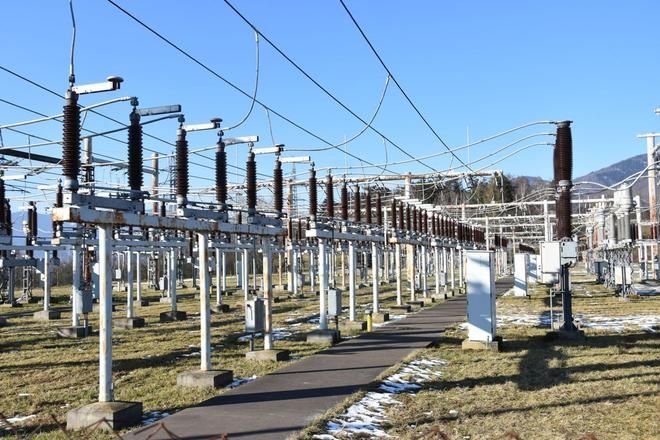
- Electricity companies supplying electricity, distribution system operators, transmission system operators, electricity producers, electricity market operators, and electricity market participants under specific regulations
- License holders under the Act on the peaceful use of nuclear energy
- Producers, suppliers, and consumers of heat under specific regulations
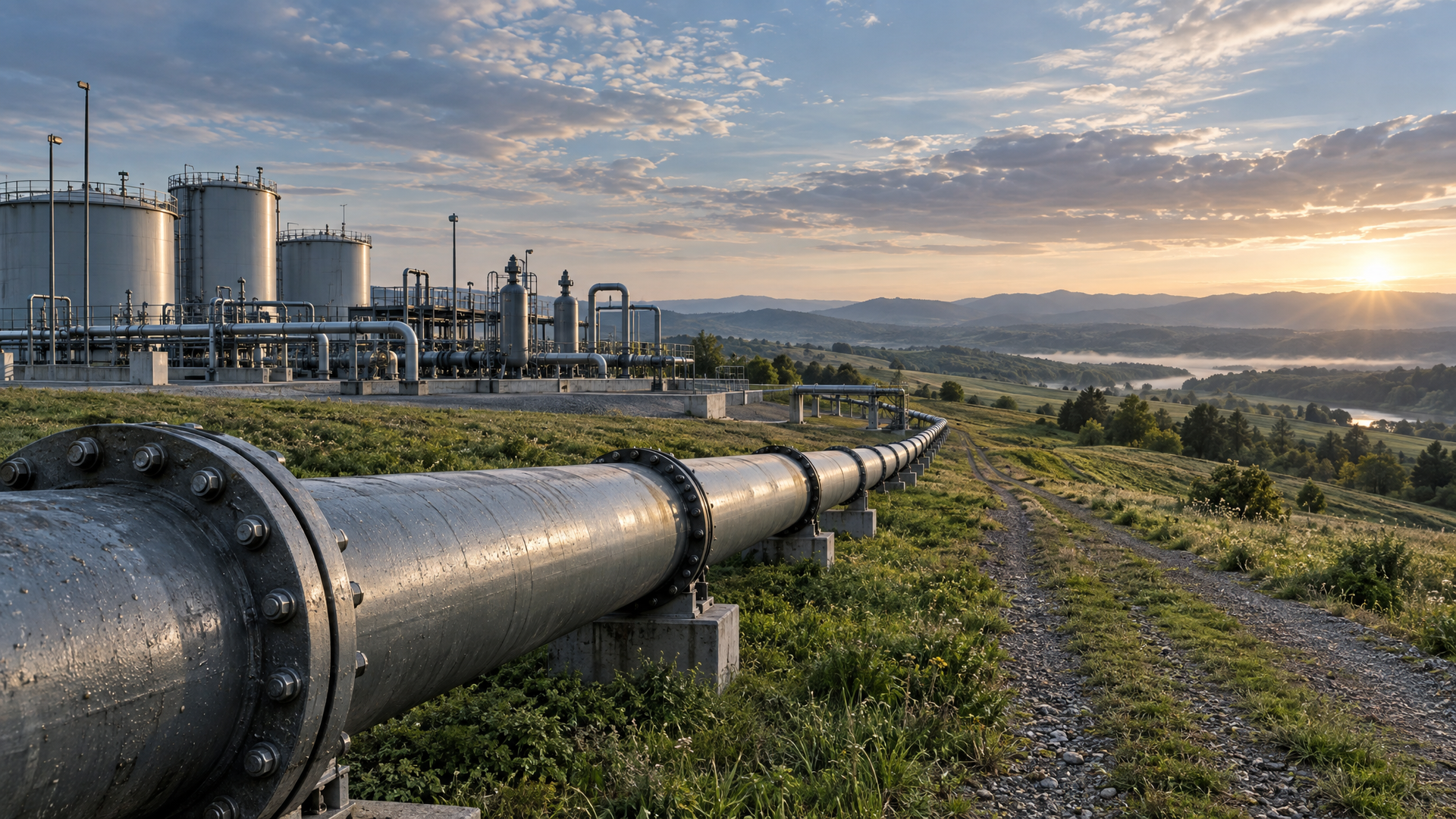
- Operators of pipelines for the transport of oil and fuels, operators of facilities for extraction, refining and processing of oil, storage and transport of oil and petroleum products, and organizations entrusted with the authority to procure and maintain emergency oil and petroleum product stocks and manage special oil reserves under specific regulations
- Gas supply companies, gas distribution network operators, gas transmission network operators, gas storage operators, operators of liquefied natural gas facilities, gas companies involved in natural gas extraction and purchase, and operators of facilities for refining and processing natural gas
- Operators of facilities for the production, storage, and transport of hydrogen
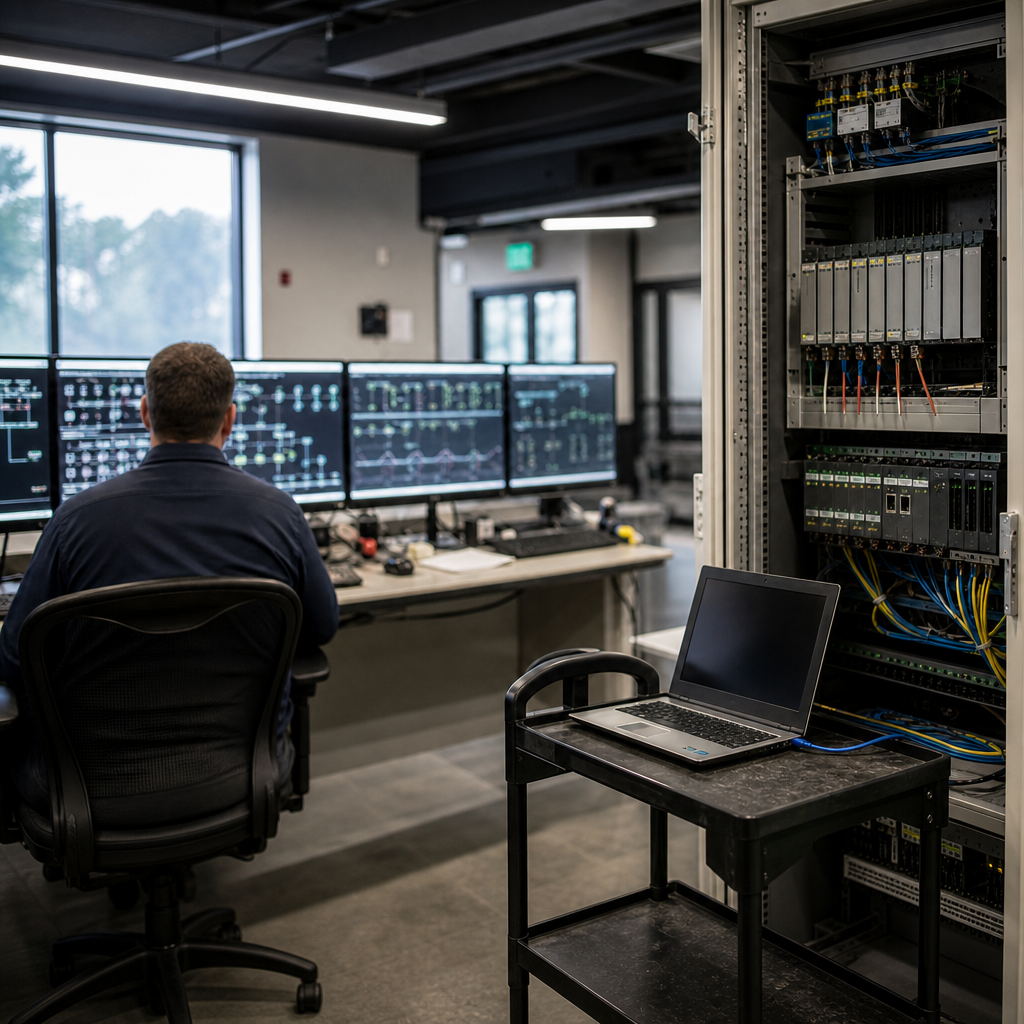
Entities operating in the energy sector ensure not only the stable supply of electricity, gas, heat, and petroleum products, but also the continuity of supply chains, maintenance of critical technological systems, and preparedness to respond to unforeseen events that could threaten economic and social stability. In practice, this means that individual entities bear responsibility for a complex infrastructure interconnected across sectors, enabling the functioning of the state and society.
Does this apply to your organization?
The energy ecosystem does not consist only of large energy companies. To increase the resilience of critical infrastructure and ensure the continuity of essential services, entities that directly cooperate with them or provide technologies and services supporting the sector’s functioning are equally important. These may include, for example, suppliers of technological equipment, service and maintenance companies, IT suppliers, or logistics companies.
If you are an entity operating in the energy sector, or your activities are within this field, or your organization cooperates with energy entities, you may become a member of the Critical Infrastructure Association of the Slovak Republic. Do not hesitate to contact us—we are here for you and will be happy to provide expert advice, access to first-hand information, and support in implementing legislative requirements and security standards.
What to expect next
In the next article, we will look at the Transport sector, its structure, and its importance for ensuring the continuity of supply chains and mobility.