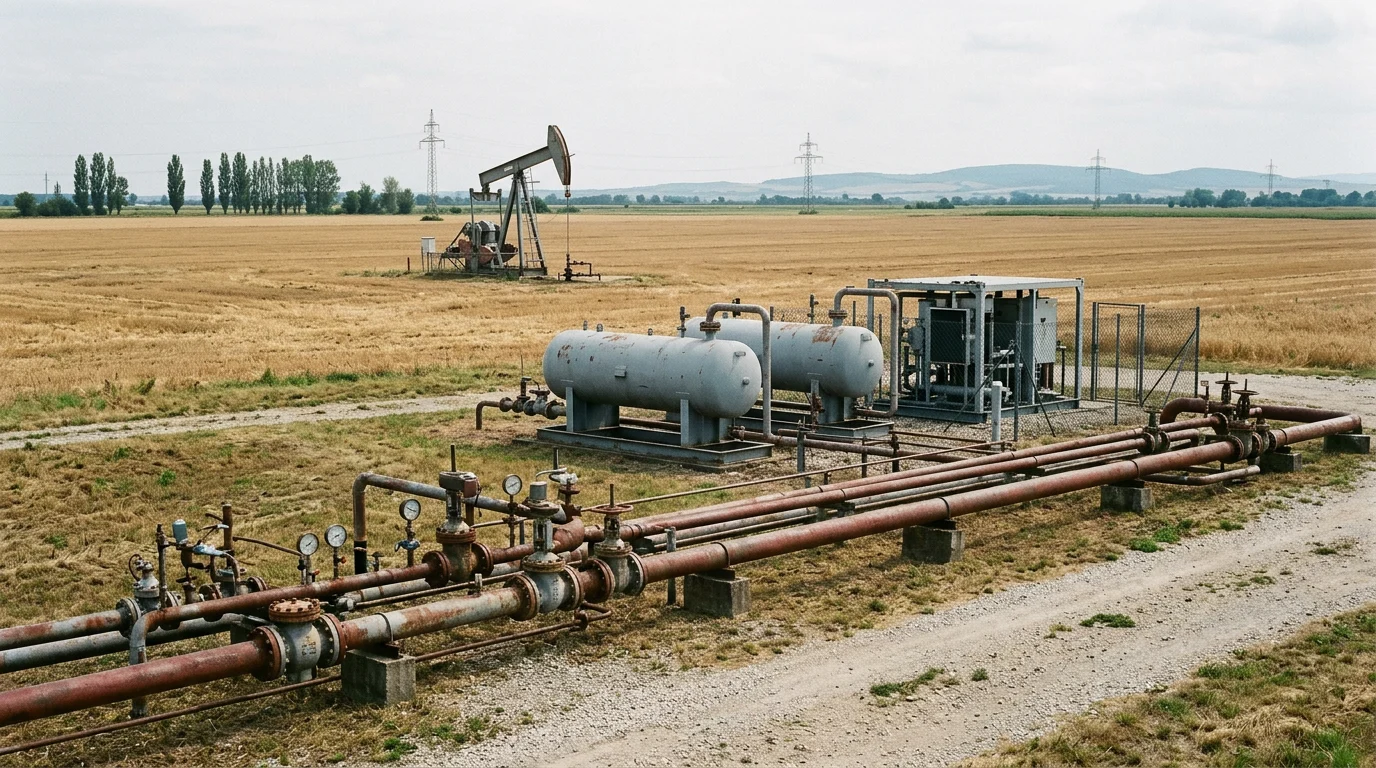
The biggest security risk may not be inside your company: supply chains and post-quantum cryptography are changing the rules for protecting critical infrastructure

21. mája 2026

Until recently, the security of critical infrastructure was associated mainly with the protection of physical facilities, energy sources, or state systems. Today, however, it is increasingly clear that the real vulnerability often lies outside the organisation itself: in its supply chains, technology partners, and external services.

Modern critical infrastructure is no longer made up of isolated entities. It is an interconnected ecosystem in which energy companies depend on cloud solutions, hospitals on IT vendors and telecommunications operators, banks on software platforms, and industrial enterprises on logistics and data services.


This leads to a fundamental fact: the security of every organisation today is only as strong as the weakest partner in its chain.


The supply chain as the fastest-growing attack vector against critical infrastructure


Supply chain attacks are among the most significant trends in the field of cyber threats. Attackers are increasingly choosing not to target the end organisation directly, but instead use less-protected suppliers as their entry point. In practice, this may involve a single compromised software update, misused remote access, or an insufficiently secured integration interface. The consequence, however, may not be an incident affecting just one company, but a cascading effect across the entire sector.


For many companies, a fundamental realisation is that even if they do not formally fall under critical infrastructure regulation, they may be an inseparable part of it – and therefore part of its risk profile.


“Security is no longer an individual attribute of a single organisation, but a shared attribute of the entire ecosystem of partners and suppliers,” points out Tibor Straka, President of the Critical Infrastructure Association of the Slovak Republic.


Post-quantum cryptography: the challenge of the coming decade


Another fundamental, yet still under-discussed topic enters into this dynamic: the rise of quantum technologies and the need to transition to post-quantum cryptography.


Although quantum computers are not yet in mass commercial deployment, the expert community has long been warning about the strategic risk that is already emerging in the area of data protection. The phenomenon known as “harvest now, decrypt later” means that encrypted data can be collected today with the aim of decrypting it in the future, once quantum systems reach sufficient capability.


This fundamentally changes the perspective on the long-term confidentiality of information. Sensitive contracts, technical documentation, strategic communications, or operational data of infrastructure systems may be compromised with a time lag that many organisations are not yet prepared to acknowledge. Post-quantum cryptography is therefore not an academic topic of the future, but is gradually becoming part of the real security strategies of states and technology leaders. It is a topic whose importance will grow significantly in the coming years, and which therefore requires systematic attention already today.


From individual security to shared resilience


The growing interconnection of threats shows that the resilience of critical infrastructure can no longer be viewed in isolation. Risks are not limited to individual organisations but naturally spread across supply, technology, and operational links. This development is changing the very nature of security: from internal risk management it is becoming a question of the connections and dependencies among the individual actors of critical infrastructure.


Critical infrastructure is an interconnected system, whether we like it or not. A single weak point can affect another part of the system, and the consequences may be fundamental,” adds Tibor Straka, President of the Critical Infrastructure Association of the Slovak Republic.


Cooperation within the critical infrastructure ecosystem


In this context, a need is taking shape in Slovakia for a coordinated approach to building the resilience of critical infrastructure, connecting expert, technological, and security capacities. This role is taken on by the Critical Infrastructure Association of the Slovak Republic, which provides not only expert backing, but also a practical space for addressing the real challenges that arise at the intersection of technology, security, and the operation of critical systems.


At a time when risks are shifting across supply chains and technological changes such as the rise of post-quantum cryptography are altering the basic assumptions of digital security, the importance of a coordinated approach to the protection of critical infrastructure is naturally growing. Let us pay attention to it. It concerns us all.
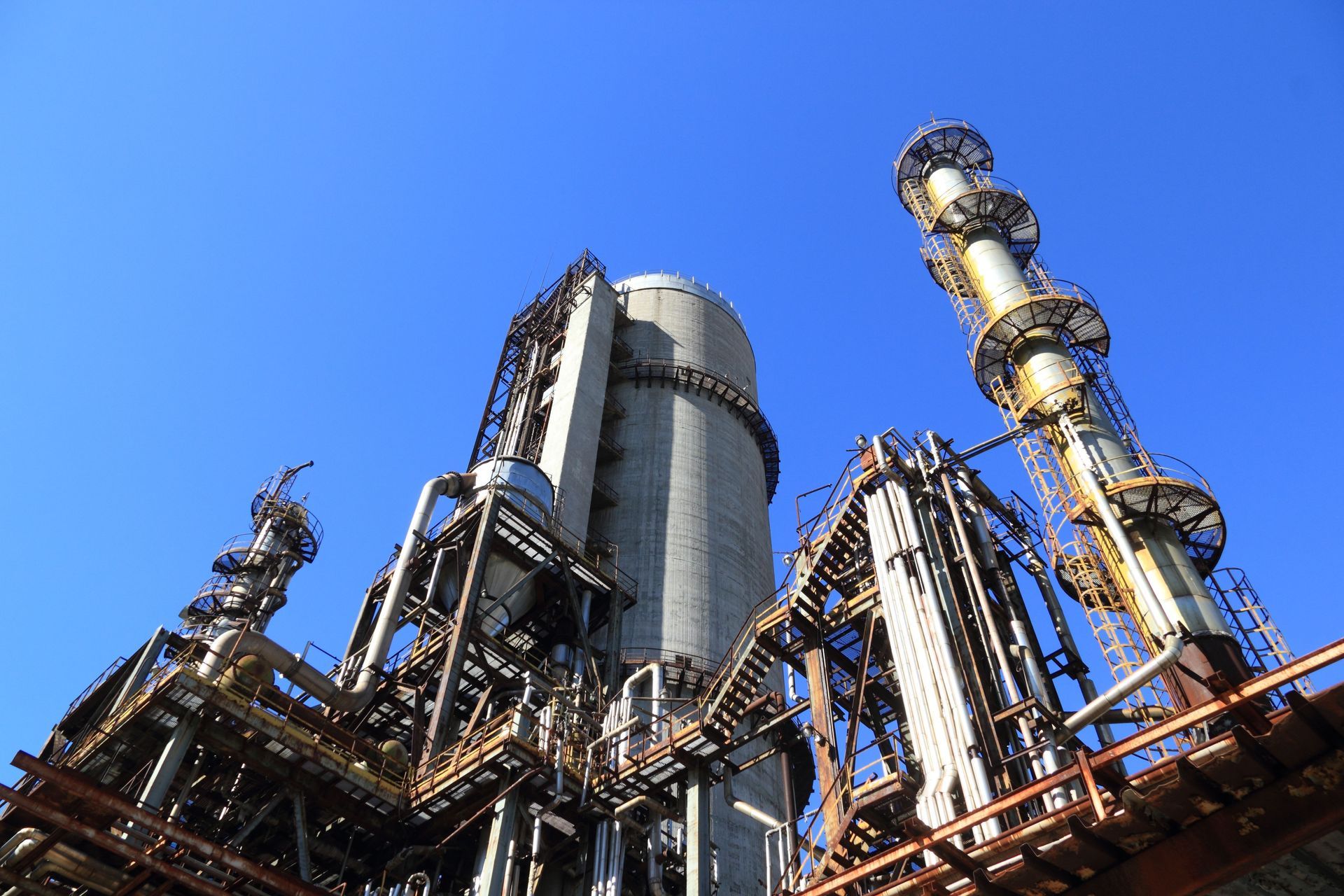

21. mája 2026
Ešte donedávna sa bezpečnosť kritickej infraštruktúry spájala najmä s ochranou fyzických objektov, energetických zdrojov či štátnych systémov. Dnes však čoraz jasnejšie vidíme, že skutočná zraniteľnosť sa často nachádza mimo samotnej organizácie: v jej dodávateľských reťazcoch, technologických partneroch a externých službách.
18. mája 2026
In January 2024, an employee of a financial firm in Hong Kong executed a transfer worth 25 million US dollars. He did so after a video conference with the chief financial officer and colleagues from headquarters that appeared entirely authentic. Yet on the call he was the only real person. The other participants were deepfake replicas generated by generative artificial intelligence on the basis of publicly available recordings. This case, documented by the Hong Kong police, did not announce the arrival of a new threat. It announced that the threat is already here and is operating in production mode.
18. mája 2026
V januári 2024 zamestnanec finančnej spoločnosti v Hongkongu uskutočnil prevod v hodnote 25 miliónov amerických dolárov. Urobil tak po videokonferencii s finančným riaditeľom a kolegami z centrály, ktorá pôsobila úplne autenticky. Na konferencii však bol jediný skutočný človek on sám. Ostatní účastníci boli deepfake repliky vygenerované generatívnou umelou inteligenciou na základe verejne dostupných záznamov. Tento prípad, zdokumentovaný hongkonskou políciou, neoznámil príchod novej hrozby. Oznámil, že hrozba je už tu a funguje v produkčnom režime.
13. mája 2026
The Critical Infrastructure Association of the Slovak Republic is proud to present the success of two of its members, Decent Cybersecurity s. r. o. and FREQUENTIS Solutions & Services s. r. o., which have jointly secured funding for the four-year research and development project COSMOS-SECURE. The project, with total eligible expenditures of EUR 4,144,273.37 and a requested non-repayable financial contribution of EUR 2,981,048.65, focuses on an area that, until recently, belonged mainly to major space agencies: secure voice communication between ground stations, satellites, and spacecraft crews in an era when quantum computers are beginning to challenge the existing foundations of cryptography.
13. mája 2026
Asociácia kritickej infraštruktúry Slovenskej republiky s hrdosťou predstavuje úspech dvoch svojich členov, spoločností Decent Cybersecurity s. r. o. a FREQUENTIS Solutions & Services s. r. o., ktoré spoločne získali financovanie pre štvorročný výskumno-vývojový projekt COSMOS-SECURE. Projekt s celkovými oprávnenými výdavkami vo výške 4 144 273,37 € a požadovanou výškou nenávratného finančného príspevku 2 981 048,65 € sa zameriava na to, čo bolo donedávna doménou veľkých vesmírnych agentúr: bezpečnú hlasovú komunikáciu medzi pozemnými strediskami, satelitmi a posádkami vesmírnych lodí v ére, keď kvantové počítače začínajú spochybňovať existujúce kryptografické základy.
12. mája 2026
The Slovak Republic is in the final phase of a process that is fundamentally changing the approach to the protection of critical infrastructure. In accordance with Act No. 367/2024 Coll. on Critical Infrastructure, the list of entities that will be officially identified as critical for the functioning of the state is to be completed in July 2026. This step represents one of the most important milestones in the implementation of the new regulatory framework, the aim of which is to increase the resilience of key systems to crises, cyber threats and service outages. A new framework of responsibility Inclusion among the critical entities will not be of a merely formal nature. For the organisations concerned, it will mean the introduction of precisely defined obligations in the area of risk management, security measures, incident management and the very continuity of the provision of essential services within the meaning of the Act. For many entities, this represents a fundamental change in the approach to security, which will require systematic preparation even before the actual inclusion in the list. Growing interest of companies in the regulation Already in this period it is evident that potentially affected entities are beginning to intensively follow the development of the legislation and of the implementing rules being prepared. The reason is the need to set up internal processes in good time, so that the transition to the new regime can take place without major operational complications. The growing demanding nature of the requirements is at the same time increasing the demand for expert guidance and methodological support. The role of the Critical Infrastructure Association of the Slovak Republic In this context, the Critical Infrastructure Association of the Slovak Republic (AKI SR) plays a significant role, as it has long been creating a professional platform for cooperation between the state sector, regulators and operators of essential services across all sectors of critical infrastructure, such as for example energy, transport, healthcare or digital infrastructure. As Tibor Straka, President of AKI SR, states: “The process of identifying critical entities is not merely a legislative obligation. It is the moment that determines how resilient the state will be in real crisis situations.” The Association points out in this connection that the period before the final inclusion in the list is the most important one for organisations from the point of view of preparation and adaptation. Room for timely preparation Companies that may be part of the list of critical entities currently have a unique opportunity to prepare for the new obligations systematically and well in advance. In this area, AKI SR provides expert support, methodological guidance and a platform for the sharing of experience between the individual sectors. Cooperation as the foundation of resilience The implementation of the new system for the protection of critical infrastructure will be successful only if it is built on close cooperation between the public and the private sector. In this respect, AKI SR is developing a systematic dialogue with the central bodies of state administration that exercise state administration in the individual segments of critical infrastructure. With many of them, the Association has concluded memoranda of cooperation, which makes possible a more effective interconnection of expert capacities, the exchange of information and coordination in addressing key security topics. In the process, AKI SR thus acts as a natural communication and expert bridge between the regulator and the entities of critical infrastructure, while helping to connect legislative requirements with their practical implementation in the individual sectors. A new stage in the protection of critical systems The finalisation of the list of critical entities in July 2026 represents a fundamental step in the modernisation of the system for strengthening the resilience of critical infrastructure in Slovakia. The new legislative framework sets clearer rules, but at the same time significantly raises the demands placed on the preparedness of the organisations concerned. The outcome of the entire process will depend on how well it is possible to align the regulation with the reality of the operation of critical entities.
12. mája 2026
Slovenská republika sa nachádza v záverečnej fáze procesu, ktorý zásadne mení prístup k ochrane kritickej infraštruktúry. V súlade so zákonom č. 367/2024 Z. z. o kritickej infraštruktúre má byť v júli 2026 dokončený zoznam subjektov, ktoré budú oficiálne identifikované ako kritické pre fungovanie štátu. Tento krok predstavuje jeden z najdôležitejších míľnikov implementácie nového regulačného rámca, ktorý má za cieľ zvýšiť odolnosť kľúčových systémov voči krízam, kybernetickým hrozbám a výpadkom služieb. Nový rámec zodpovednosti Zaradenie medzi kritické subjekty nebude mať len formálny charakter. Pre dotknuté organizácie bude znamenať zavedenie presne definovaných povinností v oblasti riadenia rizík, bezpečnostných opatrení, incident manažmentu a samotnej kontinuity poskytovania základných služieb v zmysle zákona. Pre mnohé subjekty ide o zásadnú zmenu prístupu k bezpečnosti, ktorá si bude vyžadovať systematickú prípravu ešte pred samotným zaradením do zoznamu. Zvyšujúci sa záujem firiem o reguláciu Už v tomto období je zrejmé, že potenciálne dotknuté subjekty začínajú intenzívne sledovať vývoj legislatívy a pripravovaných vykonávacích pravidiel. Dôvodom je potreba včas nastaviť interné procesy tak, aby prechod do nového režimu prebehol bez zásadných prevádzkových komplikácií. Rastúca náročnosť požiadaviek zároveň zvyšuje dopyt po odbornom vedení a metodickej podpore. Úloha Asociácie kritickej infraštruktúry SR V tomto kontexte zohráva významnú rolu Asociácia kritickej infraštruktúry Slovenskej republiky (AKI SR) , ktorá dlhodobo vytvára odbornú platformu pre spoluprácu medzi štátnym sektorom, regulátormi a prevádzkovateľmi základných služieb naprieč všetkými sektormi kritickej infraštruktúry, ako je napríklad energetika, doprava, zdravotníctvo či digitálna infraštruktúra. Ako uvádza prezident AKI SR Tibor Straka: „Proces identifikácie kritických subjektov nie je len legislatívna povinnosť. Je to moment, ktorý určuje, ako odolný bude štát v reálnych krízových situáciách.“ Asociácia v tejto súvislosti upozorňuje, že obdobie pred finálnym zaradením do zoznamu je pre organizácie najdôležitejšie z hľadiska prípravy a adaptácie. Priestor na včasnú prípravu Firmy, ktoré môžu byť súčasťou zoznamu kritických subjektov, majú v súčasnosti jedinečnú príležitosť pripraviť sa na nové povinnosti systematicky a s dostatočným predstihom. AKI SR v tejto oblasti poskytuje odbornú podporu, metodické usmernenia a platformu na zdieľanie skúseností medzi jednotlivými sektormi. Spolupráca ako základ odolnosti Implementácia nového systému ochrany kritickej infraštruktúry bude úspešná len vtedy, ak bude postavená na úzkej spolupráci medzi verejným a súkromným sektorom. V tomto smere AKI SR rozvíja systematický dialóg s ústrednými orgánmi štátnej správy, ktoré vykonávajú štátnu správu na jednotlivých úsekoch kritickej infraštruktúry. S mnohými z nich má asociácia uzatvorené memorandá o spolupráci, čo umožňuje efektívnejšie prepájanie odborných kapacít, výmenu informácií a koordináciu pri riešení kľúčových bezpečnostných tém. AKI SR tak v procese vystupuje ako prirodzený komunikačný a odborný most medzi regulátorom a subjektami kritickej infraštruktúry, pričom pomáha prepájať legislatívne požiadavky s ich praktickou implementáciou v jednotlivých sektoroch. Nová etapa ochrany kritických systémov  Finalizácia zoznamu kritických subjektov v júli 2026 predstavuje zásadný krok v modernizácii systému zvyšovania odolnosti kritickej infraštruktúry na Slovensku. Nový legislatívny rámec nastavuje jasnejšie pravidlá, ale zároveň výrazne zvyšuje nároky na pripravenosť dotknutých organizácií. Výsledok celého procesu bude závisieť od toho, ako dobre sa podarí zosúladiť reguláciu s realitou prevádzky kritických subjektov.
11. mája 2026
In August 2023, something happened on the Polish railways that until then had belonged to the realm of scenarios, not reality. Unknown actors abused the radio system for emergency stopping (radio-stop) and transmitted a signal that brought more than 20 trains to a halt in various regions of the country. The attack required no access to digital systems and no sophisticated malware. A radio transmitter and knowledge of publicly available tones were enough. It was a demonstration of why rail transport ranks among the most complex categories of critical infrastructure. It brings together older analogue and radio technology with contemporary IT and OT systems, and each of these layers has its own vulnerabilities. 
11. mája 2026
V auguste 2023 sa na poľskej železnici udialo niečo, čo dovtedy patrilo do oblasti scenárov, nie reality. Neznámi aktéri zneužili rádiový systém núdzového zastavenia (radio-stop) a vyslali signál, ktorý zastavil viac ako 20 vlakov v rôznych regiónoch krajiny. Útok nepotreboval prístup do digitálnych systémov ani sofistikovaný malvér. Stačil rádiový vysielač a znalosť verejne dostupných tónov. Bola to ukážka, prečo železničná doprava patrí medzi najkomplexnejšie kategórie kritickej infraštruktúry. Spája sa v nej staršia analógová a rádiová technika so súčasnými IT a OT systémami a každá z týchto vrstiev má vlastné zraniteľnosti. 
6. mája 2026
Roughly 99 % of the world's intercontinental digital communication does not travel through satellites. It travels through a network of approximately 600 submarine fibre-optic cables with a combined length of 1.4 million kilometres, lying on the floor of the world's oceans. Through these cables flow more than 10 trillion US dollars in financial transactions every day, the bulk of email and cloud traffic, and almost all international internet traffic. They are the physical rope on which the digital economy hangs.