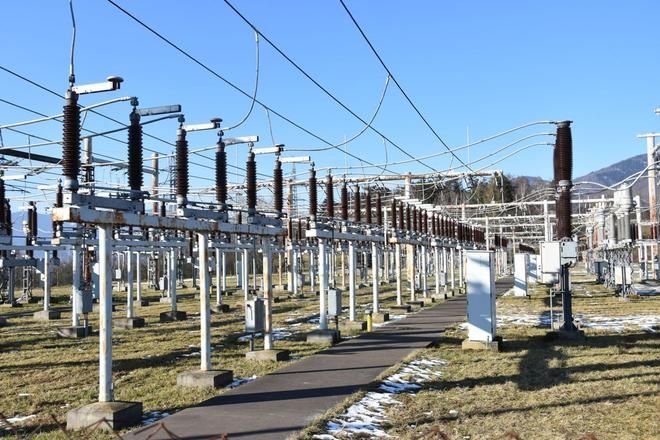
July 2026 will decide: Slovakia identifies the list of critical entities

12. mája 2026

The Slovak Republic is in the final phase of a process that is fundamentally changing the approach to the protection of critical infrastructure. In accordance with Act No. 367/2024 Coll. on Critical Infrastructure, the list of entities that will be officially identified as critical for the functioning of the state is to be completed in July 2026.


This step represents one of the most important milestones in the implementation of the new regulatory framework, the aim of which is to increase the resilience of key systems to crises, cyber threats and service outages.


A new framework of responsibility


Inclusion among the critical entities will not be of a merely formal nature. For the organisations concerned, it will mean the introduction of precisely defined obligations in the area of risk management, security measures, incident management and the very continuity of the provision of essential services within the meaning of the Act.


For many entities, this represents a fundamental change in the approach to security, which will require systematic preparation even before the actual inclusion in the list.


Growing interest of companies in the regulation


Already in this period it is evident that potentially affected entities are beginning to intensively follow the development of the legislation and of the implementing rules being prepared. The reason is the need to set up internal processes in good time, so that the transition to the new regime can take place without major operational complications. The growing demanding nature of the requirements is at the same time increasing the demand for expert guidance and methodological support.


The role of the Critical Infrastructure Association of the Slovak Republic


In this context, the Critical Infrastructure Association of the Slovak Republic (AKI SR) plays a significant role, as it has long been creating a professional platform for cooperation between the state sector, regulators and operators of essential services across all sectors of critical infrastructure, such as for example energy, transport, healthcare or digital infrastructure.


As Tibor Straka, President of AKI SR, states:

“The process of identifying critical entities is not merely a legislative obligation. It is the moment that determines how resilient the state will be in real crisis situations.”


The Association points out in this connection that the period before the final inclusion in the list is the most important one for organisations from the point of view of preparation and adaptation.


Room for timely preparation


Companies that may be part of the list of critical entities currently have a unique opportunity to prepare for the new obligations systematically and well in advance. In this area, AKI SR provides expert support, methodological guidance and a platform for the sharing of experience between the individual sectors.


Cooperation as the foundation of resilience


The implementation of the new system for the protection of critical infrastructure will be successful only if it is built on close cooperation between the public and the private sector. In this respect, AKI SR is developing a systematic dialogue with the central bodies of state administration that exercise state administration in the individual segments of critical infrastructure. With many of them, the Association has concluded memoranda of cooperation, which makes possible a more effective interconnection of expert capacities, the exchange of information and coordination in addressing key security topics.


In the process, AKI SR thus acts as a natural communication and expert bridge between the regulator and the entities of critical infrastructure, while helping to connect legislative requirements with their practical implementation in the individual sectors.


A new stage in the protection of critical systems


The finalisation of the list of critical entities in July 2026 represents a fundamental step in the modernisation of the system for strengthening the resilience of critical infrastructure in Slovakia. The new legislative framework sets clearer rules, but at the same time significantly raises the demands placed on the preparedness of the organisations concerned. The outcome of the entire process will depend on how well it is possible to align the regulation with the reality of the operation of critical entities.

12. mája 2026
Slovenská republika sa nachádza v záverečnej fáze procesu, ktorý zásadne mení prístup k ochrane kritickej infraštruktúry. V súlade so zákonom č. 367/2024 Z. z. o kritickej infraštruktúre má byť v júli 2026 dokončený zoznam subjektov, ktoré budú oficiálne identifikované ako kritické pre fungovanie štátu. Tento krok predstavuje jeden z najdôležitejších míľnikov implementácie nového regulačného rámca, ktorý má za cieľ zvýšiť odolnosť kľúčových systémov voči krízam, kybernetickým hrozbám a výpadkom služieb. Nový rámec zodpovednosti Zaradenie medzi kritické subjekty nebude mať len formálny charakter. Pre dotknuté organizácie bude znamenať zavedenie presne definovaných povinností v oblasti riadenia rizík, bezpečnostných opatrení, incident manažmentu a samotnej kontinuity poskytovania základných služieb v zmysle zákona. Pre mnohé subjekty ide o zásadnú zmenu prístupu k bezpečnosti, ktorá si bude vyžadovať systematickú prípravu ešte pred samotným zaradením do zoznamu. Zvyšujúci sa záujem firiem o reguláciu Už v tomto období je zrejmé, že potenciálne dotknuté subjekty začínajú intenzívne sledovať vývoj legislatívy a pripravovaných vykonávacích pravidiel. Dôvodom je potreba včas nastaviť interné procesy tak, aby prechod do nového režimu prebehol bez zásadných prevádzkových komplikácií. Rastúca náročnosť požiadaviek zároveň zvyšuje dopyt po odbornom vedení a metodickej podpore. Úloha Asociácie kritickej infraštruktúry SR V tomto kontexte zohráva významnú rolu Asociácia kritickej infraštruktúry Slovenskej republiky (AKI SR) , ktorá dlhodobo vytvára odbornú platformu pre spoluprácu medzi štátnym sektorom, regulátormi a prevádzkovateľmi základných služieb naprieč všetkými sektormi kritickej infraštruktúry, ako je napríklad energetika, doprava, zdravotníctvo či digitálna infraštruktúra. Ako uvádza prezident AKI SR Tibor Straka: „Proces identifikácie kritických subjektov nie je len legislatívna povinnosť. Je to moment, ktorý určuje, ako odolný bude štát v reálnych krízových situáciách.“ Asociácia v tejto súvislosti upozorňuje, že obdobie pred finálnym zaradením do zoznamu je pre organizácie najdôležitejšie z hľadiska prípravy a adaptácie. Priestor na včasnú prípravu Firmy, ktoré môžu byť súčasťou zoznamu kritických subjektov, majú v súčasnosti jedinečnú príležitosť pripraviť sa na nové povinnosti systematicky a s dostatočným predstihom. AKI SR v tejto oblasti poskytuje odbornú podporu, metodické usmernenia a platformu na zdieľanie skúseností medzi jednotlivými sektormi. Spolupráca ako základ odolnosti Implementácia nového systému ochrany kritickej infraštruktúry bude úspešná len vtedy, ak bude postavená na úzkej spolupráci medzi verejným a súkromným sektorom. V tomto smere AKI SR rozvíja systematický dialóg s ústrednými orgánmi štátnej správy, ktoré vykonávajú štátnu správu na jednotlivých úsekoch kritickej infraštruktúry. S mnohými z nich má asociácia uzatvorené memorandá o spolupráci, čo umožňuje efektívnejšie prepájanie odborných kapacít, výmenu informácií a koordináciu pri riešení kľúčových bezpečnostných tém. AKI SR tak v procese vystupuje ako prirodzený komunikačný a odborný most medzi regulátorom a subjektami kritickej infraštruktúry, pričom pomáha prepájať legislatívne požiadavky s ich praktickou implementáciou v jednotlivých sektoroch. Nová etapa ochrany kritických systémov  Finalizácia zoznamu kritických subjektov v júli 2026 predstavuje zásadný krok v modernizácii systému zvyšovania odolnosti kritickej infraštruktúry na Slovensku. Nový legislatívny rámec nastavuje jasnejšie pravidlá, ale zároveň výrazne zvyšuje nároky na pripravenosť dotknutých organizácií. Výsledok celého procesu bude závisieť od toho, ako dobre sa podarí zosúladiť reguláciu s realitou prevádzky kritických subjektov.
11. mája 2026
In August 2023, something happened on the Polish railways that until then had belonged to the realm of scenarios, not reality. Unknown actors abused the radio system for emergency stopping (radio-stop) and transmitted a signal that brought more than 20 trains to a halt in various regions of the country. The attack required no access to digital systems and no sophisticated malware. A radio transmitter and knowledge of publicly available tones were enough. It was a demonstration of why rail transport ranks among the most complex categories of critical infrastructure. It brings together older analogue and radio technology with contemporary IT and OT systems, and each of these layers has its own vulnerabilities. 
11. mája 2026
V auguste 2023 sa na poľskej železnici udialo niečo, čo dovtedy patrilo do oblasti scenárov, nie reality. Neznámi aktéri zneužili rádiový systém núdzového zastavenia (radio-stop) a vyslali signál, ktorý zastavil viac ako 20 vlakov v rôznych regiónoch krajiny. Útok nepotreboval prístup do digitálnych systémov ani sofistikovaný malvér. Stačil rádiový vysielač a znalosť verejne dostupných tónov. Bola to ukážka, prečo železničná doprava patrí medzi najkomplexnejšie kategórie kritickej infraštruktúry. Spája sa v nej staršia analógová a rádiová technika so súčasnými IT a OT systémami a každá z týchto vrstiev má vlastné zraniteľnosti. 
6. mája 2026
Roughly 99 % of the world's intercontinental digital communication does not travel through satellites. It travels through a network of approximately 600 submarine fibre-optic cables with a combined length of 1.4 million kilometres, lying on the floor of the world's oceans. Through these cables flow more than 10 trillion US dollars in financial transactions every day, the bulk of email and cloud traffic, and almost all international internet traffic. They are the physical rope on which the digital economy hangs.
6. mája 2026
Asi 99 % medzikontinentálnej digitálnej komunikácie sveta neprebieha cez satelity. Prebieha cez sieť približne 600 podmorských optických káblov s celkovou dĺžkou 1,4 milióna kilometrov, ktoré ležia na dne svetových oceánov. Cez tieto káble každý deň pretečú finančné transakcie v hodnote viac ako 10 biliónov amerických dolárov, väčšina e-mailovej a cloudovej komunikácie a takmer celá medzinárodná internetová prevádzka. Sú to fyzické laná, na ktorých drží digitálna ekonomika.
1. mája 2026
Asociácia kritickej infraštruktúry SR (ďalej len „asociácia") považuje za potrebné reagovať na článok publikovaný v Denníku E, ktorý vo viacerých bodoch nepresne interpretuje činnosť asociácie, jej členskú základňu, ako aj povahu projektov realizovaných niektorými členskými subjektmi. Nižšie uvádzame vecné stanovisko k jednotlivým tvrdeniam.
30. apríla 2026
The area of critical infrastructure in the Slovak Republic is regulated by Act No. 367/2024 Coll. on Critical Infrastructure and on the Amendment and Supplementation of Certain Acts, which defines the individual sectors, sub-sectors and essential services necessary for the functioning of the state. The Critical Infrastructure Association of the Slovak Republic gradually presents the individual sectors with the aim of bringing closer their importance, their functioning and their impacts on the everyday life of society. This time we focus on the finance sector.
30. apríla 2026
Oblasť kritickej infraštruktúry v Slovenskej republike upravuje zákon č. 367/2024 Z. z. o kritickej infraštruktúre a o zmene a doplnení niektorých zákonov, ktorý definuje jednotlivé sektory, podsektory a základné služby nevyhnutné pre fungovanie štátu. Asociácia kritickej infraštruktúry Slovenskej republiky postupne predstavuje jednotlivé sektory s cieľom priblížiť ich význam, fungovanie a dopady na každodenný život spoločnosti. Tentokrát sa zameriame na sektor financií .
29. apríla 2026
On 17 April 2026, a trial began at the District Court in Vilnius that is shifting the European debate on the protection of critical infrastructure from the technical level to a very concrete one. Five men are charged with sending, in July 2024, in cooperation with the Special Tasks Department of the Russian military intelligence service GRU, incendiary parcels via DHL and DPD from Vilnius to the air hub in Leipzig, to Poland and to the United Kingdom. The head of the German counter-intelligence service BfV stated that only a flight delay prevented an in-flight detonation that could have destroyed a cargo aircraft. 
29. apríla 2026
Na Okresnom súde vo Vilniuse sa 17. apríla 2026 začal proces, ktorý posúva európsku diskusiu o ochrane kritickej infraštruktúry z roviny technickej do roviny veľmi konkrétnej. Päť mužov je obvinených z toho, že v júli 2024 v spolupráci s Oddelením špeciálnych úloh ruskej vojenskej spravodajskej služby GRU posielali zápalné zásielky cez DHL a DPD z Vilniusu do leteckého uzla v Lipsku, do Poľska a do Veľkej Británie. Šéf nemeckej kontrarozviedky BfV uviedol, že len omeškanie letu zabránilo detonácii vo vzduchu, ktorá mohla zničiť dopravné lietadlo.