What is Critical Infrastructure: Facts and Fallacies
Why it’s not just about power plants and pipelines, and why critical infrastructure concerns every one of us.
When we turn on a light, pay by card, open a water tap, or connect to the internet, most of us take it for granted. However, behind these everyday activities stands a vast and interconnected system of services, technologies, and networks without which modern society could not function. This system is what we call critical infrastructure.
In practice, the public often has only a very vague idea of this concept. Some imagine military facilities, others power plants or "important buildings." Few realize, however, that it is a complex system upon which the daily functioning of society depends — from energy supplies to digital services.
Therefore, it is important to separate the facts from the most common fallacies.
FACTS
1. Critical infrastructure is defined by the impact of its failure
Critical infrastructure includes systems, networks, services, and facilities whose disruption would have a serious impact on state security, public health, the economy, or the basic living needs of the population. The decisive factor is not the size of the equipment or the form of ownership. What matters are the consequences that would result from it being taken out of operation.
2. Critical infrastructure is composed of several key sectors
It is a set of multiple sectors that ensure the basic functioning of the state and the daily life of society. The most important areas include energy, transport, drinking water supply, healthcare, food industry, digital infrastructure and information technology. These sectors provide services without which society could not function. Their failure would affect every one of us almost immediately.
3. Digital infrastructure is an inseparable part of critical infrastructure
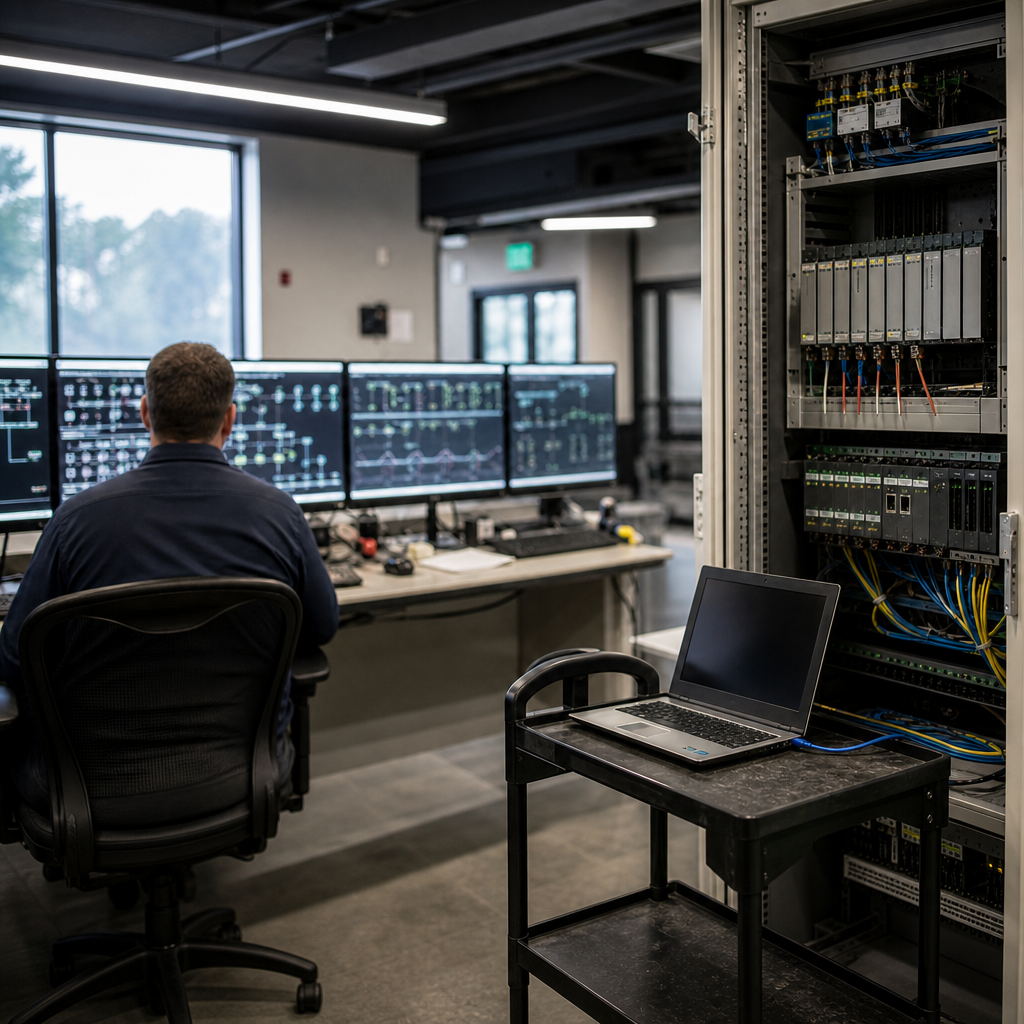
Today, critical infrastructure is not only physical but, to a large extent, digital. Energy networks are managed by digital systems, hospitals operate on electronic documentation and information platforms, banking rests on data centers and communication networks, and transport is coordinated by electronic dispatch centers.
Digital infrastructure thus represents the control layer of all other sectors. If data networks or control systems were to fail, the physical infrastructure might remain technically undamaged, yet the entire system would cease to function.
4. It is an interconnected and interdependent system
Individual sectors of critical infrastructure are not isolated; they are closely linked: without electricity, data centers do not work; without data networks, banks do not function; without energy and IT systems, hospitals cannot operate. This mutual dependence means that a failure in one area can cause a chain reaction in other sectors. Protection of critical infrastructure, therefore, focuses on the resilience of the entire system, not just individual facilities.
FALLACIES
1. "It's just about pipes, distribution lines, and power plants"
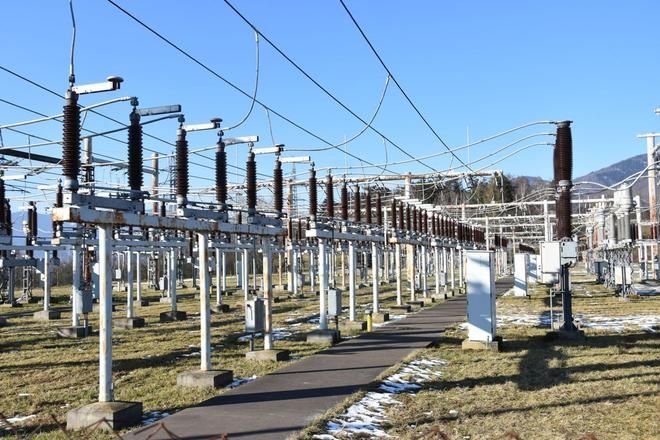
This view is now incomplete. Modern critical infrastructure is a combination of physical equipment and digital systems. Software, data centers, and communication networks are now just as critical as the buildings or technologies themselves.
2. "It only concerns the state"
A large portion of critical infrastructure is operated by private companies — energy enterprises, banks, telecommunications operators, or digital service providers. The function of the service is decisive, not the ownership. European and national legislation places increased requirements on critical entities in the areas of risk management, security, and system resilience, regardless of whether they are state or private entities.
3. "I have nothing to do with it"
Quite the opposite. Practical experience shows that although we encounter the term "critical infrastructure" more often, many people still have no idea what it precisely means — until the moment a failure or crisis occurs. Critical infrastructure touches every one of us. It affects the availability of energy, water, healthcare, finances, and digital services.
Real-world examples: When critical infrastructure stops
The importance of critical infrastructure is often fully revealed only when it is disrupted.
- During the COVID-19 pandemic, it became clear how sensitive food and medical supply chains are. Temporary production outages, logistical restrictions, and border closures caused supply problems, putting pressure on strengthening the resilience of distribution systems.
- Cyberattacks on healthcare facilities have, in some cases, led to the temporary shutdown of hospital information systems. Medical staff had to return to paper documentation and emergency procedures.
- Widespread power outages have shown how quickly the functioning of other sectors — from transport to banking to digital services — can be disrupted.
These experiences confirm that critical infrastructure is not an abstract legislative term, but a system whose stability directly affects the daily life of society.
Why it is important to speak about it clearly
The more technologically advanced and digitized a society becomes, the more it depends on the stability of interconnected systems. The protection of critical infrastructure is therefore not just a technical issue — it is a matter of state resilience, economic stability, and social trust. This is why it is vital that the topic of critical infrastructure is explained clearly and understandably. The Critical Infrastructure Association of the Slovak Republic assists in this area — it provides professional support and consultations for critical infrastructure entities and their suppliers, prepares methodological materials and recommendations, and coordinates the exchange of experience and expert discussion across all critical sectors. AKI SR experts are ready to respond promptly to practical needs and contribute to improving the conditions for the functioning of the critical infrastructure ecosystem in our country.
Paying attention to critical infrastructure means protecting human lives and the stability of society as a whole.