When the Lights Go Out: Blackout as a Test of Modern Society's Resilience

8. apríla 2026

A large-scale power outage is no longer a hypothetical scenario. Recent months have brought a series of incidents showing that the stability of Europe's electricity systems is exposed to a combination of threats on a scale we have not previously encountered. The discussion of blackouts is therefore shifting from technical circles into the broader strategic framework of critical infrastructure protection.

The Polish Incident as a Warning for the Entire Region


At the end of December 2025, Poland faced one of the most serious cyberattacks on its energy sector in recent years. According to statements by the Polish Minister for Digital Affairs, it was a targeted attempt to disrupt the functioning of the electricity system with the clear intention of causing a power supply outage. The country managed to prevent a large-scale blackout, but the very nature of the incident significantly shifted the perception of hybrid threats in the Central European area.


Poland is not an isolated case in this regard. It is among the countries most exposed to long-term hybrid pressure, and in the first three quarters of 2025 it recorded approximately 170,000 cyber incidents. However, the attack on the energy grid crossed a new threshold and demonstrated that critical infrastructure can be the target of operations whose consequences affect millions of citizens without a single conventional military action taking place.


Anatomy of a Large-Scale Outage


The term "blackout" is often used in a simplified way in the media. From a professional standpoint, however, it refers to a precisely defined phenomenon: a sudden and unplanned collapse of the electricity system across a wide area, which exceeds the ability of standard protective mechanisms to maintain the balance between generation and consumption. It occurs within seconds, but restoring supply can take hours or even days, because the grid must be restarted gradually, block by block.


The cause is usually a chain reaction of multiple factors — technical, operational, and human. An isolated failure is generally not enough. The problem arises when several weak points coincide within a short time window which, under normal circumstances, would have been caught. This is precisely why blackouts are often described in the professional literature through the "Swiss cheese model": protective layers function properly, but if the holes in them happen to align, the system fails.


This principle was illustrated by the large-scale outage that struck Spain, Portugal, and parts of France in 2025. Approximately 55 million people were left without electricity, internet availability dropped by 80 percent, transport was seriously affected, and economic losses exceeded 1.6 billion euros. A few weeks later, a smaller but equally tangible blackout hit the north of the Czech Republic, where the outage affected one million supply points and lasted up to twelve hours.


The Cascading Effect Across Sectors


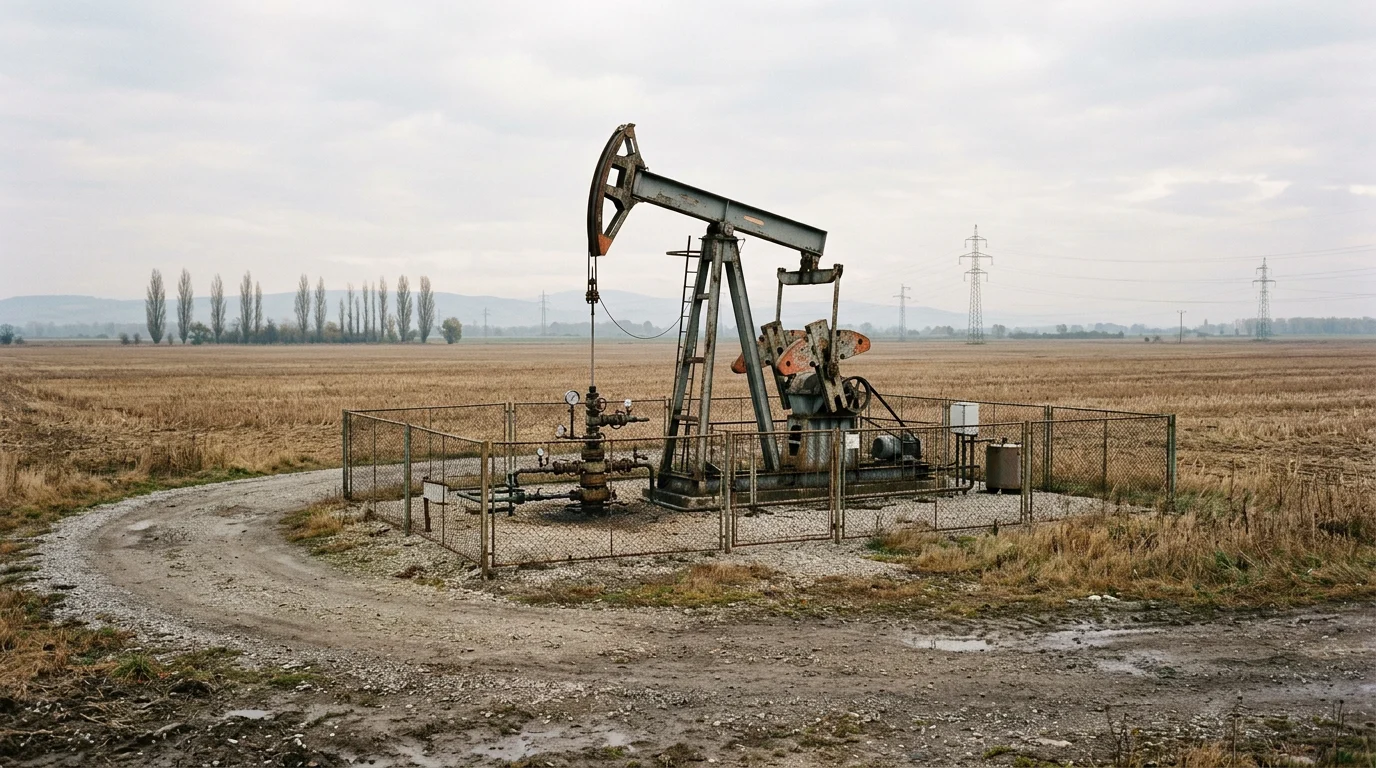
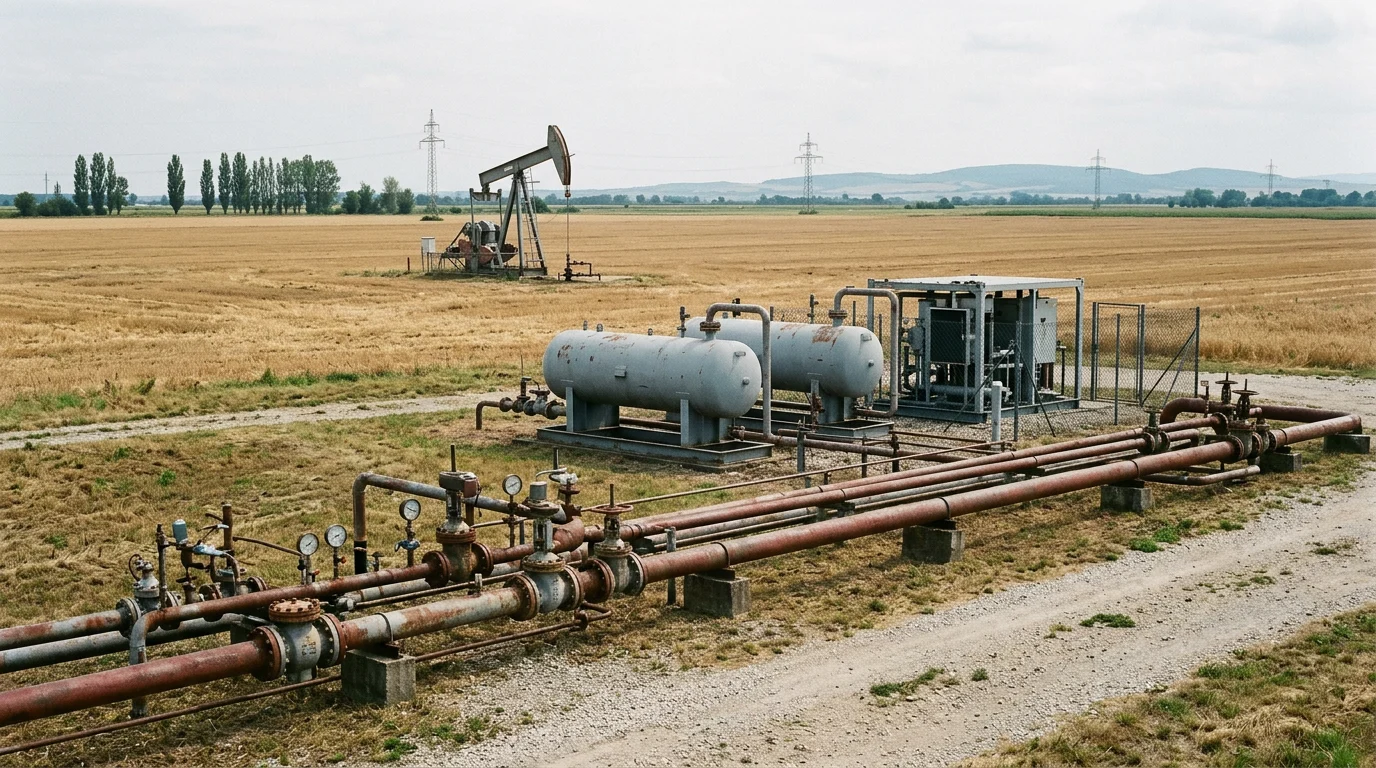
A specific characteristic of the energy sector is its position as the fundamental platform on which almost all other sectors of critical infrastructure rely. A power supply outage does not stop at the boundary of a single sector. Within hours, it affects transport, telecommunications, water management, the financial sector, healthcare, and public administration.


Backup power sources in sensitive facilities are designed as a bridging solution, not as a permanent substitute. Mobile networks gradually shut down once the batteries in their base stations are depleted. Water utilities depend on the electric drive of pumping stations. Logistics chains, which today operate on a "just in time" basis, lose their ability to respond after just a few hours. It is precisely this interconnectedness that makes a blackout an event extending far beyond the economic category of a "service outage."


The Combination of Threats Is Expanding


The risks that can lead to a large-scale outage have not only intensified in recent years but have also diversified. In addition to traditional technical causes and extreme weather events, cyber operations, physical sabotage, and hybrid activities in the grey zone between accident and intent have emerged.


At the same time, the European electricity system is under pressure from an ongoing transformation — namely, the integration of renewable sources, changes in the structure of generation, and growing demands for flexibility. This development is well-founded, but it also increases the technical complexity of managing the grid. Analysis of the Spanish blackout indicated that a key role was played by a combination of low system inertia, a shortage of stabilising sources, and limited cross-border interconnection in the region. The cause was not renewable sources themselves, but rather the way the system was prepared for their integration.


To these factors must be added long-underfunded maintenance and postponed investments in transmission and distribution infrastructure, which analysts across Europe have been pointing out. The result is an environment in which the resilience of the energy system is becoming a strategic issue of the highest order.


Slovakia in the European Context


Slovakia is an integral part of the European electricity system, and its energy interconnections with neighbouring countries are among the most developed. This brings fundamental advantages, such as greater stability, the possibility of cross-border assistance, and more efficient use of resources. At the same time, however, it means that events in neighbouring countries have a direct impact on the Slovak system as well.


The state's response is reflected in strategic documents adopted in recent months. The Resilience Strategy for Critical Entities of the Slovak Republic and the National Cybersecurity Strategy for 2026–2030 create a framework for the systematic strengthening of the preparedness of key sectors. Act No. 367/2024 Coll. on Critical Infrastructure introduces specific obligations for critical entities in the areas of risk assessment, continuity planning, and incident response. The year 2026 marks the first year of full practical application of this framework.


"The topic of blackouts has, in recent months, been moving from professional discussions into the strategic sphere. Not because we face an imminent threat of collapse, but because the combination of factors that can cause a large-scale outage has genuinely expanded. The answer is not fear, but systematic preparedness at the level of the state, critical entities, and the professional community that connects them," states Tibor Straka, President of The Critical Infrastructure Association of the Slovak Republic.


Resilience as a Shared Responsibility


Experience from recent incidents in Europe confirms several fundamental conclusions. First, the protection of the energy system is no longer merely a technical task; it is a cross-cutting strategic issue that requires coordination between operators, state authorities, security services, and professional platforms. Second, the boundary between physical and cybersecurity is gradually disappearing; an effective defence must cover both dimensions simultaneously. Third, resilience cannot be built reactively. It requires long-term investment, professional capacity, and the ability to learn from incidents that have occurred elsewhere.


It is in this context that professional platforms connecting actors operating in the field of critical infrastructure play an important role. The Critical Infrastructure Association of the Slovak Republic (AKI SR) provides a space for professional discussion, the sharing of experience, and coordination across sectors. For critical infrastructure entities, it represents a partner capable of translating complex risks into manageable measures — from vulnerability assessments to preparation for scenarios that, until recently, belonged more to the realm of theoretical analysis.


The stability of electricity supply is among the silent prerequisites for the functioning of modern society. Precisely because we usually do not notice it, it is essential to devote systematic and strategic attention to its protection.

8. apríla 2026
Rozsiahly výpadok elektriny prestáva byť hypotetickým scenárom. Posledné mesiace priniesli sériu incidentov, ktoré ukazujú, že stabilita elektrizačných sústav v Európe je vystavená kombinácii hrozieb, akú sme v takomto rozsahu doteraz nepoznali. Diskusia o blackoute sa tak presúva z technických kruhov do širšieho strategického rámca ochrany kritickej infraštruktúry.
3. apríla 2026
Artificial intelligence is changing the rules of the game in critical infrastructure protection. It is no longer merely an aid in defence — it is also becoming a weapon in the hands of attackers. The question is no longer whether AI will enter the critical infrastructure environment, but how quickly we can prepare for this change.
3. apríla 2026
Umelá inteligencia mení pravidlá hry v ochrane kritickej infraštruktúry. Už nie je len pomocníkom pri obrane, stáva sa aj zbraňou v rukách útočníkov. Otázka už neznie, či sa AI dostane do prostredia kritickej infraštruktúry, ale ako rýchlo sa na túto zmenu dokážeme pripraviť. 
2. apríla 2026
Oblasť kritickej infraštruktúry v Slovenskej republike upravuje zákon č. 367/2024 Z. z. o kritickej infraštruktúre a o zmene a doplnení noektorých zákonov, ktorý definuje jednotlivé sektory, podsektory a základné služby nevyhnutné pre fungovanie štátu. 
2. apríla 2026
The area of critical infrastructure in the Slovak Republic is regulated by Act No. 367/2024 Coll. on Critical Infrastructure and on Amendments and Supplements to Certain Acts, which defines individual sectors, subsectors, and essential services necessary for the functioning of the state.
30. marca 2026
The Critical Infrastructure Association of the Slovak Republic has entered into negotiations on international cooperation with the Republic of India in the field of critical infrastructure protection and the development of post-quantum cryptography. This step reflects the growing importance of technological security and the need to prepare for the advent of quantum technologies, which will fundamentally impact current cryptographic standards. In this context, a significant meeting took place at the Embassy of the Republic of India in Slovakia, attended by H.E. Apoorva Srivastava, Ambassador of the Republic of India to the Slovak Republic, Rastislav Chovanec, State Secretary of the Ministry of Foreign and European Affairs of the Slovak Republic, and Tibor Straka, President of The Critical Infrastructure Association of the Slovak Republic. The delegation also included the Chairman of its Supervisory Board and a representative of member company Decent Cybersecurity s. r. o., Matej Michalko. The discussion focused primarily on opportunities for the development of bilateral cooperation in the areas of critical infrastructure, cybersecurity, and the implementation of post-quantum cryptographic solutions. India is among the countries that systematically invest in the development of cryptography and quantum technologies. This is evidenced by its strategic initiative, the National Quantum Mission, which aims to build a comprehensive national quantum technology ecosystem. It is precisely in this area that The Critical Infrastructure Association of the Slovak Republic sees significant potential for cooperation and the involvement of Slovak technology entities. One such entity is Decent Cybersecurity s. r. o., a company with a long-standing focus on research and implementation of solutions for critical infrastructure, defence systems, and telecommunications networks. The company specialises primarily in the practical implementation of new cryptographic algorithms into modern hardware and software architectures, which makes it well-suited for participation in international post-quantum security projects. From the perspective of the Slovak Republic, cooperation with India represents a significant opportunity for the development of technological diplomacy and the strengthening of strategic partnerships. As one of the fastest-growing digital economies in the world, India plans extensive investments in quantum research and technological infrastructure. The involvement of Slovak companies in these initiatives could substantially support the export of innovative solutions and strengthen technological ties between the two countries. The aim of this initiative is to establish a stable technological partnership between Slovak and Indian institutions, overseen by The Critical Infrastructure Association of the Slovak Republic. An important role is also played by the diplomatic support of the Ministry of Foreign and European Affairs of the Slovak Republic, which can significantly facilitate the establishment of contacts with relevant partners in India. This initiative also fits within the broader context of strengthening technological relations between the European Union and India. Slovakia's active involvement in this process could contribute to reinforcing its position within the European technology ecosystem and increasing its international competitiveness. At the meeting, both sides expressed a clear interest in developing mutual cooperation and identified significant potential for future joint projects. The partners agreed that the combination of expert capacities, technological innovation, and diplomatic support creates a solid foundation for a long-term strategic partnership that can deliver tangible results in the areas of security, innovative development, and economic cooperation. Both sides will continue their expert-level communication, aimed at building a stable platform for a long-term and functional partnership between India and Slovakia in the fields of critical infrastructure and post-quantum cryptography.
30. marca 2026
Asociácia kritickej infraštruktúry Slovenskej republiky vstúpila do rokovaní o medzinárodnej spolupráci s Indickou republikou v oblasti ochrany kritickej infraštruktúry a rozvoja postkvantovej kryptografie. Tento krok reflektuje rastúci význam technologickej bezpečnosti a potrebu pripraviť sa na nástup kvantových technológií, ktoré zásadne ovplyvnia súčasné kryptografické štandardy. V tejto súvislosti sa na pôde Veľvyslanectva Indickej republiky na Slovensku uskutočnilo významné stretnutie za účasti J.E. Apoorva Srivastava, veľvyslankyne Indickej republiky v Slovenskej republike, štátneho tajomníka Ministerstva zahraničných vecí a európskych záležitostí Slovenskej republiky Rastislava Chovanca a prezidenta Asociácie kritickej infraštruktúry Slovenskej republiky Tibora Straku . Súčasťou delegácie AKI SR bol aj predseda jej dozornej rady a zástupca členskej spoločnosti Decent Cybersecurity s. r. o. Matej Michalko. Diskusia sa zamerala najmä na možnosti rozvoja bilaterálnej spolupráce v oblasti kritickej infraštruktúry, kybernetickej bezpečnosti a implementácie postkvantových kryptografických riešení. India patrí medzi krajiny, ktoré systematicky investujú do rozvoja kryptografie a kvantových technológií. Dôkazom je aj jej strategická iniciatíva National Quantum Mission, ktorej cieľom je vybudovať komplexný národný ekosystém kvantových technológií. Práve v tejto oblasti vidí AKI SR významný priestor pre spoluprácu a zapojenie slovenských technologických subjektov. Jedným z nich je spoločnosť Decent Cybersecurity s. r. o. , ktorá sa dlhodobo venuje výskumu a implementácii riešení pre kritickú infraštruktúru, obranné systémy a telekomunikačné siete. Spoločnosť sa špecializuje najmä na praktickú implementáciu nových kryptografických algoritmov do moderných hardvérových a softvérových architektúr, čo ju predurčuje na zapojenie do medzinárodných projektov v oblasti postkvantovej bezpečnosti. Z pohľadu Slovenskej republiky predstavuje spolupráca s Indiou významnú príležitosť pre rozvoj technologickej diplomacie a posilnenie strategických partnerstiev. India ako jedna z najrýchlejšie rastúcich digitálnych ekonomík sveta plánuje rozsiahle investície do kvantového výskumu a technologickej infraštruktúry. Zapojenie slovenských spoločností do týchto iniciatív by mohlo výrazne podporiť export inovatívnych riešení a posilniť technologické väzby medzi oboma krajinami. Cieľom iniciatívy je vytvorenie stabilného technologického partnerstva medzi slovenskými a indickými inštitúciami, ktoré bude zastrešovať Asociácia kritickej infraštruktúry Slovenskej republiky. Dôležitú úlohu pritom zohráva aj diplomatická podpora Ministerstva zahraničných vecí a európskych záležitostí SR, ktorá môže výrazne napomôcť pri nadväzovaní kontaktov s relevantnými partnermi v Indii. Táto iniciatíva zároveň zapadá do širšieho kontextu posilňovania technologických vzťahov medzi Európskou úniou a Indiou. Aktívne zapojenie Slovenska do tohto procesu by mohlo prispieť k posilneniu jeho pozície v rámci európskeho technologického ekosystému a zvýšiť jeho medzinárodnú konkurencieschopnosť. Na stretnutí obe strany vyjadrili jasný záujem o rozvoj vzájomnej spolupráce a identifikovali významný potenciál pre budúce spoločné projekty. Partneri sa zhodli, že prepojenie odborných kapacít, technologických inovácií a diplomatickej podpory vytvára pevný základ pre dlhodobé strategické partnerstvo, ktoré môže priniesť konkrétne výsledky v oblasti bezpečnosti, inovatívneho rozvoja a ekonomickej spolupráce. Obe strany budú pokračovať v odbornej komunikácii, smerujúcej k vybudovaniu stabilnej platformy pre dlhodobé a funkčné partnerstvo Indie a Slovenska v oblasti kritickej infraštruktúry a postkvantovej kryptografie.
25. marca 2026
For most people, GPS (Global Positioning System) is synonymous with car or smartphone navigation. It helps us find our way, avoid traffic jams, and discover new places. However, very few realise that the Global Positioning System provides precise time and location data upon which the functioning of modern society depends.
25. marca 2026
Pre väčšinu ľudí je GPS (Global Positioning System) synonymom navigácie v aute alebo v mobile. Pomáha nám nájsť cestu, vyhnúť sa zápcham či objaviť nové miesta. Len málokto si však uvedomuje, že globálny satelitný systém určovania polohy (GPS) poskytuje údaje o presnom čase a presnej polohe, na ktorých stojí fungovanie modernej spoločnosti.
21. marca 2026
The area of critical infrastructure in the Slovak Republic is regulated by Act No. 367/2024 Coll. on Critical Infrastructure and on Amendments and Supplements to Certain Acts, which defines individual sectors, subsectors, and essential services of critical infrastructure.