Future Forces 2026: When Defence Technologies Also Protect Critical Infrastructure
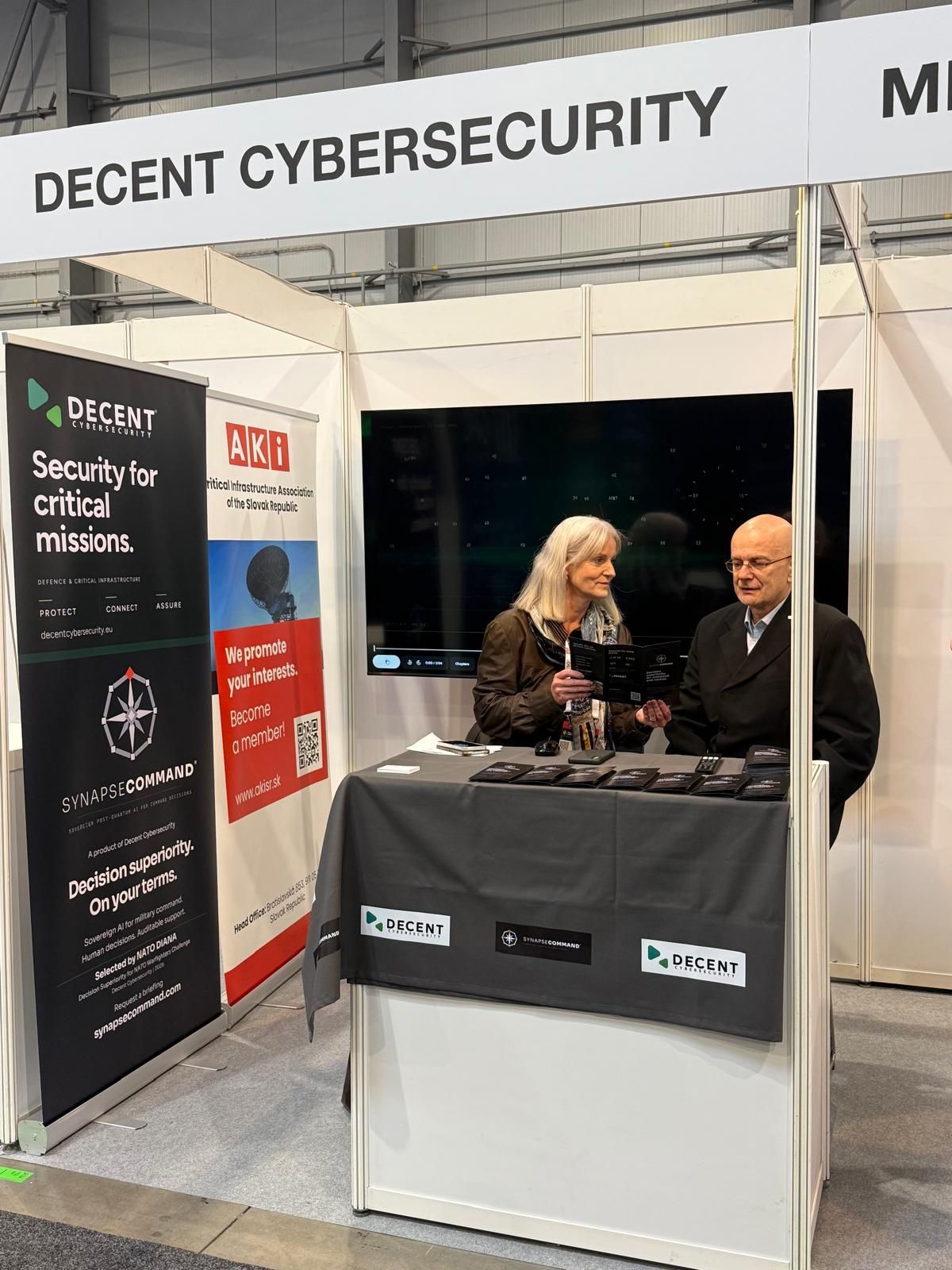
The Critical Infrastructure Association of the Slovak Republic (AKI SR) visited Future Forces 2026 in Prague, an international event focused on defence, security and emerging technologies. For the Association, the event provided an opportunity to explore solutions whose applications extend beyond the military domain and which can also contribute to protecting critical entities. AKI SR member company Decent Cybersecurity also played an active role at the event.
Common Ground: Technology, Information and Security
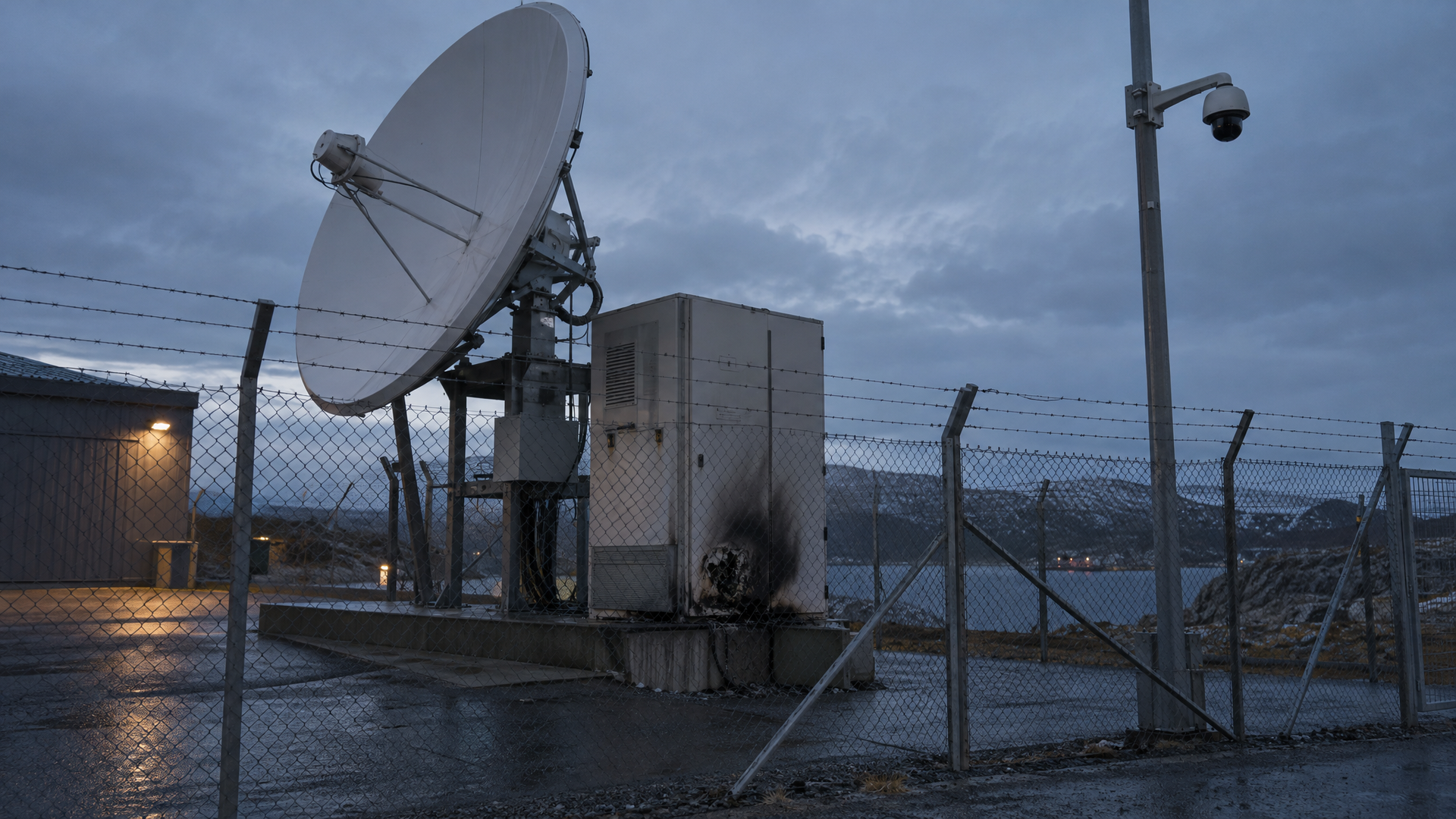
Modern defence technologies and critical infrastructure protection have more in common than might initially appear. Artificial intelligence, autonomous systems, cyber defence and secure communications are used not only in defence operations but also in protecting energy facilities, transport networks, industrial systems and other essential services.
One of the key factors is the trustworthiness of information. If an attacker can manipulate data, disrupt communications or influence the decision-making of a control system, the consequences can extend from the digital environment into physical operations. When introducing new technologies, it is therefore essential to assess not only their performance but also data security, decision-making integrity and their ability to operate when connectivity is disrupted or under other adverse conditions.
This intersection of defence and civilian security needs was one of the reasons why Future Forces 2026 was also relevant to AKI SR. The event provided a platform for exchanging experience and presenting solutions in defence, cybersecurity and national security.
Decent Cybersecurity: Success in NATO DIANA with Relevance for Critical Entities
AKI SR member company Decent Cybersecurity was also an active participant at Future Forces 2026, where it presented its expertise and technological solutions. Its participation demonstrated how Slovak cybersecurity technologies are being applied in the broader international security environment and how defence innovations intersect with the needs of critical infrastructure protection.
In July 2026, the company was selected under the NATO DIANA challenge Decision Superiority for NATO Warfighters. Its SynapseCommand solution was chosen as one of ten innovations from 427 submitted projects. The programme focuses on supporting better and faster decision-making within the Alliance and developing solutions in cooperation with NATO’s Allied Command Operations.
The significance of this achievement goes beyond the prestige of being selected for an international programme. It demonstrates that when decisions are supported by artificial intelligence, speed is just as important as the trustworthiness of input data and the ability to verify the basis on which a system reaches its conclusions.
This issue is equally relevant to critical infrastructure. Incorrect or manipulated data in monitoring systems, supervisory control systems or security surveillance systems can lead to inappropriate interventions or delayed responses to incidents. Technologies developed for defence applications therefore also offer opportunities for new approaches to securing sensitive data and supporting decision-making in critical operations.
What Participation Means for AKI SR
For the Association, participation in Future Forces 2026 has clear professional value: it provides an opportunity to monitor the development of solutions that may address the emerging security needs of critical entities and to connect those needs with the capabilities of technology companies.
“Future Forces 2026 showed us how important it is to consider defence technologies also in terms of their potential applications in critical infrastructure protection. I am particularly interested in how new solutions in artificial intelligence and cybersecurity can be translated into practical measures to protect critical entities. For AKI SR, it is important to understand these opportunities and connect professional expertise with the needs of real-world operations,” said Tibor Straka, President of AKI SR.
The future of critical infrastructure protection will not be determined solely by the choice of security technologies. Equally important will be our ability to ensure trustworthy information and sound decision-making in situations where the continuity of essential services depends on them.