Introducing Critical Infrastructure Sectors: Water and Atmosphere
The Critical Infrastructure Association of the Slovak Republic continues its series of professional articles dedicated to the individual sectors of critical infrastructure under Act No. 367/2024 Coll. on Critical Infrastructure. The aim of this series is to present to both the professional and general public the significance of individual critical sectors, their position within the state security system, essential services, risks, and the obligations of critical infrastructure entities.
This article is dedicated to the Water and Atmosphere sector, which forms the foundation of environmental stability. Its significance transcends common infrastructure, as it represents a prerequisite for the very existence of life and the continuity of society.
Why Water and Atmosphere Are Part of Critical Infrastructure
The Water and Atmosphere sector includes a complex of activities associated with water supply, wastewater management, monitoring of hydrological conditions and air quality, as well as meteorological and climate services.
A characteristic feature of the sector is a combination of natural variability and high technological dependence, which enables its management in real-time.
Water and atmosphere represent two interconnected natural systems that fundamentally influence the functioning of society. Their importance has deepened in recent years, primarily due to climate change, increasing urbanization, and an increased reliance on precise environmental data in state governance.
The Slovak Republic is specific in that its water balance is significantly influenced by transboundary flows. Up to approximately 96% of watercourses in the territory of the Slovak Republic originate outside the state, meaning that the stability of water resources is dependent on international hydrological conditions.
The water network in Slovakia exceeds 49,000 km of watercourses, primarily consisting of smaller and medium-sized streams sensitive to both droughts and torrential rainfall. Drinking water supply is provided for more than 3.5 million inhabitants through public water supply systems, with approximately 80% of drinking water originating from groundwater sources.
Slovakia possesses an extensive system of water structures – estimated at more than 12,000 water reservoirs and smaller water management facilities, which fulfill supply, flood protection, and regulatory functions.
The atmospheric system, particularly air quality, is equally critical. In cities, elevated concentrations of PM2.5 particles are repeatedly recorded, often exceeding WHO recommended limits during winter months. This condition is mainly related to local heating, transportation, and industrial loads.
Central State Authority
The central state authority for the Water and Atmosphere sector is the Ministry of Environment of the Slovak Republic.
Its main activities in the field of critical infrastructure include the strategic management of environmental policy, methodological guidance of entities, and ensuring the continuity of monitoring systems.
Subsectors, Entities, and Essential Services of the Water and Atmosphere Sector
The following subsectors are defined within the sector:
a) Drinking water
b) Wastewater
c) Water structures
d) Meteorological service
Entities are:
In subsector a) Drinking water
Suppliers and distributors of water intended for human consumption according to a special regulation, excluding water bottled in consumer packaging and water used in food enterprises during the production, handling, and placement of food on the market, with the exception of distributors for whom the distribution of water for human consumption is an insignificant part of their overall activity in the field of distribution of other commodities and goods.
In subsector b) Wastewater
Enterprises engaged in the collection, disposal, or treatment of wastewater according to a special regulation, with the exception of enterprises for which the collection, disposal, or treatment of municipal wastewater, household wastewater, or industrial wastewater is an insignificant part of their overall activity.
In subsector c) Water structures
Enterprises operating structures, their components, or parts thereof that enable the special use of waters or other handling of waters
according to a special regulation.
In subsector d) Meteorological service
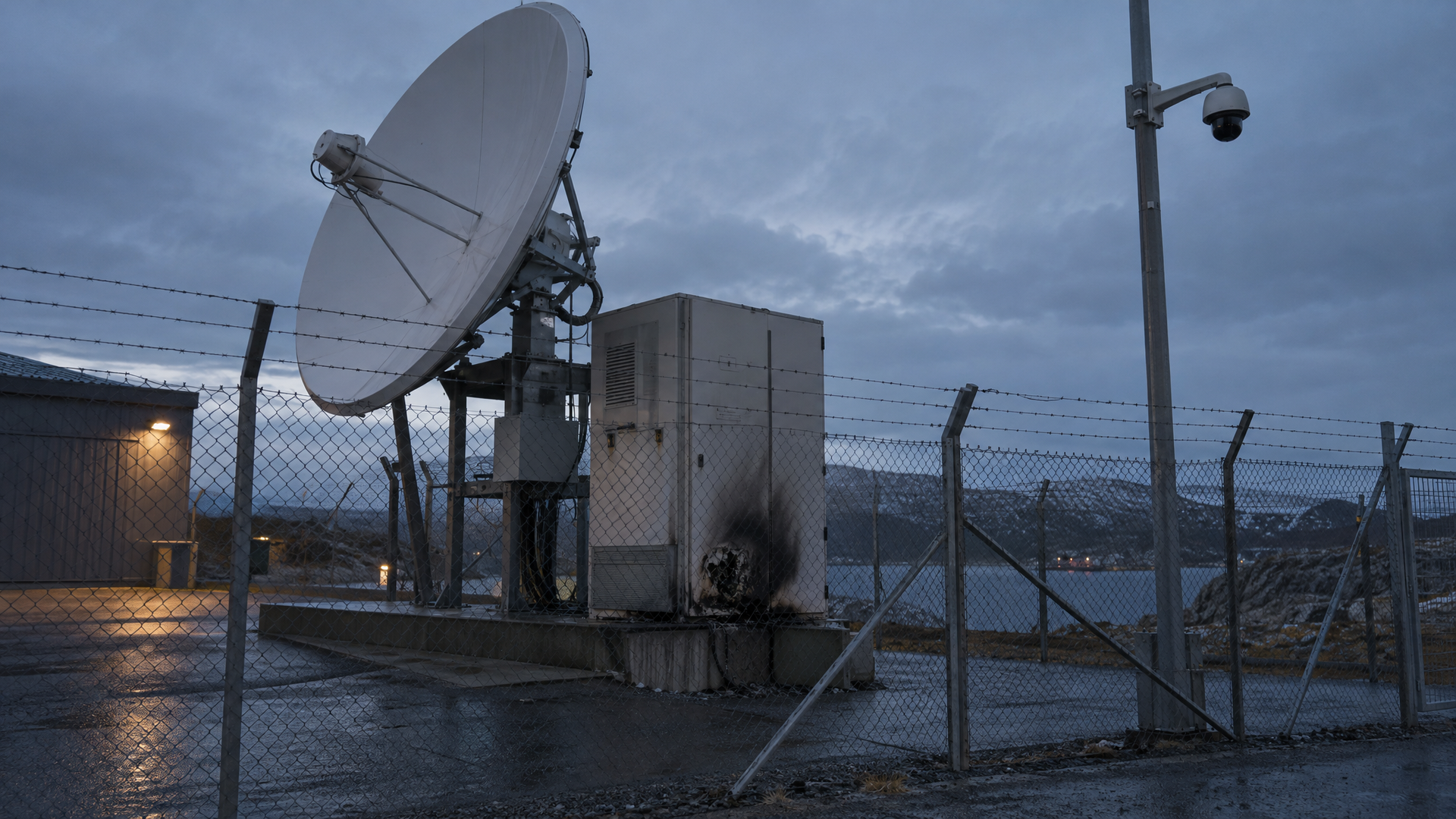
Enterprises monitoring quantitative and qualitative parameters of air and water status, primarily according to a special regulation.
The following may be designated as critical infrastructure entities:
- water companies supplying cities and regions
- operators of large water supply systems
- managers of significant water structures
- national hydrometeorological institutions
- laboratories of significance for public health
- environmental monitoring and warning systems
The decisive criterion is the impact of a service failure, not the size of the organization. In practice, this means that even a relatively small entity can be critical if it provides a key part of the water or monitoring system.
Which essential services are provided by critical entities in subsector a) Drinking water:
The supply and distribution of drinking water intended for human consumption as defined in the category of entities, with the exception of the distribution of water for human consumption, including water filled into bottles and containers, including spring waters, if this service is an insignificant part of the overall activity of distributors in the field of distribution of other commodities and goods.
Which essential services are provided by critical entities in subsector b) Wastewater:
The collection, treatment, and disposal of wastewater, with the exception of the collection, disposal, or treatment of municipal wastewater, household wastewater, or industrial wastewater, if these are an insignificant part of the overall activity of the enterprises.
Which essential services are provided by critical entities in subsector c) Water structures:
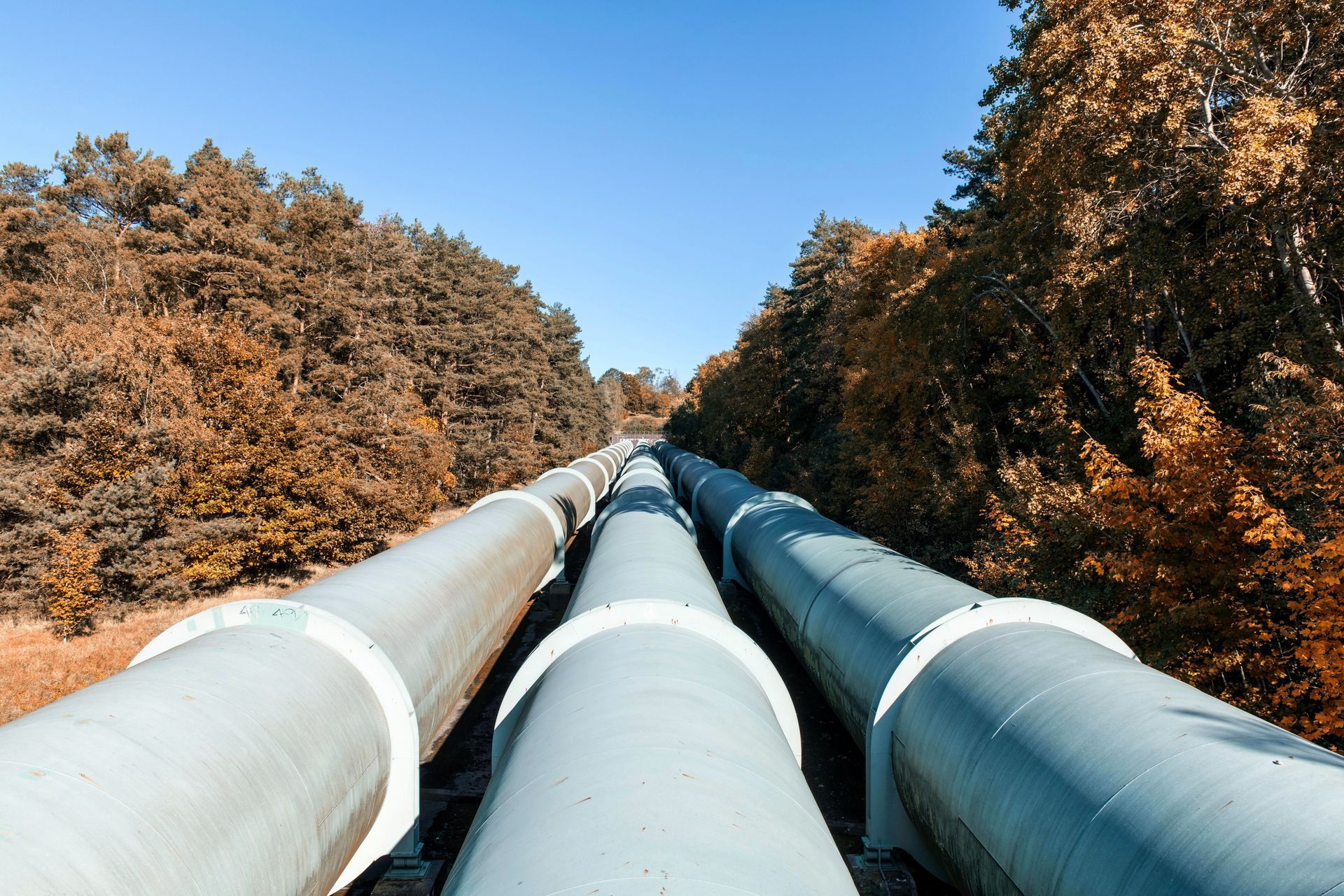
Operation, management, and maintenance of structures by which a riverbed is regulated, modified, or established; flood protection structures; dams; water reservoirs; weirs; dikes; hydroelectric power plants; structures for utilizing the hydro-energetic potential of a watercourse and other structures necessary for water management; public water supply and public sewerage systems; operation, management, and maintenance of structures established for navigation purposes; tailing ponds created by a dam system; hydro-melioration structures for irrigation and drainage of land and for the protection of land against water erosion.
Which essential services are provided by critical entities in subsector d) Meteorological service:
Collection, gathering, verification, evaluation, archiving, and interpretation of data and information regarding the state and regime of air and waters; description of processes in the atmosphere and hydrosphere; creation of meteorological and hydrological forecasts; issuing warnings and other information.
The Water and Atmosphere sector is formed by a wide network of public and technical entities. It includes approximately 2,300 operators of public water supply and sewerage systems, regional water companies, watercourse managers, drinking water treatment plants, as well as meteorological and environmental institutions.
Their activities can be divided into several basic areas:
- supplying the population with drinking water and discharging wastewater
- monitoring the quality of surface and groundwater
- meteorological and climate forecasting
- monitoring air quality in cities and industrial zones
- operation of warning systems for floods and drought
- processing environmental data for crisis management
- hydrological and climate modeling
These services form the basis not only for environmental stability but also for public administration decision-making processes in crisis situations.
Specifics of the Water and Atmosphere Sector
The sector is characterized by a high degree of interconnection with other critical infrastructure sectors. Its functioning is dependent on energy infrastructure, as without electricity it is not possible to ensure the operation of pumping stations, water treatment plants, or monitoring systems.
At the same time, it is a sector strongly dependent on digital technologies that enable the collection, processing, and evaluation of environmental data. Chemical processes of water treatment and the stability of telecommunication networks also play an important role.
Risks of the Water and Atmosphere Sector
The risk profile of the sector is formed by a combination of climatic, technological, and security threats.
Key risks include:
- long-term drought and declining groundwater levels
- floods and extreme precipitation
- contamination of drinking water sources
- air pollution in urban areas
- power outages
- cyberattacks on monitoring systems
- disruption of chemical supply chains
- technological failures of water treatment plants
A significant trend is the growing frequency of extreme climate phenomena, which according to European environmental analyses rank among the fastest-growing sources of infrastructure damage.
Role of the Critical Infrastructure Association of the Slovak Republic
The Critical Infrastructure Association of the Slovak Republic supports entities operating in the Water and Atmosphere sector through professional consulting, education, and risk analysis.
Its activities primarily include:
- support for the implementation of legislative requirements
- creation of business continuity plans
- analysis of infrastructure vulnerabilities
- crisis management training
- cybersecurity support
- connecting the public and private sectors
- exchange of professional experience
In the coming years, the Water and Atmosphere sector will be among the key areas of critical infrastructure, as it directly affects the limits of societal functioning under changing climate conditions. The future of a resilient society will thus be measured not only by economic performance but also by the ability to protect water and air quality for future generations.