The future of aviation is seen in hydrogen technologies
At the invitation of AKI SR, Deputy Prime Minister of Slovakia for the Recovery and Resilience Plan and the use of EU funds Peter Kmec and State Secretary of the Ministry of Education, Research, Development and Youth Ján Hrinko visited TOMARK company.
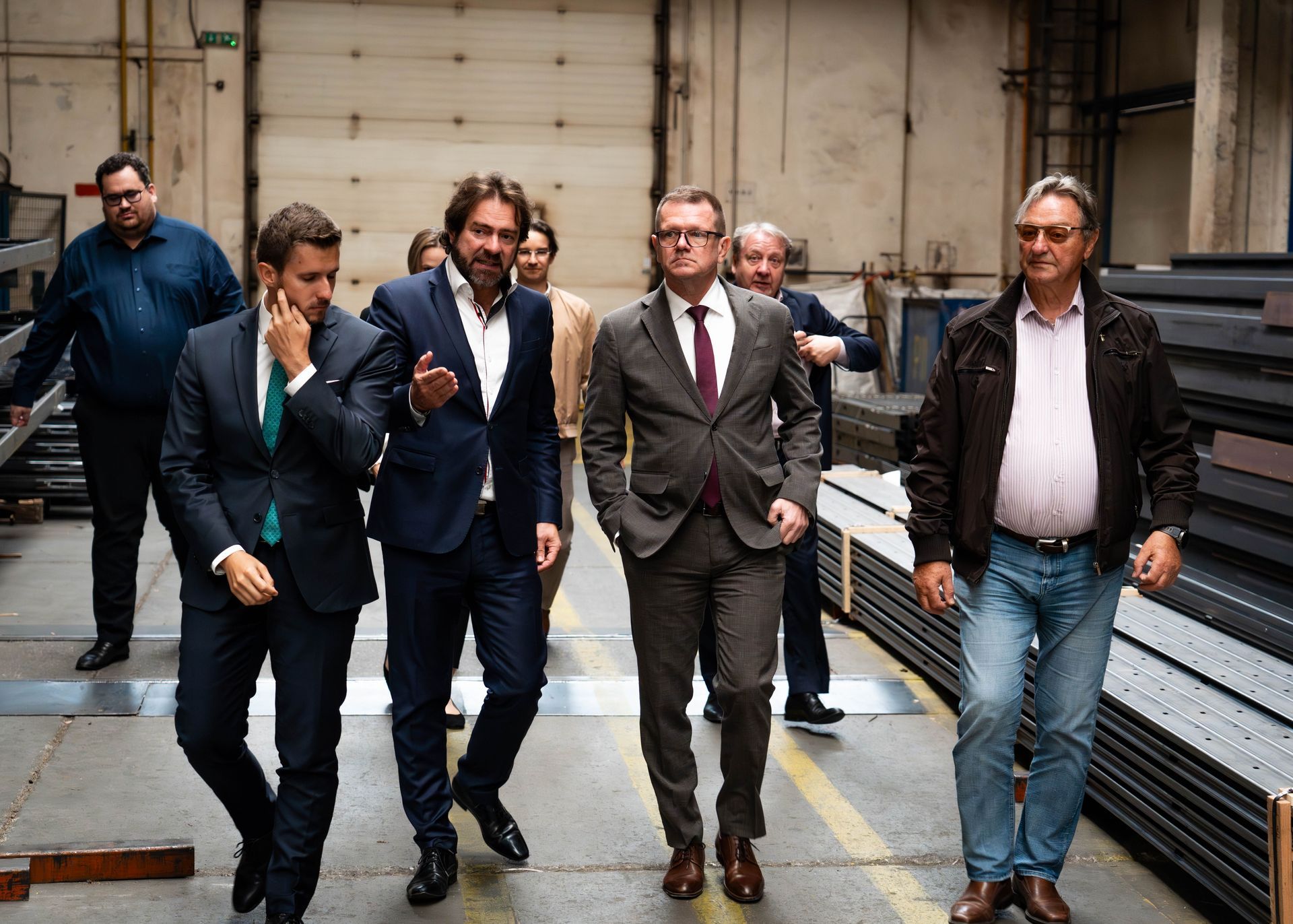
On Wednesday, September 24, 2025, a visit to the companies of the TOMARK group took place in Prešov, attended by Deputy Prime Minister of Slovakia for the Recovery and Resilience Plan and the use of EU funds Peter Kmec and State Secretary of the Ministry of Education, Research, Development and Youth of the Slovak Republic Ján Hrinko. The visit was held at the invitation of the Critical Infrastructure Association of the Slovak Republic, which was represented at the event by President Tibor Straka and Chairman of the Supervisory Board Matej Michalko. The new division of the traditional company TOMARK, TOMARK PROTON s.r.o. is among the leading Slovak innovators in the field of hydrogen technologies and is a member of AKI SR.
During the visit, representatives of TOMARK, s.r.o., Tomark Aero s.r.o. and TOMARK PROTON s.r.o. presented large-scale production of chassis for truck trailers, the aviation division and especially the current state of the IPCEI project (Important Project of Common European Interest) H2 VTOL. The main goal of the project is, in addition to developing hydrogen tanks, to build one of the first aircraft with vertical takeoff and landing powered by hydrogen.
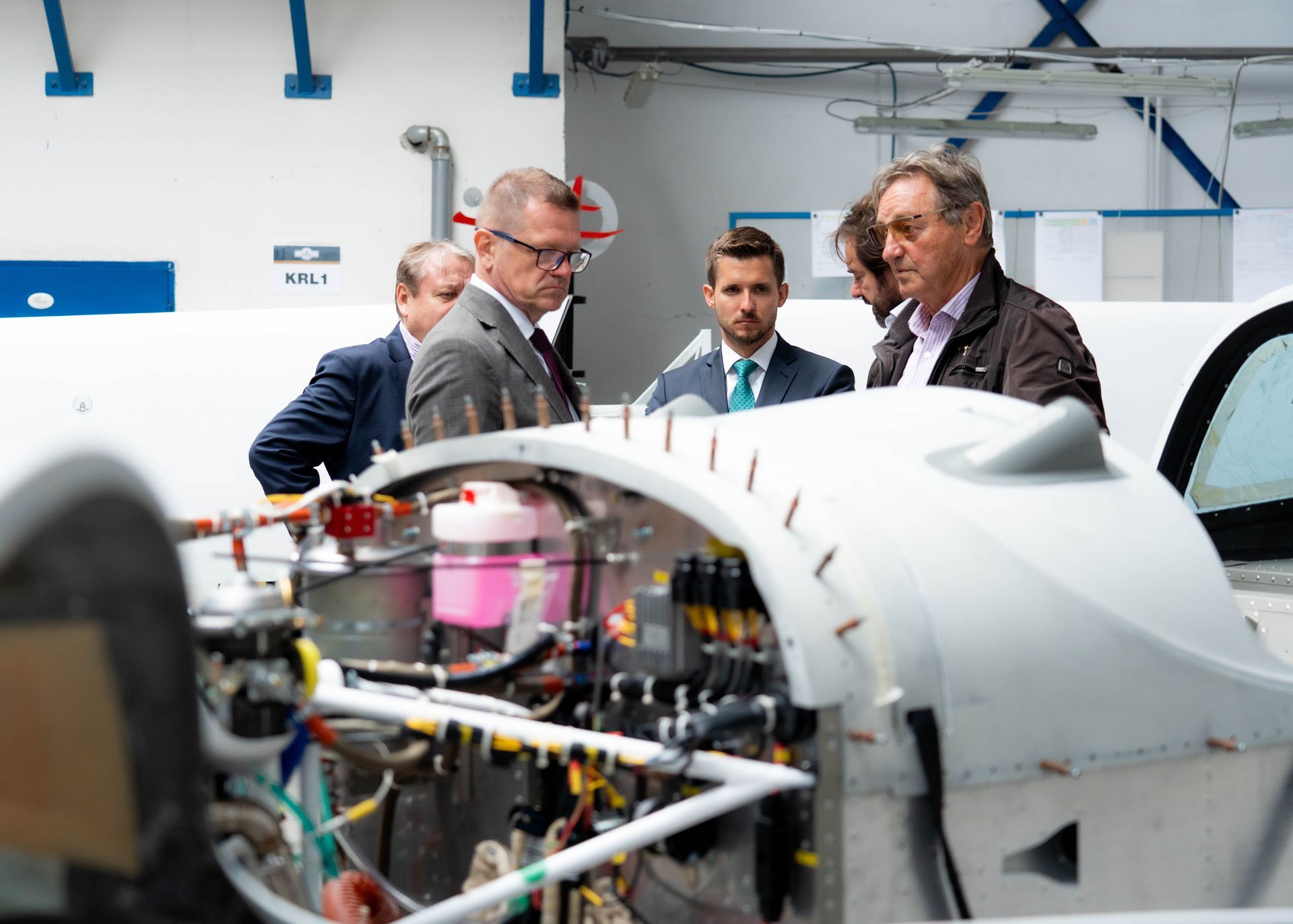
"Hydrogen technologies are not just a topic of the future – they are already our real chance today for a greener and competitive economy," said Deputy Prime Minister Peter Kmec.
Discussion focused on the importance of this project from the perspective of high added value and increasing Slovakia's position in the innovation ranking. Hydrogen is perceived as one of the main technologies of the future. It brings ecological solutions with reduced carbon footprint, strengthens the country's energy security and opens space for new innovative projects.
Meeting participants also opened the topic of necessary continuity of grant financing, thanks to which first-class Slovak brains were attracted from abroad. "If we want Slovakia to remain attractive for talented scientists and engineers, we need stable and predictable conditions for supporting research and innovation," added State Secretary Ján Hrinko. Attention was also paid to the importance of cybersecurity of emerging know-how, which is crucial for long-term strategic protection of technological solutions and innovations. "Innovation without security has no future. Protecting our know-how is as important as creating it," emphasized AKI SR President Tibor Straka.
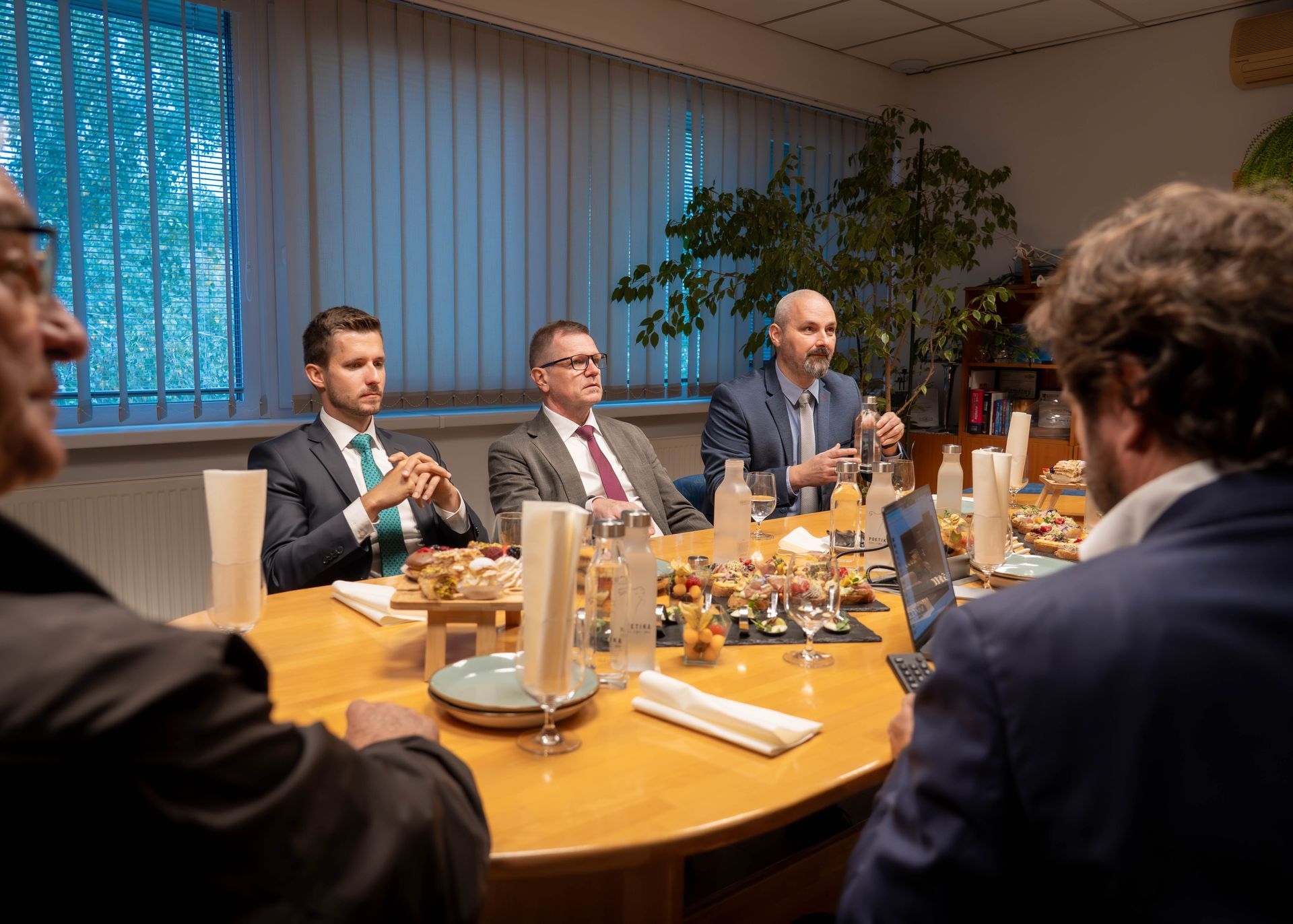
The Critical Infrastructure Association of the Slovak Republic actively supports its members in the field of innovative technologies and cybersecurity, therefore it considers the visit of the Deputy Prime Minister of Slovakia for the Recovery and Resilience Plan and the use of EU funds and the State Secretary of the Ministry of Education, Research, Development and Youth as a significant step towards deepening cooperation between the state, industry and research sphere. The common goal is for Slovakia to be able to harness the potential of hydrogen technologies and become part of the modern and ecological energy transformation.