The Ministry of Economy of the Slovak Republic and the Critical Infrastructure Association of the Slovak Republic Signed a Memorandum of Cooperation
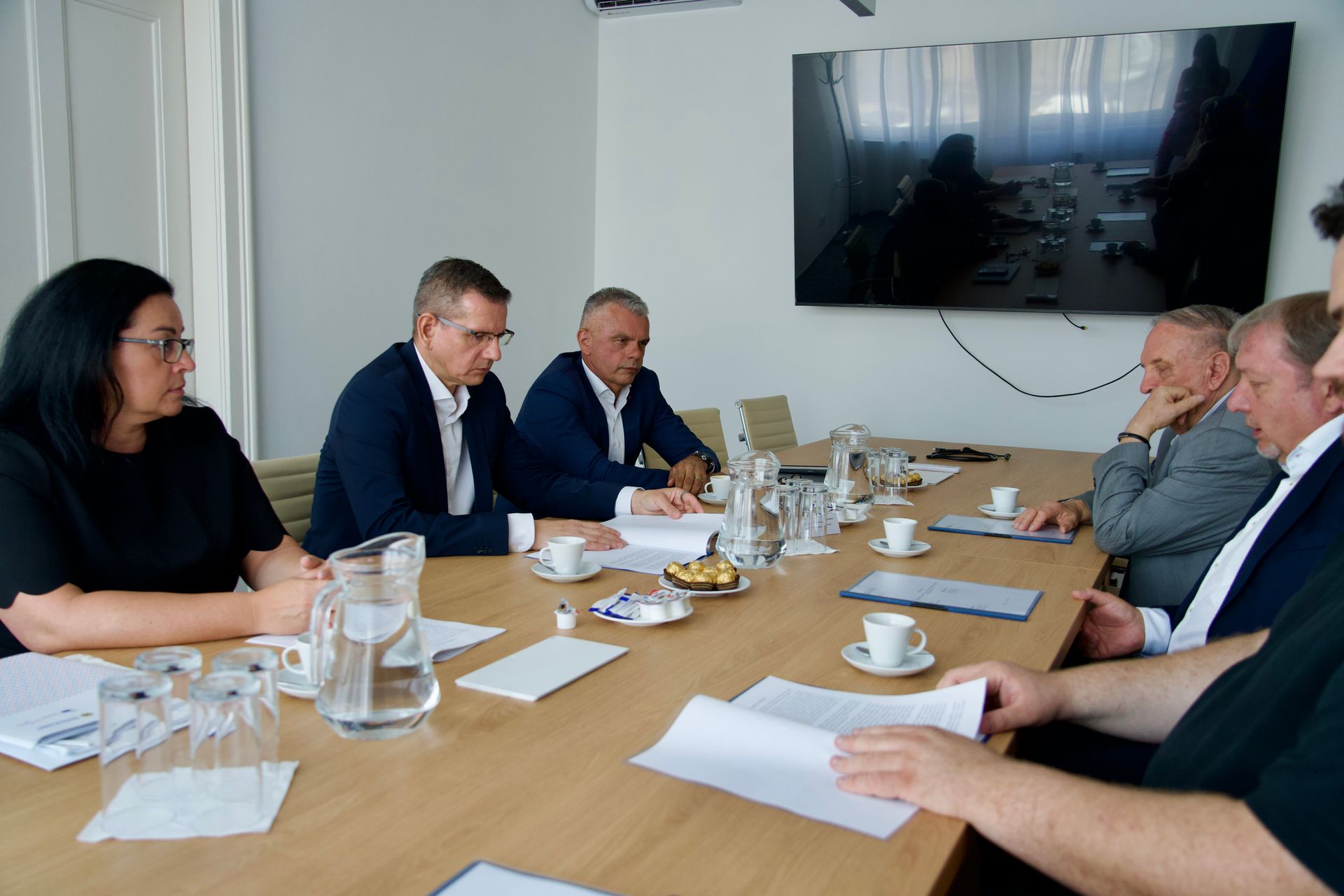
The Ministry of Economy of the Slovak Republic and the Critical Infrastructure Association of the Slovak Republic signed a Memorandum of Cooperation on Monday, 22 June 2026, with the aim of strengthening cooperation in the field of resilience of the critical infrastructure of the Slovak Republic and ensuring the continuity of the provision of essential services.
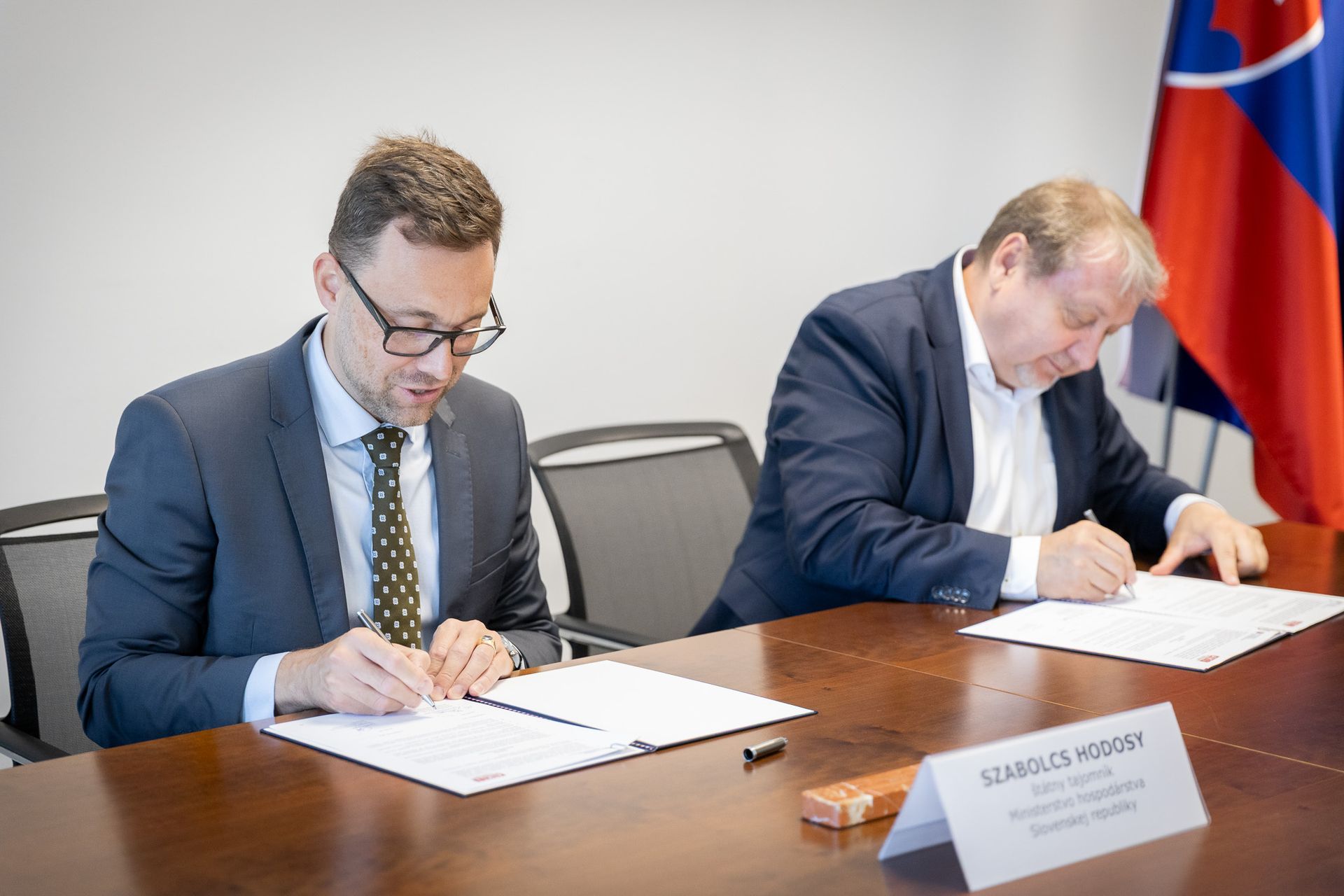
The memorandum was signed on behalf of the Ministry of Economy of the Slovak Republic by State Secretary Szabolcs Hodosy, and on behalf of the Critical Infrastructure Association of the Slovak Republic by the association’s president, Tibor Straka.
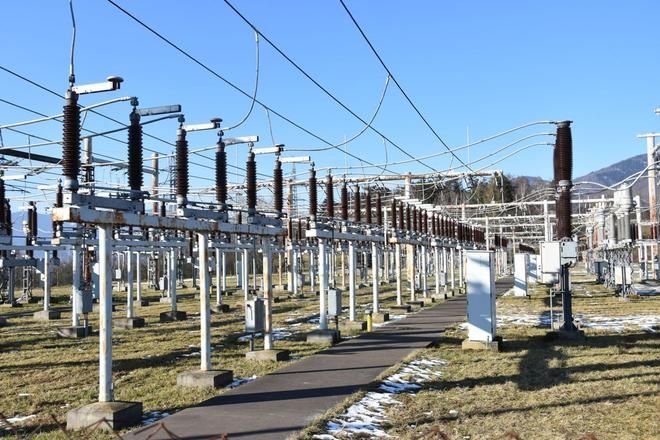
The Ministry of Economy of the Slovak Republic is one of the key central state administration authorities in the field of critical infrastructure. Within its competences, it ensures the implementation of state policy in strategic areas such as electricity, nuclear energy, gas, oil and district heating. At the same time, it is the central state administration authority for important industrial sectors, including the pharmaceutical, metallurgical and chemical industries, which represent fundamental pillars of the functioning of the economy and the security of the state. For this reason as well, the ministry holds a crucial position in building and strengthening the resilience of the critical infrastructure of the Slovak Republic.
The signed memorandum establishes a framework for systematic expert cooperation between the two parties, particularly in the area of ensuring the resilience of critical entities and the provision of essential services within the meaning of the Act on Critical Infrastructure and related European legislation. The contracting parties declared their interest in cooperating on the implementation of measures aimed at strengthening the resilience of critical entities, on the preparation and submission of proposals for legislative amendments, on the exchange of expert knowledge and experience, as well as on promoting good practice and proven procedures in the field of critical infrastructure protection. The cooperation will also include the organisation of expert discussions, working meetings, consultations and other activities aimed at increasing the security preparedness of strategic sectors.
At the signing of the memorandum, the president of the association, Tibor Straka, stated: “We consider the signing of the memorandum with the Ministry of Economy of the Slovak Republic to be an important step towards strengthening cooperation between the professional community and state administration in the field of critical infrastructure protection. Current security and geopolitical challenges require a systematic approach, expert dialogue and coordinated action by all stakeholders. Our ambition is to actively contribute to increasing the resilience of the strategic sectors of the Slovak Republic and to support the exchange of expert experience and best practices in this area.”
The signed memorandum confirms the shared interest of both parties in developing expert dialogue and creating conditions for the more effective protection of the state’s strategic sectors, which are essential for the stable functioning of the economy, public services and the preservation of the security of the Slovak Republic.
The Critical Infrastructure Association of the Slovak Republic creates an expert platform for critical entities, their suppliers, experts and partners operating in the field of security and resilience of strategic sectors. For critical entities that will be designated pursuant to Act No. 367/2024 Coll. on Critical Infrastructure and on Amendments and Supplements to Certain Acts no later than 17 July 2026, the association offers a space for expert cooperation, exchange of experience, consultations and support in implementing the requirements arising from the new legislation and in building the resilience of critical entities in the Slovak Republic.