We continue negotiations on cooperation with sectoral ministries: meeting at the Ministry of Agriculture and Rural Development of the Slovak Republic

25. augusta 2025

Representatives of the Critical Infrastructure Association of the Slovak Republic participated on August 21, 2025, in a working meeting on the issue of the Critical Infrastructure Strategy in the agriculture and rural development sector of the Slovak Republic. 

The meeting took place at the Ministry of Agriculture and Rural Development of the Slovak Republic as part of negotiations by the intersectoral working group for critical infrastructure with representatives from the sections of agriculture, food industry and strategies, analyses and cross-cutting activities, and the crisis management department.

The Ministry of Agriculture and Rural Development of the Slovak Republic is the central authority for the Food Production, Processing and Distribution sector, which includes essential services such as production, processing and distribution in the food industry, large-scale industrial food production and processing, food supply chain services, and wholesale food distribution.

The Chairman of the Supervisory Board of AKI, Matej Michalko, informed ministry representatives about the establishment of the association and its mission, emphasizing the connection between the public and private sectors in the field of critical infrastructure. He stated that the association is an independent interest association of legal entities, financed only by membership fees from its members and focused on developing the critical infrastructure ecosystem in Slovakia. Within the framework of informing about the association's activities, he emphasized that AKI perceives the issue of increasing costs for critical entities to ensure the resilience of critical infrastructure and essential services. In this context, the association is currently initiating negotiations with state authorities and the banking sector about the possibility of using European funds and preparing favorable bank loans for critical entities.

AKI representatives proposed cooperation with the ministry in the area of consultations with critical entities, in the area of threat, hazard and vulnerability analyses, and in the area of audits of the existing state of essential service provision and ensuring the resilience of critical entities, as well as the development of implementation projects for implementing measures to ensure the provision of essential services and resilience of critical entities. At the same time, they offered the ministry AKI's professional capacities in the area of expert opinions, information exchange, preparation of legislative proposals, education, as well as science and research projects.

Negotiations between the Critical Infrastructure Association of Slovakia and the Ministry of Agriculture and Rural Development of the Slovak Republic will continue toward concluding a memorandum of cooperation, which should create a basic framework for mutual systematic and long-term cooperation in the field of critical infrastructure in the food production, processing and distribution sector.

19. novembra 2026
The amendment to the Cybersecurity Act has been in force since January 1, 2025, but some entities listed in the register under the previous legislation could rely on the transitional provisions until December 31, 2026. For operators in energy, transport, healthcare, water management and other strategic services, the final weeks of the year are therefore an opportunity to check not only formal compliance, but also the actual level of protection for their operations.
19. novembra 2026
Novela zákona o kybernetickej bezpečnosti je účinná od 1. januára 2025, no časť subjektov zapísaných do registra podľa staršej úpravy mohla prechodné ustanovenia využívať až do 31. decembra 2026. Pre prevádzkovateľov v energetike, doprave, zdravotníctve, vodnom hospodárstve a ďalších strategických službách je preto posledné obdobie roka príležitosťou preveriť nielen formálne plnenie povinností, ale aj skutočnú úroveň ochrany prevádzky. 
14. novembra 2026
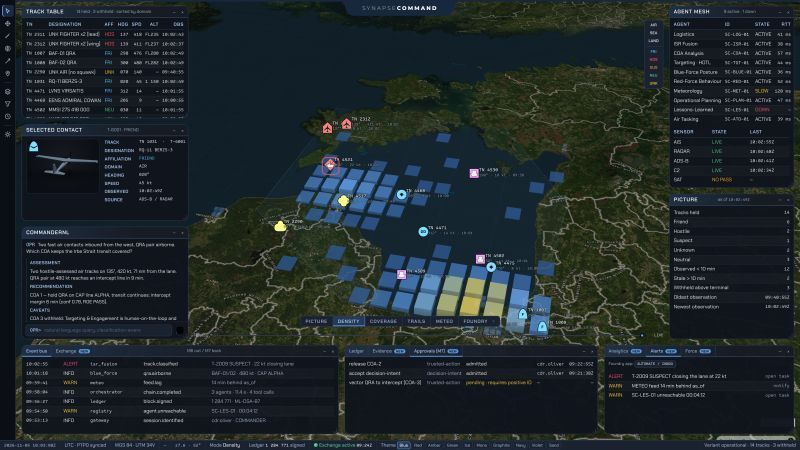
The Critical Infrastructure Association (AKI SR) of the Slovak Republic considers the selection of the SynapseCommand platform among the ten projects in the NATO DIANA programme a significant recognition of the technological and professional calibre of Slovakia’s security industry. The solution was developed by Decent Cybersecurity s. r. o., a member company of the association. It stood out in international competition and has been given the opportunity to undergo further technological testing within the NATO environment. The result also confirms that Slovak technology companies can actively contribute to developing Alliance capabilities in command, control and decision support.
14. novembra 2026
Asociácia kritickej infraštruktúry Slovenskej republiky (AKI SR) považuje výber platformy SynapseCommand do desiatky projektov programu NATO DIANA za významné ocenenie technologickej a odbornej úrovne slovenského bezpečnostného priemyslu. Ide o riešenie členskej spoločnosti asociácie Decent Cybersecurity s. r. o., ktoré sa presadilo v medzinárodnej konkurencii a dostalo príležitosť na ďalšie technologické overovanie v prostredí NATO. Výsledok zároveň potvrdzuje, že slovenské technologické spoločnosti môžu aktívne prispievať k rozvoju aliančných spôsobilostí v oblasti velenia, riadenia a podpory rozhodovania.
12. novembra 2026
The debate on critical infrastructure in Slovakia centres on electricity, networks and data. Its deepest layer — raw materials — remains outside the spotlight. The document meant to determine how the state handles its mineral wealth works with data from 1999, and its projections end in 2010. The Critical Infrastructure Association of the Slovak Republic and experts from the Faculty of Mining, Ecology, Process Control and Geotechnologies of the Technical University of Košice (FBERG TUKE) therefore say one thing: without raw materials security there is no secure state either. 
12. novembra 2026
Debata o kritickej infraštruktúre sa na Slovensku sústreďuje na elektrinu, siete a dáta. Jej najhlbšia vrstva - suroviny - zostáva mimo pozornosti. Dokument, ktorý má určovať, ako štát narába s nerastným bohatstvom, pracuje s údajmi z roku 1999 a jeho odhady končia rokom 2010. Asociácia kritickej infraštruktúry SR aj odborníci z Fakulty baníctva, ekológie, riadenia a geotechnológií Technickej univerzity v Košiciach (FBERG TUKE) preto hovoria o jednej veci: bez surovinovej bezpečnosti neexistuje ani bezpečný štát.
11. novembra 2026
Statement by the Critical Infrastructure Association of the Slovak Republic on the Delivery of the CIS+ Digital System to Air Navigation Services of the Czech Republic
11. novembra 2026
Stanovisko Asociácie kritickej infraštruktúry Slovenskej republiky k dodávke digitálneho systému CIS+ pre Riadenie letovej prevádzky ČR
9. novembra 2026
A cyberattack does not have to target a hospital information system or medical devices to have potentially serious consequences for healthcare delivery. An attacker may gain access to a system that appears, at first glance, to be part of the technical infrastructure - for example, a system that controls refrigeration units used to store blood and blood plasma. An incident in France in early November 2026 highlights the risks at the intersection of cybersecurity, industrial control and the operational continuity of healthcare services.
9. novembra 2026
Kybernetický útok nemusí zasiahnuť nemocničný informačný systém ani zdravotnícke prístroje, aby mal potenciálne závažné dôsledky pre poskytovanie zdravotnej starostlivosti. Útočník môže získať prístup k systému, ktorý na prvý pohľad pôsobí ako technické zázemie – napríklad k riadeniu chladiacich zariadení na skladovanie krvi a krvnej plazmy. Incident z Francúzska zo začiatku novembra 2026 poukazuje na riziko, ktoré vzniká na rozhraní kybernetickej bezpečnosti, priemyselného riadenia a prevádzkovej kontinuity zdravotníckych služieb.