


Due to terrorism threat, protection of critical infrastructure will be strengthened. Traces also lead to Ukrainians
16. marca 2025
The Minister of the Interior pointed to terrorist attacks on key infrastructure that have occurred in Western Europe.
The Security Council of the Slovak Republic has agreed to strengthen the protection of critical infrastructure in Slovakia. The Minister of the Interior, Matúš Šutaj Eštok (Hlas), announced this after its meeting. He pointed to terrorist attacks on key infrastructure that have occurred in Western Europe.
The Director of the Slovak Information Service (SIS), Pavol Gašpar, confirmed that the threat is related to the detention of a Ukrainian citizen in Michalovce. On Tuesday, the police detained a person who was fleeing in a motor vehicle. According to information from TV Markíza portal, officers blocked the man's path at one of the roundabouts in the city center.
The specialized Office for Combating Organized Crime (ÚBOK) also participated in the operation. Special forces searched the suspect's car directly on the road for almost two hours.
The man ended up with head injuries and was taken into custody. Various objects found in the car were secured at the scene. Subsequently, a raid was also carried out at a cottage in the village of Vínne. The detained Ukrainian was said to have been renting it. According to neighbors, he had been living there for about two years with his wife and two children.
They talk about a wider group
This foreign national, together with another detained Ukrainian, was allegedly part of a wider group that was conducting intelligence activities in our country related to critical infrastructure.
"We have documented, at least at the intelligence level, long-term coordinated activity of a certain group of people, which shows signs of sophisticated intelligence activity and relates to and has a potential impact on the security of the Slovak Republic," stated Gašpar. It is a group that is said to include a Slovak with Hungarian citizenship.
According to Gašpar, state authorities have very specific knowledge in this matter, but he did not specify them in more detail due to the possible obstruction of the investigation.
Closer to the bomb threat reporter
According to the Minister of the Interior, SIS is also moving towards identifying the potential perpetrator of hybrid attacks and threats of bomb attacks on schools or public buildings.
In the case of bomb threats, Slovakia is the only country that, according to the SIS chief, has identified a potential perpetrator. The information service is also communicating with foreign partners on this matter.
"Specific actions are taking place there. I will be glad when we can present more details in the near future. The level of security risk posed by these means of waging hybrid warfare is low," he explained.
Gašpar claims that at the level of the national security analytical center, a methodology for the procedure of individual security forces has been developed. The methodology should be approved in a short time and also submitted to the government meeting.
"It will be followed in similar cases if they occur in the future," noted the SIS chief. He declares that they do not underestimate the threats and the measures taken by the security forces are above standard.
Hollý, Ladislav. "Due to Terrorism Threat, They Will Strengthen Protection of Critical Infrastructure. Traces Also Lead to Ukrainians." Štandard, November 28, 2024. https://standard.sk/828833/pre-hrozbu-terorizmu-posilnia-ochranu-kritickej-infrastruktury-stopy-vedu-aj-k-ukrajincom. Accessed: 16. 3. 2025
The Director of the Slovak Information Service (SIS), Pavol Gašpar, confirmed that the threat is related to the detention of a Ukrainian citizen in Michalovce. On Tuesday, the police detained a person who was fleeing in a motor vehicle. According to information from TV Markíza portal, officers blocked the man's path at one of the roundabouts in the city center.
The specialized Office for Combating Organized Crime (ÚBOK) also participated in the operation. Special forces searched the suspect's car directly on the road for almost two hours.
The man ended up with head injuries and was taken into custody. Various objects found in the car were secured at the scene. Subsequently, a raid was also carried out at a cottage in the village of Vínne. The detained Ukrainian was said to have been renting it. According to neighbors, he had been living there for about two years with his wife and two children.
They talk about a wider group
This foreign national, together with another detained Ukrainian, was allegedly part of a wider group that was conducting intelligence activities in our country related to critical infrastructure.
"We have documented, at least at the intelligence level, long-term coordinated activity of a certain group of people, which shows signs of sophisticated intelligence activity and relates to and has a potential impact on the security of the Slovak Republic," stated Gašpar. It is a group that is said to include a Slovak with Hungarian citizenship.
According to Gašpar, state authorities have very specific knowledge in this matter, but he did not specify them in more detail due to the possible obstruction of the investigation.
Closer to the bomb threat reporter
According to the Minister of the Interior, SIS is also moving towards identifying the potential perpetrator of hybrid attacks and threats of bomb attacks on schools or public buildings.
In the case of bomb threats, Slovakia is the only country that, according to the SIS chief, has identified a potential perpetrator. The information service is also communicating with foreign partners on this matter.
"Specific actions are taking place there. I will be glad when we can present more details in the near future. The level of security risk posed by these means of waging hybrid warfare is low," he explained.
Gašpar claims that at the level of the national security analytical center, a methodology for the procedure of individual security forces has been developed. The methodology should be approved in a short time and also submitted to the government meeting.
"It will be followed in similar cases if they occur in the future," noted the SIS chief. He declares that they do not underestimate the threats and the measures taken by the security forces are above standard.
Hollý, Ladislav. "Due to Terrorism Threat, They Will Strengthen Protection of Critical Infrastructure. Traces Also Lead to Ukrainians." Štandard, November 28, 2024. https://standard.sk/828833/pre-hrozbu-terorizmu-posilnia-ochranu-kritickej-infrastruktury-stopy-vedu-aj-k-ukrajincom. Accessed: 16. 3. 2025
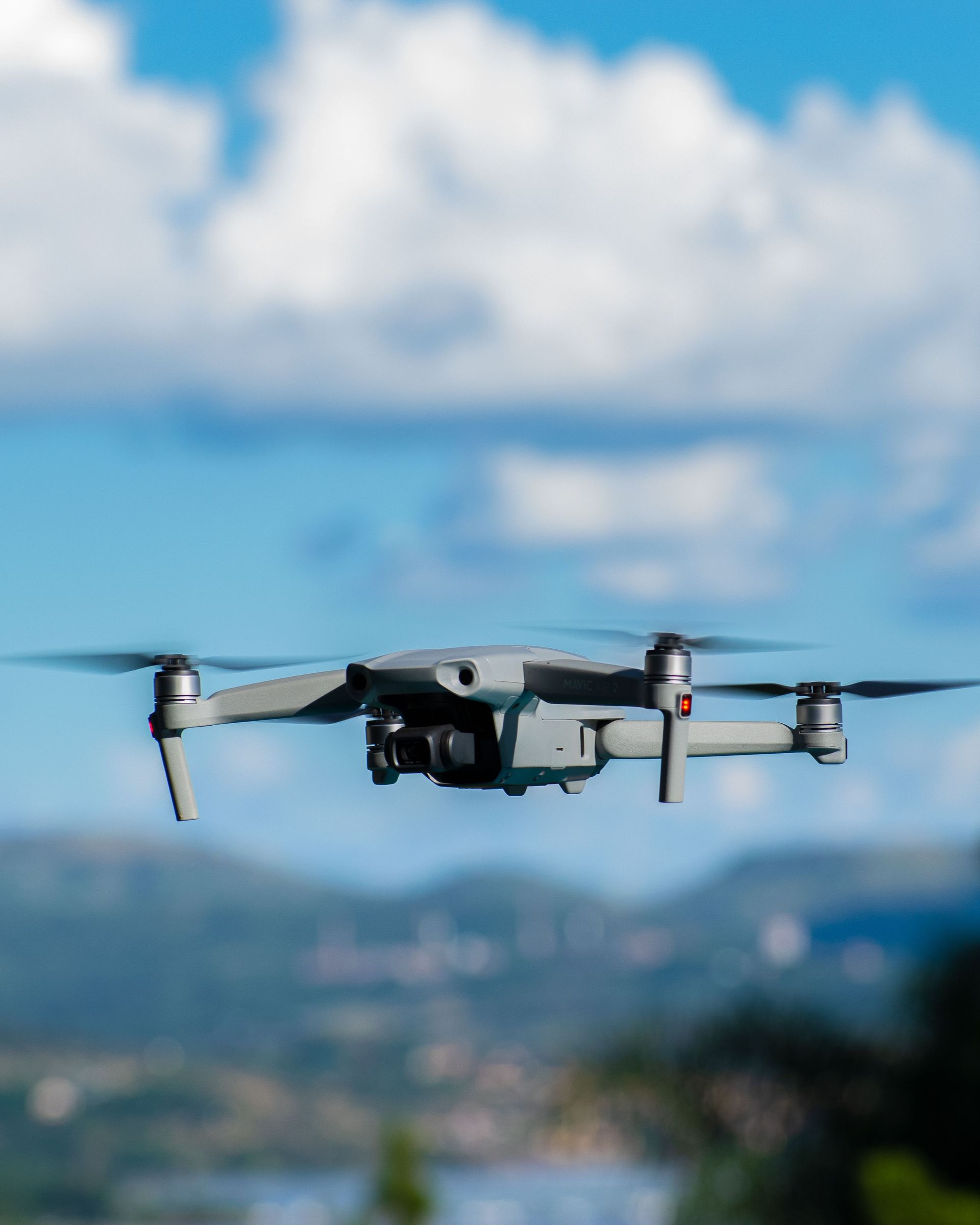
A drone flying over a power plant, airport or water facility does not have to cause any physical damage to disrupt its operations. It may be enough for it to appear in the wrong place at the wrong time, while the critical entity has no idea what it is doing there. This is precisely why attention in Europe is shifting from technologies designed to neutralise drones to something less visible: the ability of critical entities to detect an incident in time, assess it correctly and manage it without unnecessary losses.
Dron nad elektrárňou, letiskom alebo vodárenským objektom nemusí nič poškodiť, aby narušil jeho fungovanie. Stačí, že sa objaví v nesprávnom čase na nesprávnom mieste a kritický subjekt nevie, čo tam robí. Práve preto sa pozornosť v Európe presúva od samotných technológií na zneškodnenie dronov k niečomu menej viditeľnému: k schopnosti kritických subjektov incident včas zachytiť, správne vyhodnotiť a zvládnuť bez zbytočných strát.

A series of expert articles by the Critical Infrastructure Association of the Slovak Republic on essential services under Annex No. 1 to Act No. 367/2024 Coll. on Critical Infrastructure
Séria odborných článkov Asociácie kritickej infraštruktúry Slovenskej republiky o základných službách podľa prílohy č. 1 zákona č. 367/2024 Z. z. o kritickej infraštruktúre

The incident at the primary school in Staškov brings back a topic that deserves continuous attention, not just attention in the aftermath of an incident. The protection of soft targets should form part of a systematic security policy, with clearly defined measures, responsibilities and preparedness for various types of threats.
Udalosť v základnej škole v Staškove pripomína tému, ktorá si zaslúži pozornosť priebežne, nie až po incidente. Ochrana mäkkých cieľov by mala byť súčasťou systematickej bezpečnostnej politiky, s jasne nastavenými opatreniami, zodpovednosťami a pripravenosťou na rôzne typy hrozieb.

We are continuing the series of expert articles by the Critical Infrastructure Association of the Slovak Republic, in which we gradually introduce the individual essential services listed in Annex No. 1 to Act No. 367/2024 Coll. on Critical Infrastructure. Having covered the operation of pipelines for the transport of crude oil and motor fuels, today we move one step upstream to a service that stands at the very beginning of the entire oil chain: crude oil extraction.
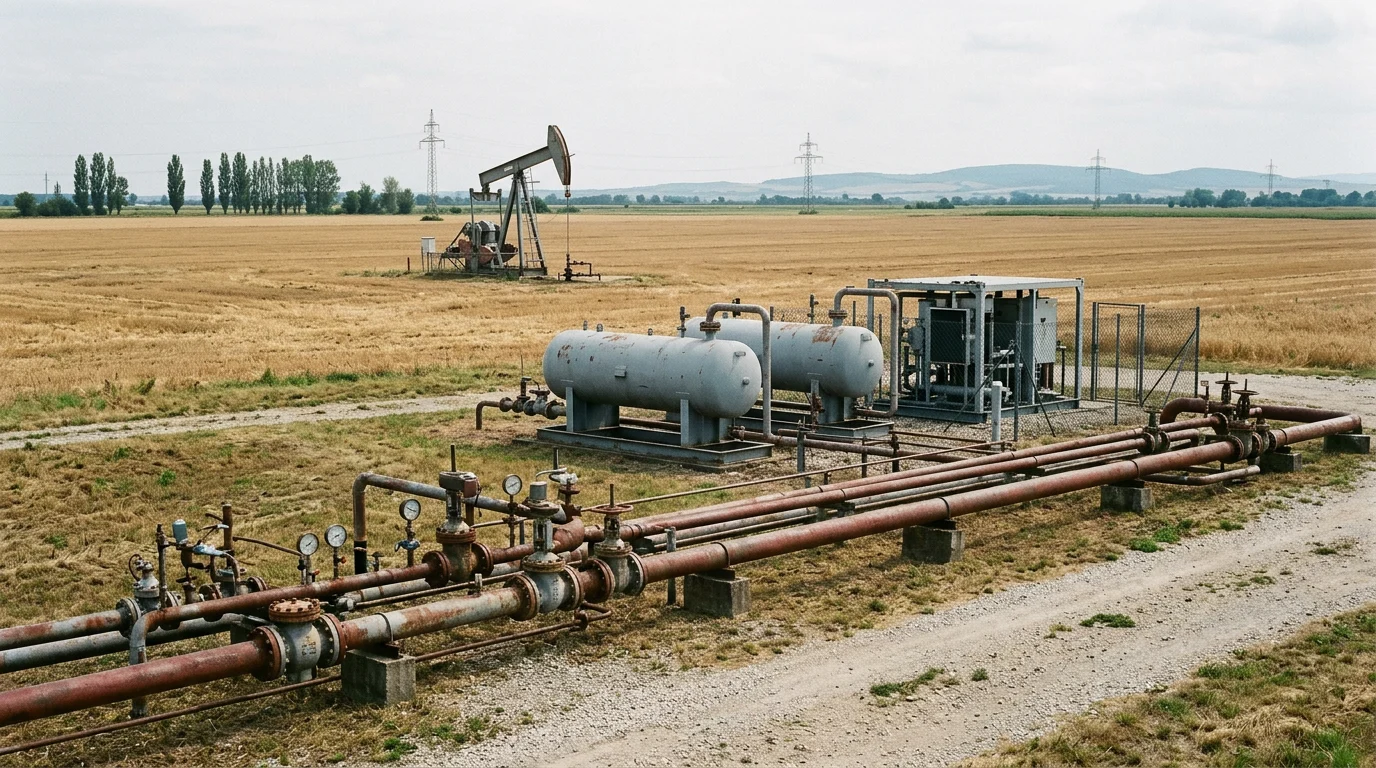
Pokračujeme v sérii odborných článkov Asociácie kritickej infraštruktúry Slovenskej republiky, v ktorej postupne predstavujeme jednotlivé základné služby uvedené v prílohe č. 1 zákona č. 367/2024 Z. z. o kritickej infraštruktúre. Po tom, ako sme sa venovali prevádzkovaniu potrubí na prepravu ropy a pohonných látok, sa dnes posúvame o krok proti prúdu k službe, ktorá stojí úplne na začiatku celého ropného reťazca: ťažbe ropy.

On 16 September 2026, a test carried out in Norway demonstrated a new dimension of satellite navigation security. Europe’s Galileo system was tested under so-called spoofing conditions — a situation in which a receiver is fed a fake signal and may therefore receive incorrect information about its position.
16. septembra 2026 sa v Nórsku uskutočnil test, ktorý ukázal nový rozmer bezpečnosti satelitnej navigácie. Európsky systém Galileo bol testovaný v podmienkach tzv. Spoofingu, teda situácie, pri ktorej je prijímaču podstrčený falošný signál a ten môže dostať nesprávnu informáciu o svojej polohe.