The General Assembly of the Critical Infrastructure Association of the Slovak Republic set the further direction of its activities

11. apríla 2025

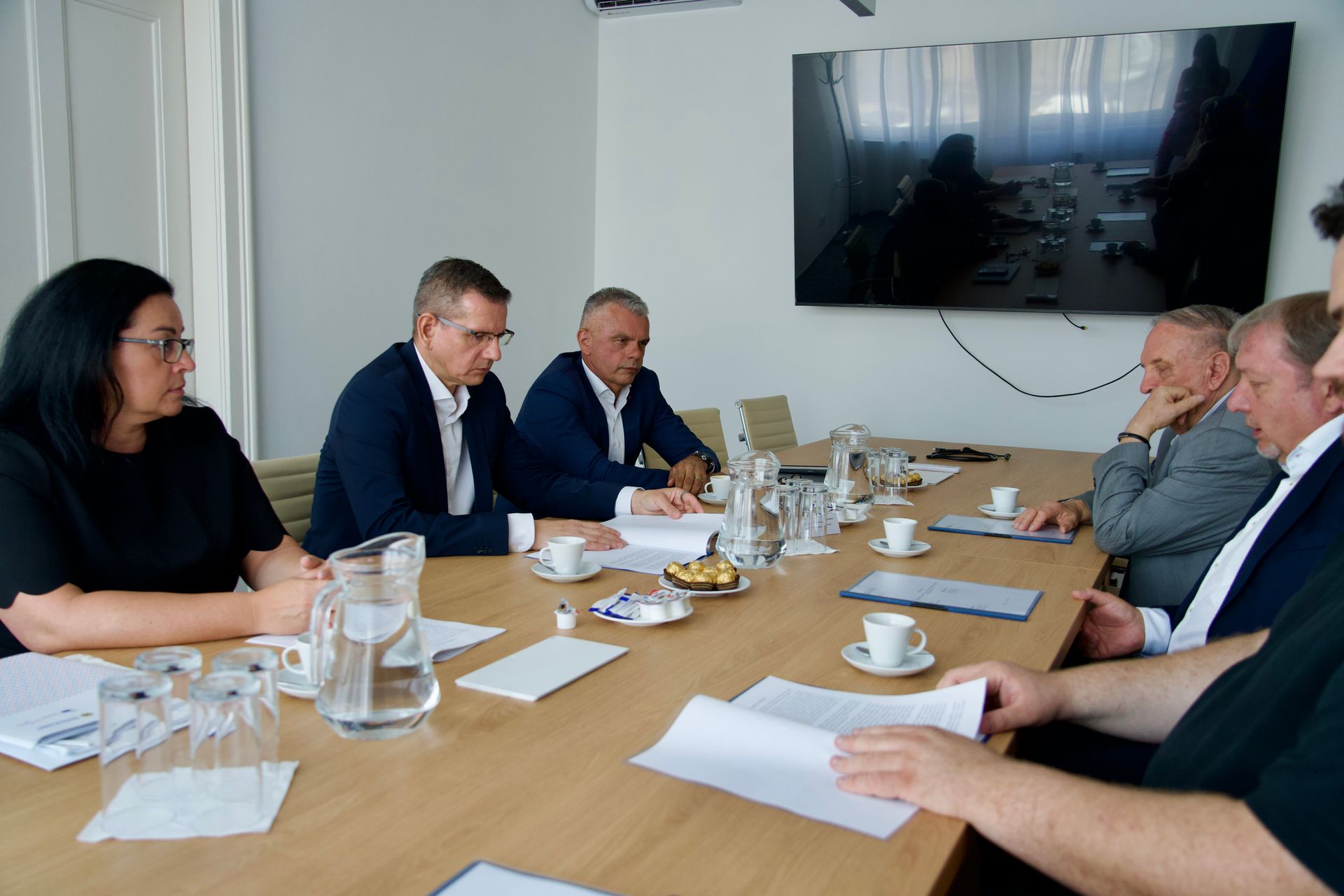
Yesterday, April 10, 2025, the General Assembly of the Critical Infrastructure Association of the Slovak Republic took place in Bratislava, attended by key experts and representatives of companies active in the field of critical infrastructure protection. The main agenda items included the election of association bodies, acceptance of new members, and discussion on the further strategic direction of the association's activities.

Tibor Straka, an expert with many years of experience in security and defense, has been serving as the president of the association since its establishment. His vision for strengthening cooperation between the public and private sectors in the area of critical infrastructure protection received broad support from the members present.


Michal Boďo, Executive Director of FREQUENTIS Solutions & Services, and Lukáš Parízek, Chairman of the Council of Slovak Exporters and former State Secretary of the Ministry of Foreign and European Affairs of the Slovak Republic, were elected to the Presidium. Both bring valuable experience in technological security and international relations to the leadership.


Matej Michalko from Decent Cybersecurity, who has long been involved in cybersecurity, post-quantum cryptography, and blockchain technology innovations, became the Chairman of the Supervisory Board. Adrián Belánik from FREQUENTIS Solutions & Services and Vladimír Zeman from Panterra Advisory were elected as members of the Supervisory Board.


The General Assembly was conducted in a constructive spirit, with delegates discussing future activities and priorities of the association. Key topics included increasing the resilience of critical infrastructure against security threats, sharing best practices, and strengthening cooperation between member entities.


The Critical Infrastructure Association of the Slovak Republic aims to be an active partner for state institutions and the business sector in building a secure and resilient society. The new leadership expressed determination to continue developing professional discussions and promoting the interests of members at both national and international levels.

14. septembra 2026
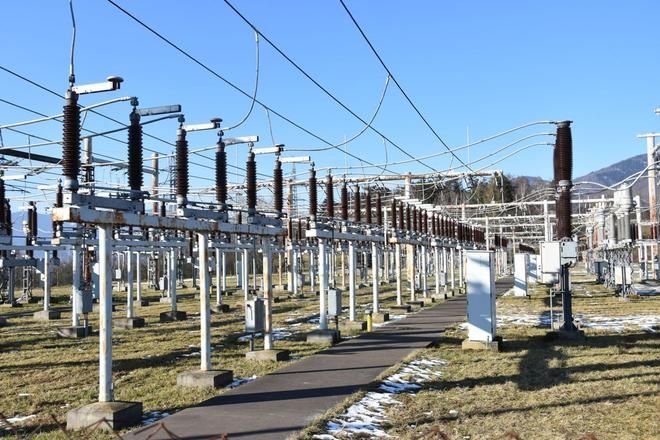
The Critical Infrastructure Association of the Slovak Republic continues its series of articles focusing on basic services under Act No. 367/2024 Coll. on Critical Infrastructure. This time, we look at a basic service that remains largely invisible to the public, yet its disruption can have an immediate impact on transport, industry and the wider economy – the operation of pipelines for the transportation of crude oil and fuels.
14. septembra 2026
Asociácia kritickej infraštruktúry SR pokračuje v sérii článkov venovaných základným službám podľa zákona č. 367/2024 Z. z. o kritickej infraštruktúre. Tentoraz sa venujeme základnej službe, ktorá zostáva pre verejnosť väčšinou neviditeľná, no jej výpadok môže mať veľmi rýchly vplyv na dopravu, priemysel aj fungovanie ekonomiky: prevádzkovaniu potrubí na prepravu ropy a pohonných látok.
8. septembra 2026
Several incidents in the space of a single week. And in one case, 4.2 GW of generation capacity was temporarily taken offline. Germany is dealing with a series of attacks on its electricity grid that highlights one important point: the target does not necessarily have to be the power plant itself.
8. septembra 2026
Niekoľko incidentov v priebehu jediného týždňa. A v jednom prípade dočasne vyradená výrobná kapacita 4,2 GW. Nemecko rieši sériu útokov na elektrickú sieť, ktorá ukazuje dôležitú vec: terčom nemusí byť samotná elektráreň.
5. septembra 2026
District heating and cooling are an important part of the energy infrastructure of cities and municipalities. Their role is not limited to providing thermal comfort; they create stable conditions for the functioning of households, public institutions, industry and other facilities. As energy systems become increasingly technologically complex, the importance of their reliability, preparedness and ability to respond to operational disruptions is also growing.
5. septembra 2026
Diaľkové vykurovanie a chladenie predstavujú významnú súčasť energetickej infraštruktúry miest a obcí. Ich úlohou nie je len zabezpečiť tepelný komfort, ale vytvárať stabilné podmienky pre fungovanie domácností, verejných inštitúcií, priemyslu a ďalších prevádzok. S rastúcou technologickou komplexnosťou energetických systémov zároveň rastie aj význam ich spoľahlivosti, pripravenosti a schopnosti reagovať na narušenie prevádzky.
2. septembra 2026
On Monday, 31 August 2026, a working meeting took place at the Ministry of Interior of the Slovak Republic with State Secretary of the Ministry of Interior Patrik Krauspe, Director General of the Crisis Management Section Jaroslav Kmeť, Naďa Trelová Sonogová from the Department of International Cooperation of the Ministry of Interior, and representatives of the Critical Infrastructure Association of the Slovak Republic (AKI SR).
2. septembra 2026
Na Ministerstve vnútra Slovenskej republiky sa v pondelok 31. augusta 2026 uskutočnilo pracovné rokovanie štátneho tajomníka MV SR Patrika Krauspeho, generálneho riaditeľa sekcie krízového riadenia MV SR Jaroslava Kmeťa, Nade Trelovej Sonogovej z odboru medzinárodnej spolupráce MV SR a predstaviteľov Asociácie kritickej infraštruktúry Slovenskej republiky (AKI SR).
28. augusta 2026
The Government of the Slovak Republic has approved a draft act on the cybersecurity of products with digital elements, also referred to as the cyber resilience act. This is a further step in the legislative process; the bill will subsequently be debated in the National Council of the Slovak Republic.
28. augusta 2026
Vláda Slovenskej republiky schválila návrh zákona o kybernetickej bezpečnosti produktov s digitálnymi prvkami, označovaný aj ako zákon o kybernetickej odolnosti. Ide o ďalší krok v legislatívnom procese, návrh zákona bude následne predmetom prerokovania v Národnej rade Slovenskej republiky.