Critical Infrastructure in the Spotlight: AKI Meeting with the Administration of State Material Reserves of the Slovak Republic

12. septembra 2025

On Wednesday, September 10, 2025, an important meeting took place between the Critical Infrastructure Association of the Slovak Republic and another central state administration body in the critical infrastructure sector, namely the Administration of State Material Reserves of the Slovak Republic (SŠHR). 

We welcomed the opportunity to negotiate directly with the Chairman of SŠHR, Mr. Slavomír Šoffa, and to open a discussion on the topic of increasing critical infrastructure resilience and mutual cooperation in this area.

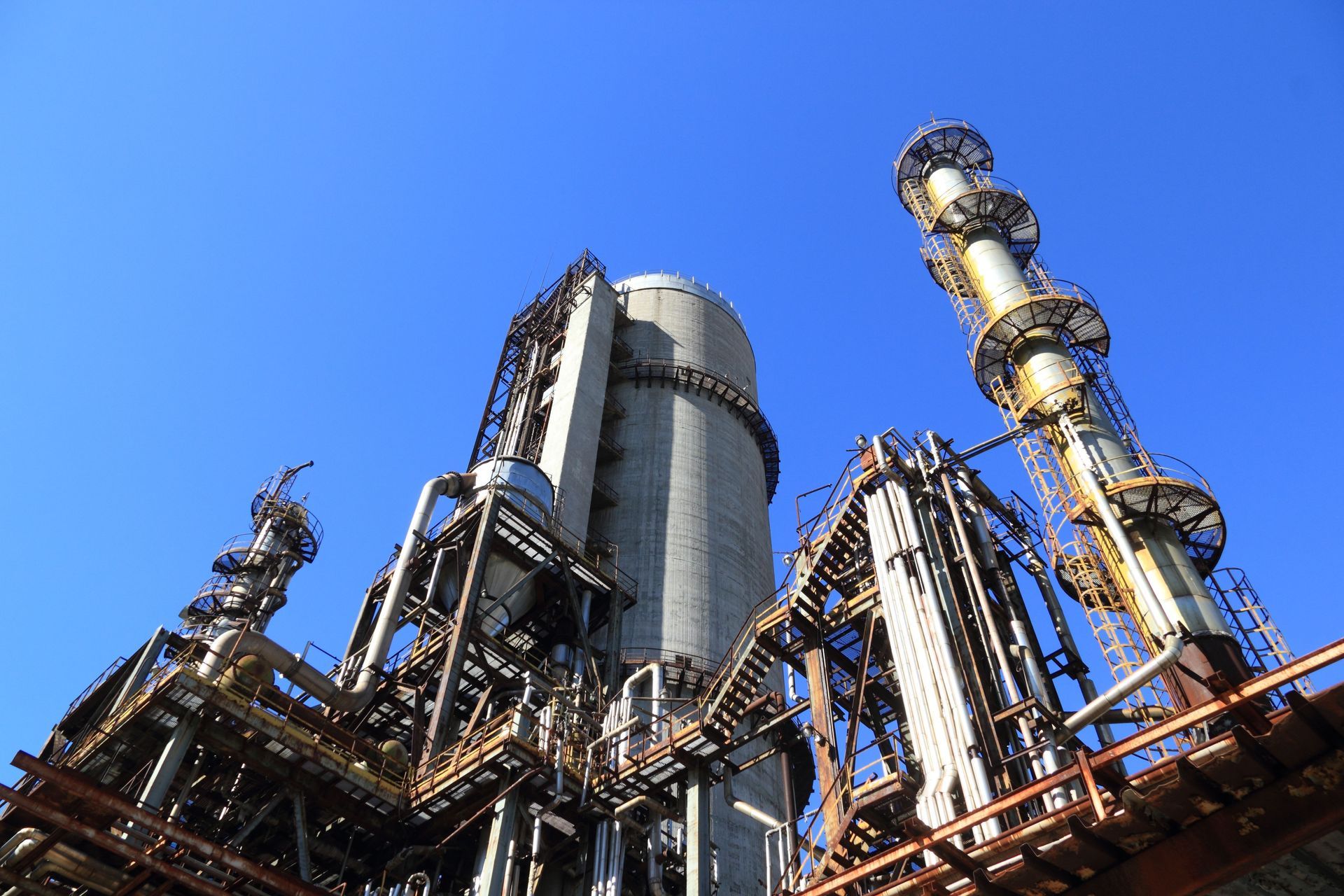
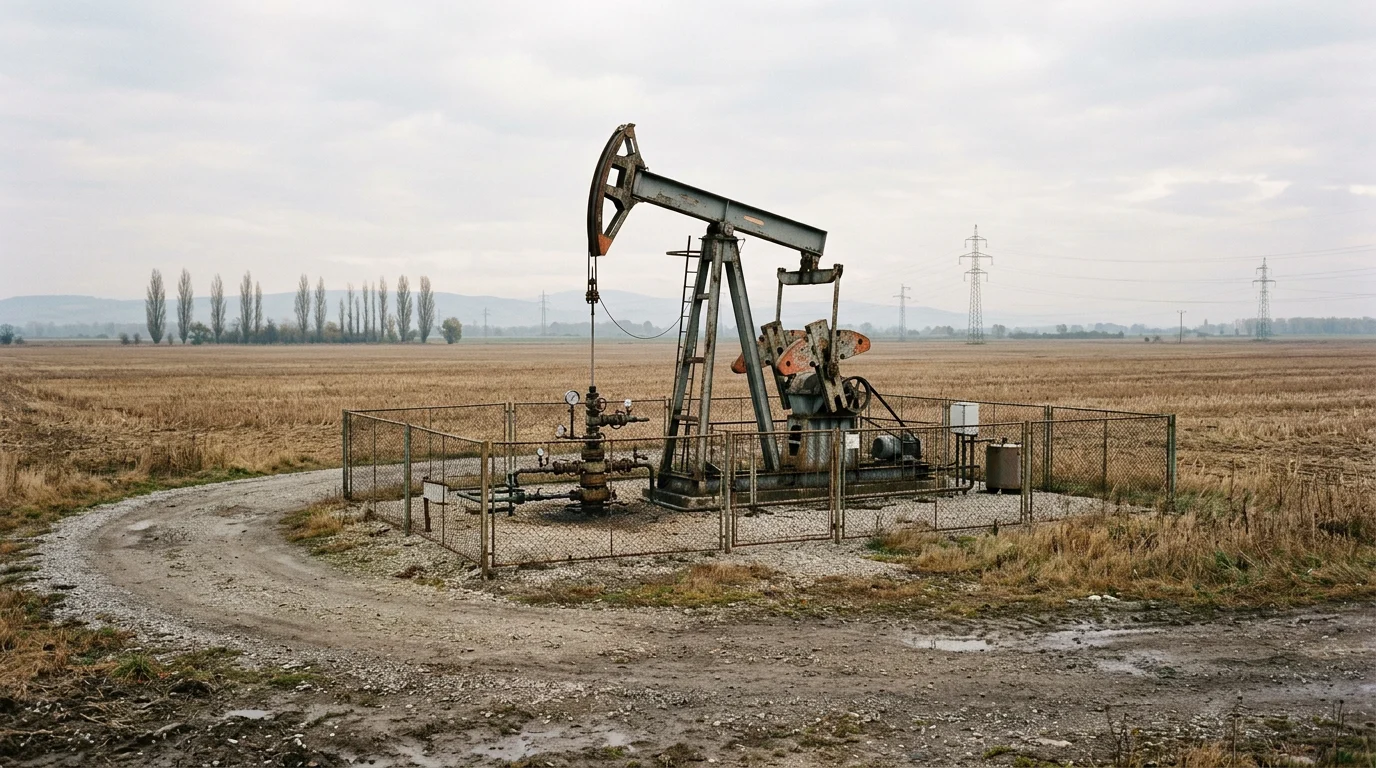
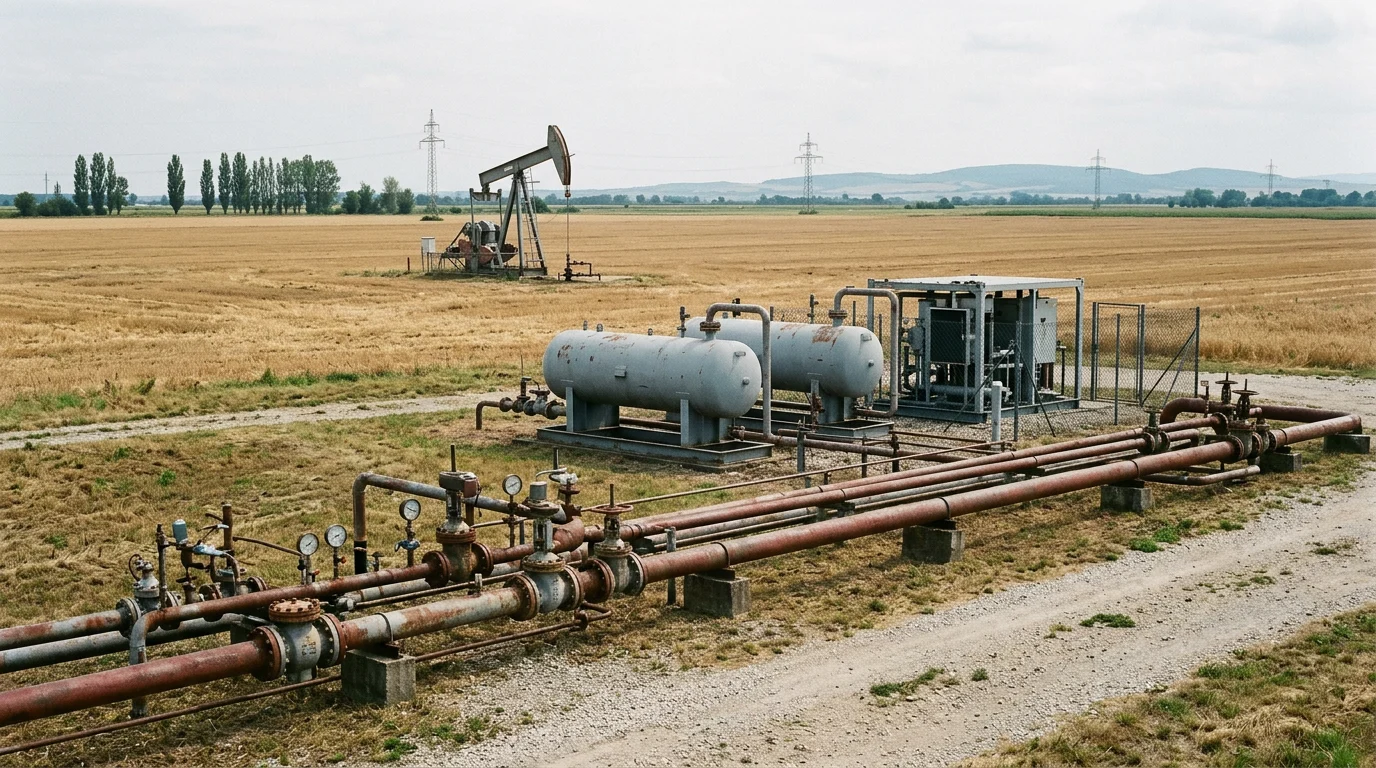
The Administration of State Material Reserves of the Slovak Republic is, according to Act No. 367/2024 Coll. on critical infrastructure and on amendments to certain laws as amended by later regulations, the central state administration body for the Energy sector, Oil and petroleum products subsector, and for ensuring the basic service of emergency oil and petroleum product reserves management, which is crucial for the smooth functioning of vital economic activities in the Slovak Republic.

The discussion took place in an atmosphere of mutual understanding and interest in cooperation. AKI President Tibor Straka presented to the SŠHR Chairman and his team AKI's scope of activity in the area of consultations with critical entities, in the area of threat, hazard and vulnerability analyses, and in the area of audits of the existing state of basic service provision and ensuring the resilience of critical entities, as well as the development of implementation projects for implementing measures to ensure the provision of basic services and resilience of critical entities. He emphasized the importance of systematic cooperation between the public and private sectors in the critical infrastructure sector with the aim of creating a broad platform for professional discussion and solving challenges related to increasing critical infrastructure resilience and ensuring basic services.

Special attention was also paid to cybersecurity issues. AKI Supervisory Board Chairman Matej Michalko and AKI Vice President Michal Boďo pointed out specific cyber incidents and economic damages that affected entities must face. Both sides agreed on the necessity of active prevention of cyber attacks, which brings with it higher financial costs. AKI President Tibor Straka stated that AKI is negotiating an appropriate model for financing critical entity resilience, emphasizing that the burden of costs should not be solely on critical entities, but that the state should also help finance critical infrastructure resilience, for example through European funds, and support negotiations with banks on preparing advantageous loans for critical entities. 

SŠHR Chairman Slavomír Šoffa welcomed the proposal to establish cooperation between SŠHR and AKI, which will help contribute to creating a solid foundation for long-term, systematic and effective solutions in the critical infrastructure area. Launching negotiations with SŠHR represents another significant step for AKI in supporting critical entities across all strategic critical infrastructure sectors.

8. apríla 2026
A large-scale power outage is no longer a hypothetical scenario. Recent months have brought a series of incidents showing that the stability of Europe's electricity systems is exposed to a combination of threats on a scale we have not previously encountered. The discussion of blackouts is therefore shifting from technical circles into the broader strategic framework of critical infrastructure protection.
8. apríla 2026
Rozsiahly výpadok elektriny prestáva byť hypotetickým scenárom. Posledné mesiace priniesli sériu incidentov, ktoré ukazujú, že stabilita elektrizačných sústav v Európe je vystavená kombinácii hrozieb, akú sme v takomto rozsahu doteraz nepoznali. Diskusia o blackoute sa tak presúva z technických kruhov do širšieho strategického rámca ochrany kritickej infraštruktúry.
3. apríla 2026
Artificial intelligence is changing the rules of the game in critical infrastructure protection. It is no longer merely an aid in defence — it is also becoming a weapon in the hands of attackers. The question is no longer whether AI will enter the critical infrastructure environment, but how quickly we can prepare for this change.
3. apríla 2026
Umelá inteligencia mení pravidlá hry v ochrane kritickej infraštruktúry. Už nie je len pomocníkom pri obrane, stáva sa aj zbraňou v rukách útočníkov. Otázka už neznie, či sa AI dostane do prostredia kritickej infraštruktúry, ale ako rýchlo sa na túto zmenu dokážeme pripraviť. 
2. apríla 2026
Oblasť kritickej infraštruktúry v Slovenskej republike upravuje zákon č. 367/2024 Z. z. o kritickej infraštruktúre a o zmene a doplnení noektorých zákonov, ktorý definuje jednotlivé sektory, podsektory a základné služby nevyhnutné pre fungovanie štátu. 
2. apríla 2026
The area of critical infrastructure in the Slovak Republic is regulated by Act No. 367/2024 Coll. on Critical Infrastructure and on Amendments and Supplements to Certain Acts, which defines individual sectors, subsectors, and essential services necessary for the functioning of the state.
30. marca 2026
The Critical Infrastructure Association of the Slovak Republic has entered into negotiations on international cooperation with the Republic of India in the field of critical infrastructure protection and the development of post-quantum cryptography. This step reflects the growing importance of technological security and the need to prepare for the advent of quantum technologies, which will fundamentally impact current cryptographic standards. In this context, a significant meeting took place at the Embassy of the Republic of India in Slovakia, attended by H.E. Apoorva Srivastava, Ambassador of the Republic of India to the Slovak Republic, Rastislav Chovanec, State Secretary of the Ministry of Foreign and European Affairs of the Slovak Republic, and Tibor Straka, President of The Critical Infrastructure Association of the Slovak Republic. The delegation also included the Chairman of its Supervisory Board and a representative of member company Decent Cybersecurity s. r. o., Matej Michalko. The discussion focused primarily on opportunities for the development of bilateral cooperation in the areas of critical infrastructure, cybersecurity, and the implementation of post-quantum cryptographic solutions. India is among the countries that systematically invest in the development of cryptography and quantum technologies. This is evidenced by its strategic initiative, the National Quantum Mission, which aims to build a comprehensive national quantum technology ecosystem. It is precisely in this area that The Critical Infrastructure Association of the Slovak Republic sees significant potential for cooperation and the involvement of Slovak technology entities. One such entity is Decent Cybersecurity s. r. o., a company with a long-standing focus on research and implementation of solutions for critical infrastructure, defence systems, and telecommunications networks. The company specialises primarily in the practical implementation of new cryptographic algorithms into modern hardware and software architectures, which makes it well-suited for participation in international post-quantum security projects. From the perspective of the Slovak Republic, cooperation with India represents a significant opportunity for the development of technological diplomacy and the strengthening of strategic partnerships. As one of the fastest-growing digital economies in the world, India plans extensive investments in quantum research and technological infrastructure. The involvement of Slovak companies in these initiatives could substantially support the export of innovative solutions and strengthen technological ties between the two countries. The aim of this initiative is to establish a stable technological partnership between Slovak and Indian institutions, overseen by The Critical Infrastructure Association of the Slovak Republic. An important role is also played by the diplomatic support of the Ministry of Foreign and European Affairs of the Slovak Republic, which can significantly facilitate the establishment of contacts with relevant partners in India. This initiative also fits within the broader context of strengthening technological relations between the European Union and India. Slovakia's active involvement in this process could contribute to reinforcing its position within the European technology ecosystem and increasing its international competitiveness. At the meeting, both sides expressed a clear interest in developing mutual cooperation and identified significant potential for future joint projects. The partners agreed that the combination of expert capacities, technological innovation, and diplomatic support creates a solid foundation for a long-term strategic partnership that can deliver tangible results in the areas of security, innovative development, and economic cooperation. Both sides will continue their expert-level communication, aimed at building a stable platform for a long-term and functional partnership between India and Slovakia in the fields of critical infrastructure and post-quantum cryptography.
30. marca 2026
Asociácia kritickej infraštruktúry Slovenskej republiky vstúpila do rokovaní o medzinárodnej spolupráci s Indickou republikou v oblasti ochrany kritickej infraštruktúry a rozvoja postkvantovej kryptografie. Tento krok reflektuje rastúci význam technologickej bezpečnosti a potrebu pripraviť sa na nástup kvantových technológií, ktoré zásadne ovplyvnia súčasné kryptografické štandardy. V tejto súvislosti sa na pôde Veľvyslanectva Indickej republiky na Slovensku uskutočnilo významné stretnutie za účasti J.E. Apoorva Srivastava, veľvyslankyne Indickej republiky v Slovenskej republike, štátneho tajomníka Ministerstva zahraničných vecí a európskych záležitostí Slovenskej republiky Rastislava Chovanca a prezidenta Asociácie kritickej infraštruktúry Slovenskej republiky Tibora Straku . Súčasťou delegácie AKI SR bol aj predseda jej dozornej rady a zástupca členskej spoločnosti Decent Cybersecurity s. r. o. Matej Michalko. Diskusia sa zamerala najmä na možnosti rozvoja bilaterálnej spolupráce v oblasti kritickej infraštruktúry, kybernetickej bezpečnosti a implementácie postkvantových kryptografických riešení. India patrí medzi krajiny, ktoré systematicky investujú do rozvoja kryptografie a kvantových technológií. Dôkazom je aj jej strategická iniciatíva National Quantum Mission, ktorej cieľom je vybudovať komplexný národný ekosystém kvantových technológií. Práve v tejto oblasti vidí AKI SR významný priestor pre spoluprácu a zapojenie slovenských technologických subjektov. Jedným z nich je spoločnosť Decent Cybersecurity s. r. o. , ktorá sa dlhodobo venuje výskumu a implementácii riešení pre kritickú infraštruktúru, obranné systémy a telekomunikačné siete. Spoločnosť sa špecializuje najmä na praktickú implementáciu nových kryptografických algoritmov do moderných hardvérových a softvérových architektúr, čo ju predurčuje na zapojenie do medzinárodných projektov v oblasti postkvantovej bezpečnosti. Z pohľadu Slovenskej republiky predstavuje spolupráca s Indiou významnú príležitosť pre rozvoj technologickej diplomacie a posilnenie strategických partnerstiev. India ako jedna z najrýchlejšie rastúcich digitálnych ekonomík sveta plánuje rozsiahle investície do kvantového výskumu a technologickej infraštruktúry. Zapojenie slovenských spoločností do týchto iniciatív by mohlo výrazne podporiť export inovatívnych riešení a posilniť technologické väzby medzi oboma krajinami. Cieľom iniciatívy je vytvorenie stabilného technologického partnerstva medzi slovenskými a indickými inštitúciami, ktoré bude zastrešovať Asociácia kritickej infraštruktúry Slovenskej republiky. Dôležitú úlohu pritom zohráva aj diplomatická podpora Ministerstva zahraničných vecí a európskych záležitostí SR, ktorá môže výrazne napomôcť pri nadväzovaní kontaktov s relevantnými partnermi v Indii. Táto iniciatíva zároveň zapadá do širšieho kontextu posilňovania technologických vzťahov medzi Európskou úniou a Indiou. Aktívne zapojenie Slovenska do tohto procesu by mohlo prispieť k posilneniu jeho pozície v rámci európskeho technologického ekosystému a zvýšiť jeho medzinárodnú konkurencieschopnosť. Na stretnutí obe strany vyjadrili jasný záujem o rozvoj vzájomnej spolupráce a identifikovali významný potenciál pre budúce spoločné projekty. Partneri sa zhodli, že prepojenie odborných kapacít, technologických inovácií a diplomatickej podpory vytvára pevný základ pre dlhodobé strategické partnerstvo, ktoré môže priniesť konkrétne výsledky v oblasti bezpečnosti, inovatívneho rozvoja a ekonomickej spolupráce. Obe strany budú pokračovať v odbornej komunikácii, smerujúcej k vybudovaniu stabilnej platformy pre dlhodobé a funkčné partnerstvo Indie a Slovenska v oblasti kritickej infraštruktúry a postkvantovej kryptografie.
25. marca 2026
For most people, GPS (Global Positioning System) is synonymous with car or smartphone navigation. It helps us find our way, avoid traffic jams, and discover new places. However, very few realise that the Global Positioning System provides precise time and location data upon which the functioning of modern society depends.
25. marca 2026
Pre väčšinu ľudí je GPS (Global Positioning System) synonymom navigácie v aute alebo v mobile. Pomáha nám nájsť cestu, vyhnúť sa zápcham či objaviť nové miesta. Len málokto si však uvedomuje, že globálny satelitný systém určovania polohy (GPS) poskytuje údaje o presnom čase a presnej polohe, na ktorých stojí fungovanie modernej spoločnosti.