


New White Paper on European Defence: A Plan to Strengthen Europe’s Security and Resilience
20. marca 2025
The European Commission, together with the High Representative for Foreign Affairs and Security Policy, has presented the White Paper for European Defence – Readiness 2030.
This strategic document introduces a new approach to defence, identifies critical investment needs, and creates new financial instruments to enhance European defence capabilities.
As part of this initiative, the ReArm Europe plan responds to evolving security threats and emphasizes the need for increased defence investments and technological innovations in this sector.
Key Objectives of the White Paper The White Paper for European Defence outlines six main priorities that will shape the future of Europe’s security:
Financial Instruments for Defence Support As part of the ReArm Europe initiative, the newly introduced Security Action for Europe (SAFE) instrument will enable investments in defence capabilities worth up to €150 billion. These funds will be available to member states based on national defence plans and aim to accelerate the modernization of Europe’s defence industrial base.
At the same time, the European Investment Bank (EIB) will expand its scope to include financing for defence projects, creating opportunities for mobilizing private capital and innovative investments in the defence sector.
Impact on Slovakia and Critical Infrastructure For Slovakia and its critical infrastructure, these measures provide an opportunity to enhance the protection of strategic sectors, modernize security mechanisms, and integrate more deeply into European defence structures.
New tools and funding can help improve cybersecurity, protect energy networks, and strengthen military infrastructure, increasing the country’s overall resilience to external threats.
Conclusion The White Paper for European Defence – Readiness 2030 represents a significant step towards strengthening Europe’s security autonomy. With growing geopolitical threats, it is crucial for EU member states to increase their investments in defence and technological development.
For Slovakia, it is essential to seize the new opportunities presented by this initiative and actively participate in joint projects in the field of defence and security.
Read more at: https://ec.europa.eu/commission/presscorner/detail/en/ip_25_793
As part of this initiative, the ReArm Europe plan responds to evolving security threats and emphasizes the need for increased defence investments and technological innovations in this sector.
Key Objectives of the White Paper The White Paper for European Defence outlines six main priorities that will shape the future of Europe’s security:
- Closing critical gaps in defence capabilities – focusing on essential technologies and infrastructure needed for the security of EU member states.
- Supporting the European defence industry – creating coordinated demand and promoting joint procurement.
- Deepening cooperation with Ukraine – expanding military assistance and strengthening the link between the European and Ukrainian defence industries.
- Simplifying defence-related regulations – reducing administrative barriers and strengthening the internal market for defence equipment.
- Investing in defence innovation – developing new technologies, such as artificial intelligence and quantum computing.
- Improving military mobility and protecting external borders – enhancing readiness for potential crisis scenarios.
Financial Instruments for Defence Support As part of the ReArm Europe initiative, the newly introduced Security Action for Europe (SAFE) instrument will enable investments in defence capabilities worth up to €150 billion. These funds will be available to member states based on national defence plans and aim to accelerate the modernization of Europe’s defence industrial base.
At the same time, the European Investment Bank (EIB) will expand its scope to include financing for defence projects, creating opportunities for mobilizing private capital and innovative investments in the defence sector.
Impact on Slovakia and Critical Infrastructure For Slovakia and its critical infrastructure, these measures provide an opportunity to enhance the protection of strategic sectors, modernize security mechanisms, and integrate more deeply into European defence structures.
New tools and funding can help improve cybersecurity, protect energy networks, and strengthen military infrastructure, increasing the country’s overall resilience to external threats.
Conclusion The White Paper for European Defence – Readiness 2030 represents a significant step towards strengthening Europe’s security autonomy. With growing geopolitical threats, it is crucial for EU member states to increase their investments in defence and technological development.
For Slovakia, it is essential to seize the new opportunities presented by this initiative and actively participate in joint projects in the field of defence and security.
Read more at: https://ec.europa.eu/commission/presscorner/detail/en/ip_25_793

Information about a possible entry of the Slovak and Czech governments into the ownership of the Tesco retail chain raises a broader question than simply the future of one retail company. According to information published by Marker on 7 October, both governments are considering acquiring Tesco’s operations in the Czech Republic and Slovakia. According to the newspaper’s sources, the Slovak part could be worth approximately €400 million. However, no transaction has been decided. The Slovak Antimonopoly Office has also pointed out that these are media reports and that, at the time of its latest statement, it had not been notified of any concentration related to Tesco.
Informácia o možnom vstupe slovenskej a českej vlády do vlastníctva siete Tesco otvára širšiu otázku, než je samotná budúcnosť jedného obchodného reťazca. Podľa informácií, ktoré 7. októbra priniesol Marker, obe vlády uvažujú o kúpe Tesca v Česku a na Slovensku. Podľa zdrojov denníka má slovenská časť predstavovať približne 400 miliónov eur. Zároveň však nejde o rozhodnutú transakciu. Aj Protimonopolný úrad SR upozornil, že ide o medializované informácie a v čase jeho posledného vyjadrenia mu nebola oznámená žiadna koncentrácia súvisiaca s Tescom.
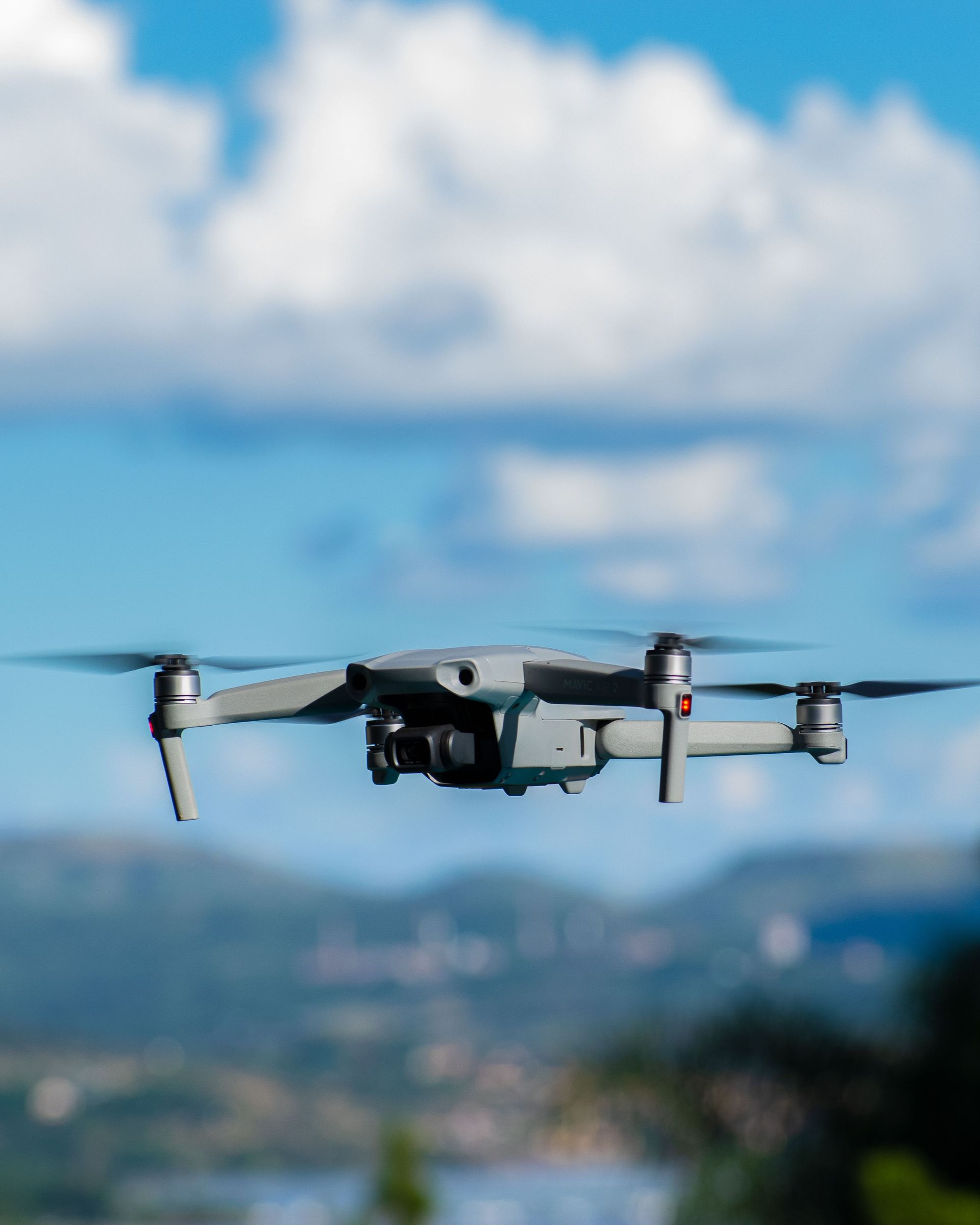
A drone flying over a power plant, airport or water facility does not have to cause any physical damage to disrupt its operations. It may be enough for it to appear in the wrong place at the wrong time, while the critical entity has no idea what it is doing there. This is precisely why attention in Europe is shifting from technologies designed to neutralise drones to something less visible: the ability of critical entities to detect an incident in time, assess it correctly and manage it without unnecessary losses.
Dron nad elektrárňou, letiskom alebo vodárenským objektom nemusí nič poškodiť, aby narušil jeho fungovanie. Stačí, že sa objaví v nesprávnom čase na nesprávnom mieste a kritický subjekt nevie, čo tam robí. Práve preto sa pozornosť v Európe presúva od samotných technológií na zneškodnenie dronov k niečomu menej viditeľnému: k schopnosti kritických subjektov incident včas zachytiť, správne vyhodnotiť a zvládnuť bez zbytočných strát.
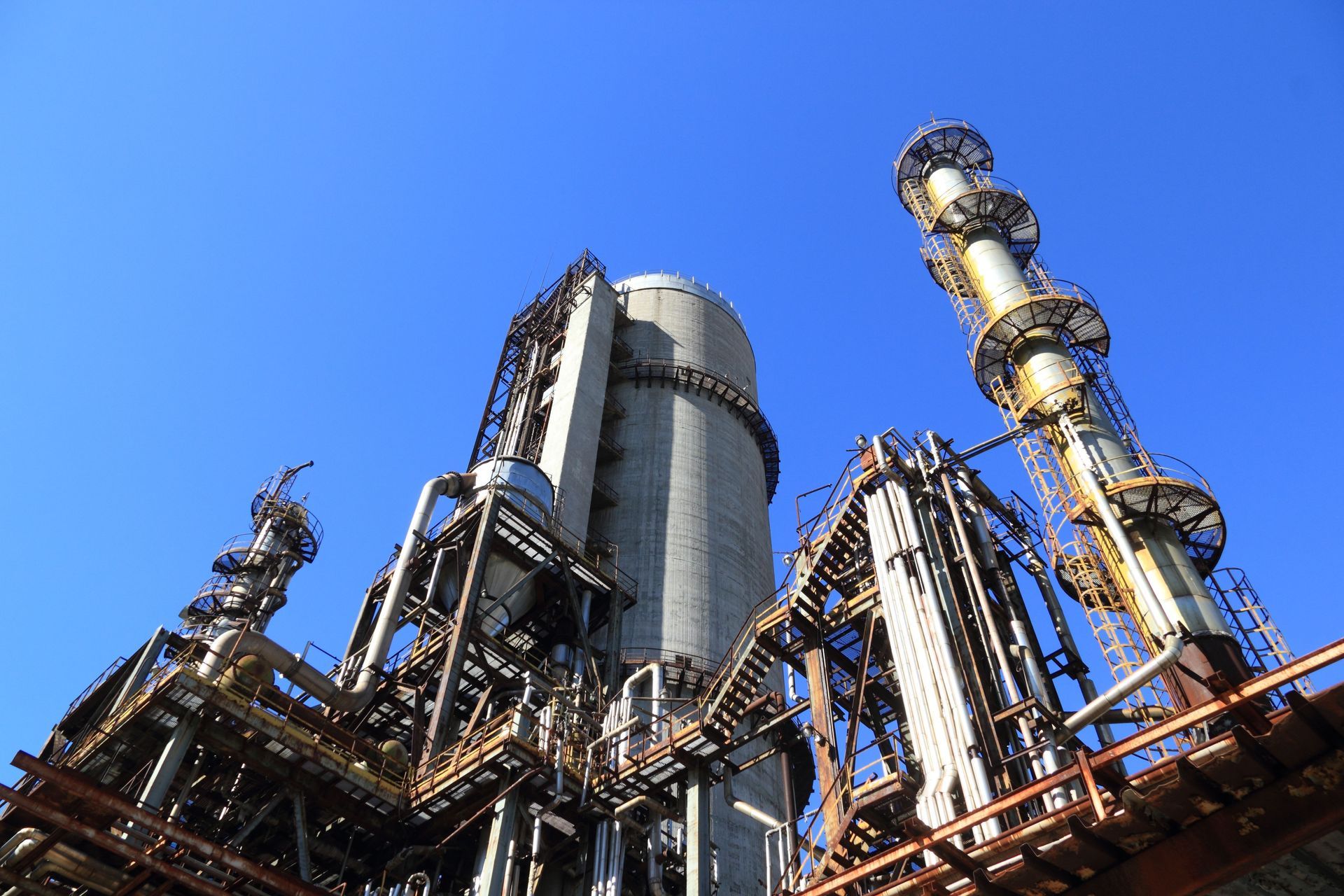
A series of expert articles by the Critical Infrastructure Association of the Slovak Republic on essential services under Annex No. 1 to Act No. 367/2024 Coll. on Critical Infrastructure
Séria odborných článkov Asociácie kritickej infraštruktúry Slovenskej republiky o základných službách podľa prílohy č. 1 zákona č. 367/2024 Z. z. o kritickej infraštruktúre

The incident at the primary school in Staškov brings back a topic that deserves continuous attention, not just attention in the aftermath of an incident. The protection of soft targets should form part of a systematic security policy, with clearly defined measures, responsibilities and preparedness for various types of threats.
Udalosť v základnej škole v Staškove pripomína tému, ktorá si zaslúži pozornosť priebežne, nie až po incidente. Ochrana mäkkých cieľov by mala byť súčasťou systematickej bezpečnostnej politiky, s jasne nastavenými opatreniami, zodpovednosťami a pripravenosťou na rôzne typy hrozieb.

We are continuing the series of expert articles by the Critical Infrastructure Association of the Slovak Republic, in which we gradually introduce the individual essential services listed in Annex No. 1 to Act No. 367/2024 Coll. on Critical Infrastructure. Having covered the operation of pipelines for the transport of crude oil and motor fuels, today we move one step upstream to a service that stands at the very beginning of the entire oil chain: crude oil extraction.
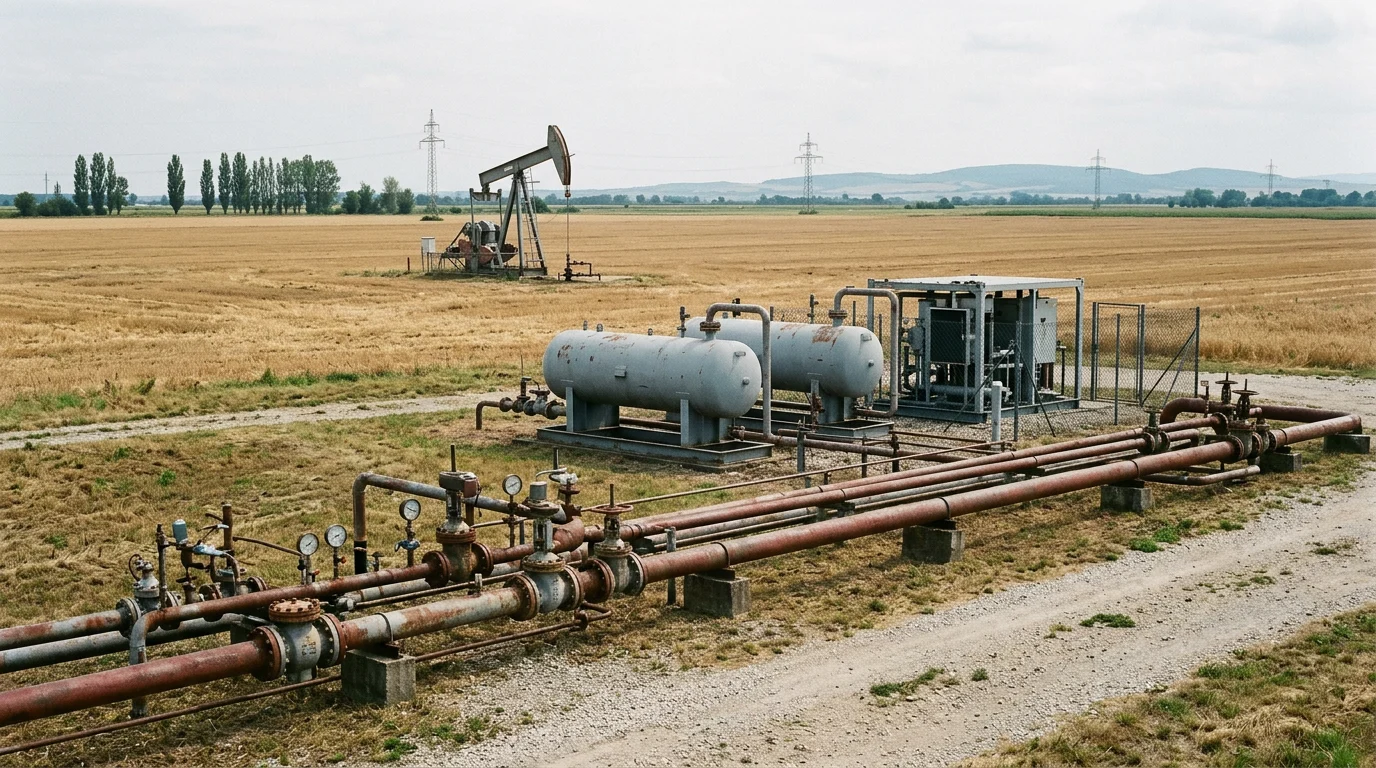
Pokračujeme v sérii odborných článkov Asociácie kritickej infraštruktúry Slovenskej republiky, v ktorej postupne predstavujeme jednotlivé základné služby uvedené v prílohe č. 1 zákona č. 367/2024 Z. z. o kritickej infraštruktúre. Po tom, ako sme sa venovali prevádzkovaniu potrubí na prepravu ropy a pohonných látok, sa dnes posúvame o krok proti prúdu k službe, ktorá stojí úplne na začiatku celého ropného reťazca: ťažbe ropy.