Information from the meeting of the AKI SR presidium – strengthening activities and new memberships

2. júla 2025

On June 26, 2025, another working meeting of the presidium of the Critical Infrastructure Association of the Slovak Republic (AKI SR) took place at the premises of the Council of Slovak Exporters, which was also attended by the chairman of the supervisory board of AKI SR.
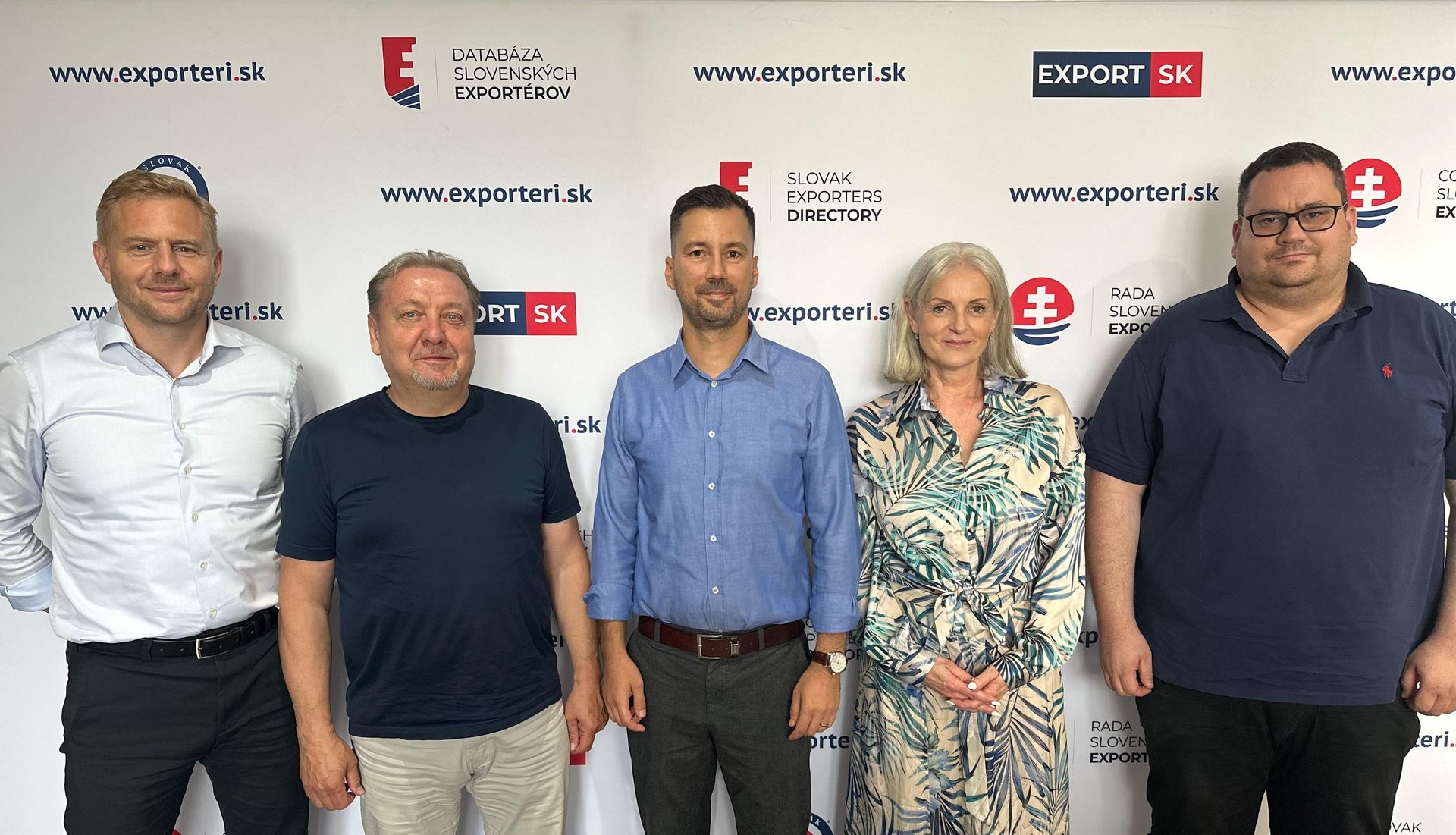
The main goal of the meeting was to evaluate the association's activities to date and plan further steps in the area of professional dialogue and cooperation with key actors in the field of critical infrastructure.

Meeting participants focused on evaluating the meetings that took place, particularly the meeting with the state secretary and other representatives of the Ministry of Interior of the SR, with the director of the National Security Authority and with statutory representatives of those interested in membership in AKI SR. AKI SR President Tibor Straka informed about his participation in the SOPK press conference, within which he provided the professional public with information about AKI SR.

The discussion also focused on other planned meetings and initiatives aimed at building professional relationships with representatives of state administration, sectors and private entities with competence in the field of critical infrastructure. Emphasis was placed on building an expert framework and creating spaces for purposeful and coordinated cooperation across sectors.

The presidium also approved the admission of five new associate members, who will expand the spectrum of expertise and sectoral coverage within the association.

AKI SR thus continues to strengthen its position as a bridge between the professional community, state and public administration and the private sector, with the aim of jointly contributing to increasing the resilience of the critical infrastructure of the Slovak Republic.
21. augusta 2026
The upcoming heating season is a reminder that security of energy supply is not merely a question of the market. The Echo24 portal has drawn attention to an analysis by Oxford Economics, according to which this may be the European Union's most demanding winter in terms of energy supply since the crisis period of 2021–2022. The reasons cited are a combination of slower filling of storage facilities, geopolitical risks, supply outages, drought affecting electricity generation, and higher demand for gas in the power sector. 
21. augusta 2026
Nadchádzajúca vykurovacia sezóna pripomína, že bezpečnosť dodávok energie nie je len otázkou trhu. Portál Echo24 upozornil na analýzu Oxford Economics, podľa ktorej môže byť pre Európsku úniu najnáročnejšou zimou z hľadiska dodávok energie od krízového obdobia rokov 2021 – 2022. Dôvodom má byť kombinácia pomalšieho plnenia zásobníkov, geopolitických rizík, výpadkov dodávok, sucha ovplyvňujúceho výrobu elektriny a vyššieho dopytu po plyne v energetike.
17. augusta 2026
We continue our series dedicated to essential services under Act No. 367/2024 Coll. on critical infrastructure. This time we focus on a service whose importance is growing alongside the transformation of the energy sector – electricity storage.
17. augusta 2026
Pokračujeme v našej sérii venovanej základným službám podľa zákona č. 367/2024 Z. z. o kritickej infraštruktúre. Tentoraz sa zameriavame na službu, ktorej význam rastie spolu s transformáciou energetiky – uskladňovanie elektriny.
12. augusta 2026
Commentary by the Critical Infrastructure Association of the Slovak Republic  Europe is experiencing another wave of extreme heat, which is shifting from an exceptional phenomenon into a new standard. Record temperatures, prolonged drought, and the overheating or decline of watercourses can no longer be viewed solely as an environmental problem. They are increasingly affecting the functioning of the state and threatening the continuity of its basic services.
12. augusta 2026
Komentár Asociácie kritickej infraštruktúry Slovenskej republiky  Európa zažíva ďalšiu vlnu extrémnych horúčav, ktoré sa z výnimočného javu menia na nový štandard. Rekordné teploty, dlhotrvajúce sucho a prehrievanie či pokles vodných tokov už nemožno vnímať výlučne ako enviromentálny problém. Čoraz výraznejšie zasahujú do fungovania štátu a ohrozujú kontinuitu jeho základných služieb.
7. augusta 2026
Series: Essential Services of Critical Infrastructure For decades, the electricity system was built on the principle of a few large power plants supplying millions of consumers. Today, however, the energy sector is changing faster than ever before. Thousands of photovoltaic power plants, wind sources, battery storage systems, heat pumps, smart buildings, and charging stations for electric vehicles are entering the grid. Electricity no longer flows in only one direction – from producer to consumer. The modern electricity system is becoming a dynamic ecosystem in which both producers and consumers are active market participants.
7. augusta 2026
Seriál: Základné služby kritickej infraštruktúry Elektrizačná sústava bola desaťročia budovaná na princípe niekoľkých veľkých elektrární zásobujúcich milióny odberateľov. Dnes sa však energetika mení rýchlejšie ako kedykoľvek predtým. Do siete vstupujú tisíce fotovoltických elektrární, veterných zdrojov, batériových úložísk, tepelných čerpadiel, inteligentných budov či nabíjacích staníc pre elektromobily. Elektrina už neprúdi iba jedným smerom – od výrobcu ku spotrebiteľovi. Moderná elektrizačná sústava sa stáva dynamickým ekosystémom, v ktorom sú výrobcovia aj odberatelia zároveň aktívnymi účastníkmi trhu.
3. augusta 2026
Industry is one of the sectors where the importance of critical infrastructure becomes very tangible. Not in abstract definitions, but in the state’s ability to maintain the availability of medicines, the continuity of metallurgical production, supplies of key chemical substances, functioning supply chains, and technological self-sufficiency at times when standard market mechanisms may not be enough. 
3. augusta 2026
Priemysel patrí medzi sektory, pri ktorých sa význam kritickej infraštruktúry ukazuje veľmi konkrétne. Nie v abstraktných definíciách, ale v schopnosti štátu udržať dostupnosť liekov, kontinuitu hutníckej výroby, dodávky kľúčových chemických látok, funkčné dodávateľské reťazce a technologickú sebestačnosť v časoch, keď štandardné trhové mechanizmy nemusia stačiť.