We Talk a Lot About Technology in Critical Infrastructure. We Talk Too Little About People.
A commentary by the President of the Critical Infrastructure Association of the Slovak Republic
The future of critical infrastructure will depend not only on modern technologies, but above all on the people who will be able to design, manage, and protect them. If we do not begin to invest systematically in experts today, the shortage of qualified professionals could become one of the greatest strategic risks to Slovakia's security and resilience.
Over my years working in the field of security, I have learned one important thing. The greatest risks usually do not arrive suddenly. They do not emerge overnight. They form gradually, almost imperceptibly, until one day they become a problem that can no longer be ignored.
Today there is much talk about geopolitical tension, cyberattacks, artificial intelligence, and digitalization. Rightly so. These are topics that will fundamentally shape the functioning of the state and of society as a whole in the coming years. Yet I have the feeling that, amid all the debates about technology, we are overlooking a question that may be even more important for Slovakia's future.
Who will design, operate, protect, and develop these technologies ten years from now?
It is precisely this question to which we still do not have a convincing answer.
Not all strategic risks come from outside. Some we create ourselves. Quietly. Gradually. Without big headlines. One of them is the shortage of experts who today ensure the functioning of energy, transport, healthcare, digital networks, water management, and other critical infrastructure sectors. This is not the problem of a single industry. It is a challenge for society as a whole.
European analyses warn that already within this decade the energy transformation will require more than a million new workers. At the same time, the number of unfilled technical positions is rising, and a significant portion of today's experts are gradually approaching retirement age. Slovakia is no exception either. Many companies already openly say that the shortage of qualified workers ranks among their greatest barriers to development.
I do not see these figures as mere statistics. I see them as a strategic warning. For many years we invested primarily in technology. Today we must invest with equal intensity in people as well.
Demand for experts is growing in critical infrastructure
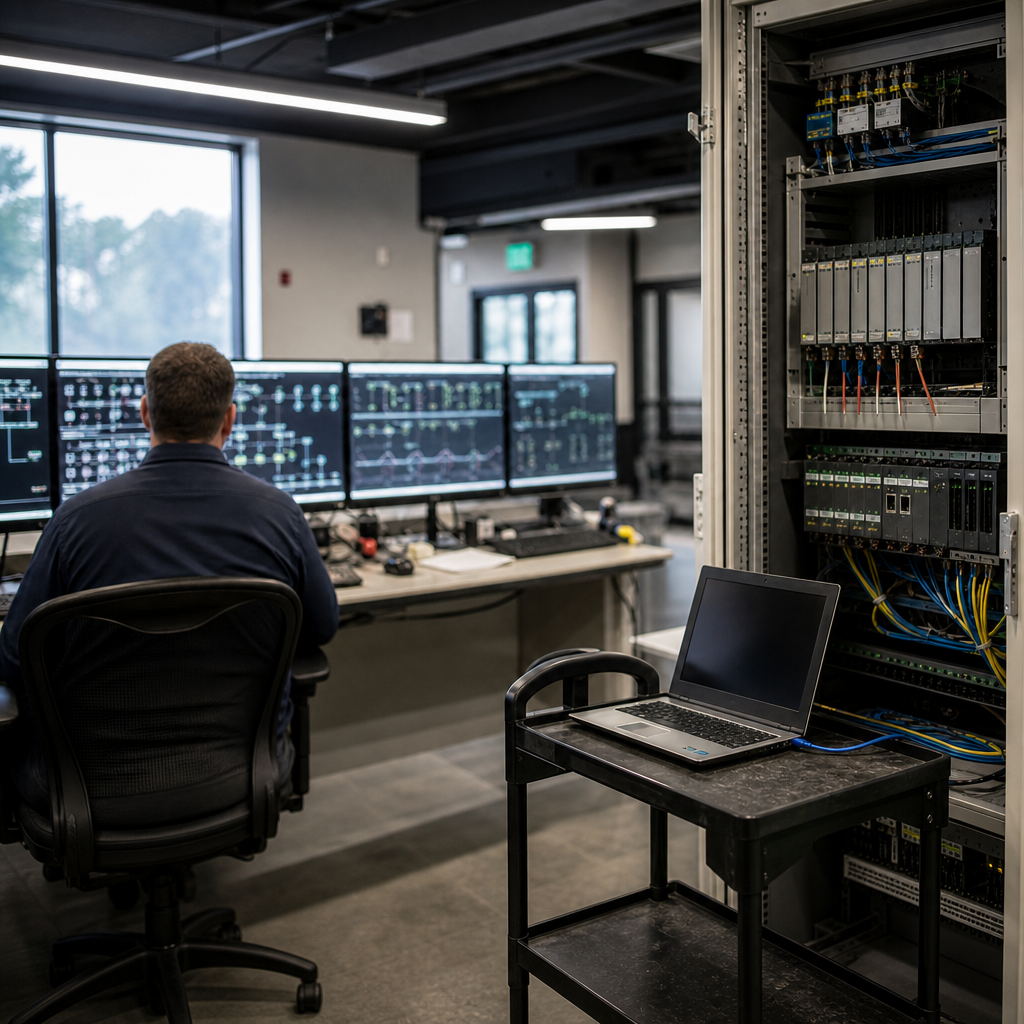
Let us imagine a modern energy company. It invests millions of euros in smart distribution networks, automated control systems, the digitalization of operations, and advanced tools for monitoring infrastructure.
This is the right direction. Yet every new technology also increases the demands on the people who will design, operate, service, and protect it. Without a sufficient number of qualified experts, even the most modern infrastructure will remain nothing more than an expensive investment with untapped potential.
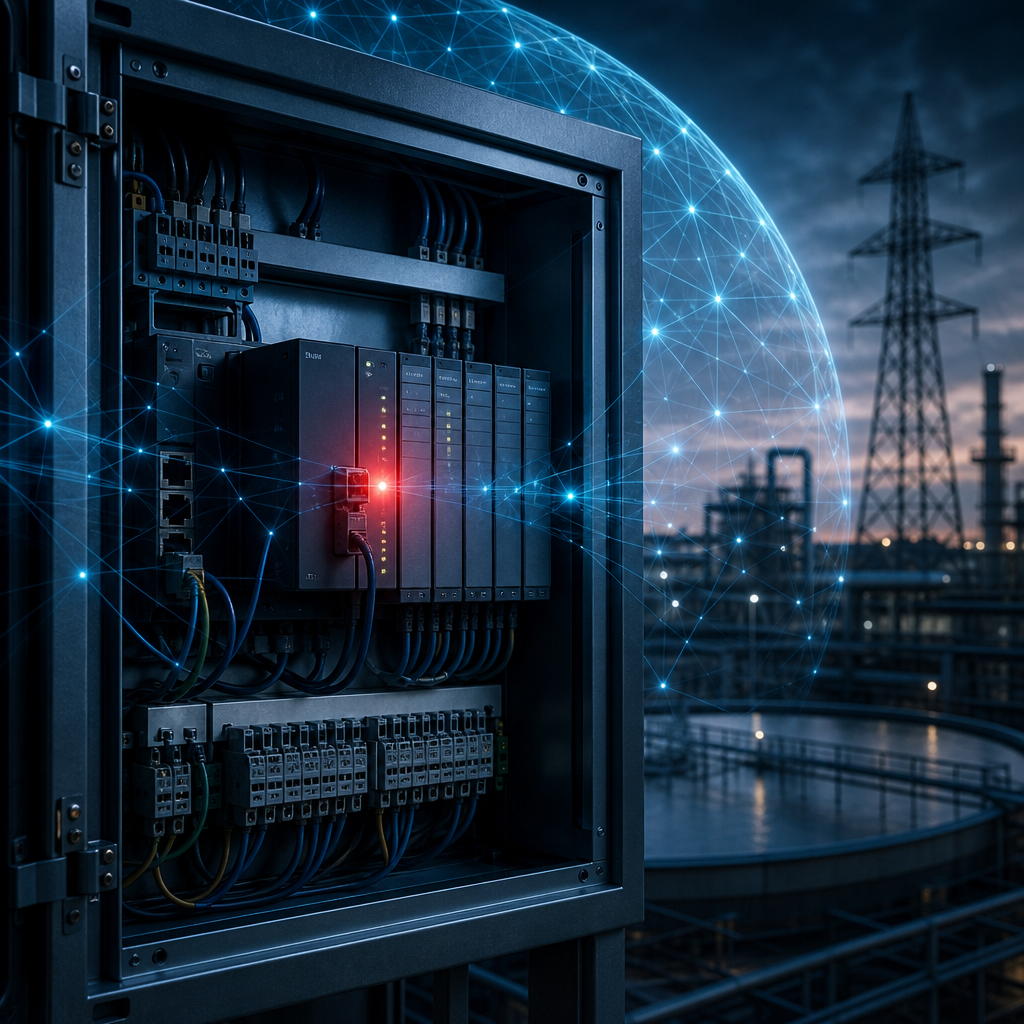
We see a similar development in cybersecurity as well. Organizations invest in top-tier security solutions, yet they increasingly struggle with the fact that there is no one to manage them effectively. There is a lack of analysts, security architects, experts in industrial control systems, and specialists who can connect technology with risk management.
This is not a problem of the future. It is the reality of the present.
The intelligence of the future will not only be artificial
I often hear the question of whether artificial intelligence will replace experts. I believe there is no point in pretending that artificial intelligence will not replace people. It will. But not everyone, not in everything, and not always to an equal degree.
In many professions it will take over routine activities, speed up decision-making processes, and some jobs will gradually change or disappear entirely. This also applies to the field of critical infrastructure, where more and more analytical, monitoring, and administrative tasks will be performed automatically. But this does not mean that we will stop needing experts. On the contrary. The more powerful technologies become, the higher the demands will be on the people who will be able to configure them correctly, understand their limits, evaluate their outputs, and, at the decisive moment, take responsibility for the final decision.
Even the best algorithm does not bear responsibility for a decision. That will always be borne by a human being. This is precisely why the profile of an expert in critical infrastructure is also changing. It will no longer be enough to understand one technology or one sector. It will be necessary to connect technical knowledge with security thinking, to navigate legislation, to understand geopolitical contexts, and, of course, to know how to use artificial intelligence effectively in everyday work. The ability to connect knowledge will become one of the most valuable competencies of the coming years.
Resilience also has a human dimension
The resilience of critical infrastructure is not created by purchasing technology. Nor is it created by adopting new legislation. It is created only when we have people who understand their work, who can cooperate across sectors, and who are prepared to make the right decisions even in the most demanding situations. That is why I consider it extremely important to create space for connecting experts from the public sector, private companies, academia, and research organizations. The exchange of experience, joint education, and the sharing of good practice are among the basic prerequisites for greater resilience of the state.
The Critical Infrastructure Association of the Slovak Republic is also striving to create such an environment. Our goal is not merely to draw attention to new risks. We want to connect people who can bring solutions, support expert discussion, and create space for cooperation between the state, academia, and the private sector. I am convinced that cooperation will be one of the decisive factors in our future resilience.
The time to act is now
Critical infrastructure is often perceived as a technical matter. I am convinced that it is, above all, a matter of people. Technologies will be more powerful. Artificial intelligence will be more intelligent. Legislation will bring new requirements. All of this is a natural development. But the question is not what technologies we will have ten years from now. The question is whether we will have people who understand them.
Slovakia has many capable experts. But we need to create the conditions for them to develop their knowledge at home, to have space for lifelong learning, and for young people to once again see technical professions as a promising and socially exceptionally important career.
If we do not begin today to invest systematically in experts, education, and the connecting of experience, in a few years we may find that our greatest limitation will not be technology, but the lack of human potential. Because the resilience of critical infrastructure does not begin in the server room, in the control center, or with the most modern software. It begins with how we are able to use these technologies and how we are able to make decisions about them.
Technologies will become ever more intelligent. But responsibility will remain with the human being.
__________
Tibor Straka is the President of the Critical Infrastructure Association of the Slovak Republic. He has long focused on issues of security, the resilience of critical infrastructure, and strategic risk management. In his regular commentaries he offers a perspective on the current challenges affecting the security of the state and the functioning of critical services.